RC Car Racing in the USA

Photo: @chrispeter2000 via Unsplash
In this article
Affiliate disclosure: As an Amazon Associate, RemoteControlCarsBlog may earn from qualifying purchases.
RC Car Racing in the USA (2026): Schedule, Registration, Gear & Tips
RC racing is real racing — just smaller. You race tiny cars at real tracks. It’s fast, fun, and friendly. This guide shows you how to find races, sign up, get the right gear, and start strong.
Let’s keep this simple. RC car racing is a real sport. People race radio-controlled cars at real tracks. They go fast. They compete for podiums. And almost anyone can join. You just need a car, a bit of gear, and a local track. A good RC racing car See options on Amazon #ad is the place to start.
This guide is for beginners. The sentences are short. The steps are clear. You will learn who runs the races. You will learn the car classes. You will learn how to find the schedule and sign up. And you will learn the gear and tips to race well. Let’s hit the track. 🏁
📋 What’s Inside
🏁 What Is RC Car Racing?
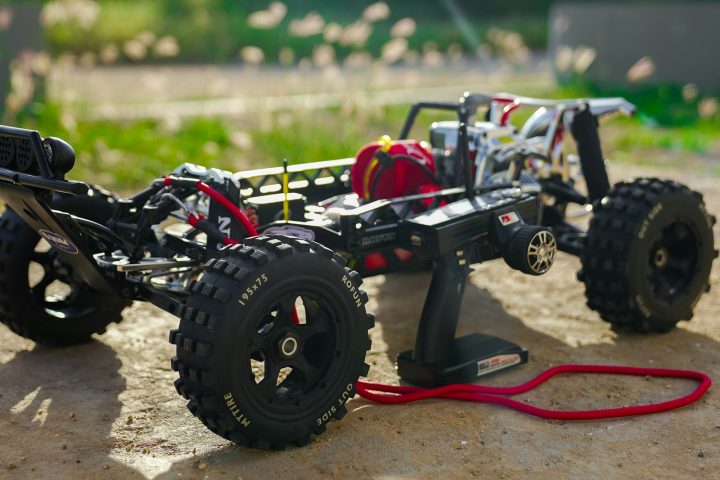
RC car racing is racing with small cars. You hold a radio controller. The car follows your every move. You race other people on a marked track.
It works a lot like real motorsport. There are practice runs. There are qualifying rounds. Then there are the main races, called “mains.” A chip on your car tracks your laps. The fastest, cleanest driver wins.
Races happen all over the USA. Some are tiny club nights at a hobby shop. Some are huge national events with hundreds of racers. There are indoor tracks and outdoor tracks. There is dirt, carpet, and asphalt.
Best of all, it is friendly. Racers help each other. Beginners are welcome. It is a community as much as a sport.
You don’t need to be fast on day one. You just need to show up and try. Every pro started at a local club night. 🏁
🏛️ Who Runs RC Racing in the USA?
A few groups keep the sport organized. Knowing them helps you find races.
ROAR is the main one. It stands for Remotely Operated Auto Racers. It is the national body for RC car racing in the USA. ROAR sets the rules. It sanctions official races. And it runs the U.S. National Championships, called “the Nationals.”
IFMAR is the world body. ROAR is the U.S. link to it. IFMAR runs the World Championships. So the best U.S. racers can go on to race the world.
Local clubs and tracks run the weekly action. This is where you start. Your local hobby shop or track hosts club race nights. You don’t need to be a pro to join. You just sign up and race.
🚗 The Car Classes
RC racing has many “classes.” A class is a group of similar cars. You race against cars like yours. This keeps it fair.
Classes are split by size, type, and power. Size is the scale, like 1/10 or 1/8. Type is the style, like buggy or touring car. Power is electric or nitro (a tiny fuel engine). Here are the common ones.
Classes also split by speed. “Stock” classes use slower, set motors. They are great for beginners. “Mod” (modified) classes are faster and for pros. Start in a stock class. It is cheaper and easier to learn.
🛣️ On-Road vs. Off-Road: Which to Try?
RC racing splits into two big worlds. On-road and off-road. Both are fun. They just feel different. Here is the simple difference.
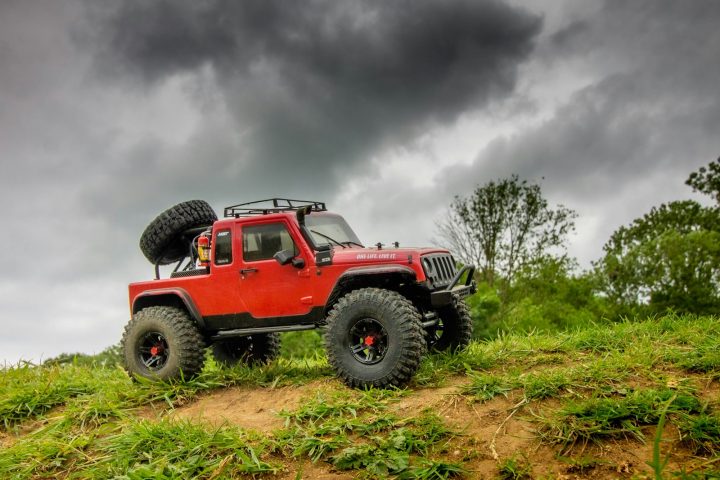
Off-road racing is on dirt, clay, or bumpy tracks. Cars jump and slide. Buggies, trucks, and short-course trucks rule here. It is forgiving for beginners. Crashes are softer. And off-road tracks are common across the USA. Many people start here.
On-road racing is on carpet or smooth asphalt. Cars are low and very fast. Touring cars and 1/12 cars race here. The driving is precise. The grip is high. It rewards smooth, exact control. It is a thrill, but a little less forgiving.
Which should you pick? Go with what your local track offers. The closest track wins. If both are nearby, try off-road first. It is usually the easier, friendlier start. You can always try on-road later.
📅 How to Find Races & the Schedule
Race dates change every year. So don’t trust an old list. Use live sources. Here is where to look.
- LiveRC.com. This is the big hub. It shows live timing, results, and event info from tracks across the USA. It is the best place to see what is racing now.
- The ROAR website. It lists sanctioned events and the Nationals. Check it for big regional and national races and their dates.
- Your local track or hobby shop. This is the most useful for beginners. Most tracks post a weekly race-night schedule online and on social media.
- RCSignup and track sign-up pages. Many events use online sign-up sites. You can see the schedule and enter there.
RC racing runs all year. Indoor tracks race through winter. Outdoor tracks race in the warmer months. Big events happen across the seasons. So there is almost always a race somewhere.
📝 How to Register
Signing up is simple. Here are the basic steps.
- Pick a race and a class. Start with a local club night. Choose a beginner stock class.
- Make an account. Most tracks use an online sign-up site, like LiveRC or RCSignup. Create a free profile.
- Enter and pay the fee. Race entry fees are small for club nights. You pick your class and pay online or at the track.
- Get a transponder. This chip tracks your laps. You can buy your own personal transponder, or rent one at the track. Many tracks rent them for beginners.
- Join ROAR for big events. For sanctioned regional races and Nationals, sign up for a ROAR membership first. Club nights usually don’t need it.
🧰 The Gear You Need (Checklist)
You don’t need everything at once. Start with the basics. Add more as you go. Here is the core gear.
A few links to get you going: a solid LiPo battery and charger on Amazon #ad, a quality RC radio on Amazon #ad, and a basic RC pit tool kit on Amazon #ad.
🌟 Beginner Tips
A few simple tips make your first races fun, not stressful.
- Start local. Race at a club night near you. Skip the big events at first.
- Pick a popular stock class. More racers means more help and more fun. Stock is cheaper and easier.
- Watch a race first. Go and watch one before you enter. You will learn the flow fast.
- Don’t aim to win. Aim to finish and have fun. Speed comes with practice.
- Do your marshal duty. Racers take turns flipping crashed cars. Help out. It is part of the deal and good etiquette.
- Ask questions. The RC community loves helping newcomers. Just ask.
Your first goal is simple: finish the race on the track, not in the wall. Smooth and steady beats fast and crashed. 🏁
🏎️ What a Race Day Looks Like
Here is a typical club race day. It helps to know the flow.
You arrive and check in. You set up your pit space — a table for your car and tools. You sign in for your class. You fit your transponder.
First comes practice. You get laps to learn the track. Then comes qualifying. You run timed rounds to set your starting spot. Faster racers start near the front.
Then come the mains. These are the real races. You line up on the grid. The race starts. You drive your laps and try to keep it clean. The order at the finish sets the results.
In between, you charge batteries and fix your car. You also take a turn as a marshal. A full day is a few hours of racing and fun.
⚠️ Common Mistakes (and Fixes)
Mistake 1: Buying a super-fast car first.
Fast cars are hard to control. Fix: Start in a slower stock class. You will learn faster and crash less.
Mistake 2: Showing up with one battery.
One battery is not enough for a full day. Fix: Bring two or three charged packs.
Mistake 3: Ignoring the class rules.
A car that breaks the rules can’t race. Fix: Check your class rules before you buy or build.
Mistake 4: Skipping marshal duty.
It’s rude and against etiquette. Fix: Always take your turn flipping cars. Racers respect it.
Mistake 5: Trying to win on day one.
It leads to crashes and stress. Fix: Just finish clean. Wins come later.
🔥 Pro Tips
- Learn the track lines. Watch fast racers. Copy where they drive.
- Keep your car clean. Clean tires and gears grip and last longer.
- Charge smart. Use a good charger and follow LiPo safety. Never leave packs charging alone.
- Tune one thing at a time. Change a single setting, then test. That’s how you learn setup.
- Make friends. Regulars share tips, parts, and rides. The community is the best part.
❓ FAQ
How do I find RC races near me?
Start with a quick search for an RC track near you. Then check LiveRC.com for live events and the ROAR website for sanctioned races. Your local track or hobby shop will post its weekly race-night schedule too.
Do I need a ROAR membership to race?
Not for most local club nights. You usually just sign up and pay a small entry fee. For ROAR-sanctioned events, like regional races and the Nationals, you typically need a ROAR membership, which is easy to get online.
What class should a beginner pick?
Pick a popular stock class at your local track. Stock classes use slower, set motors, so they are easier to control and cheaper to run. Ask the track which class has the most beginners — more racers means more help.
What is a transponder?
It is a small chip on your car that records your laps for the timing system. You can buy your own personal transponder or rent one at the track. Many tracks rent them, which is perfect for your first races.
How much does it cost to start?
It varies a lot by class. A ready-to-run car, a radio, a couple of batteries, and a charger get you going. Club entry fees are small. Costs grow if you move to faster classes, but you can start on a modest budget.
Is RC racing only for experts?
No. Most racers are hobbyists, including total beginners and kids. Club nights are welcoming and relaxed. You learn as you go, and the community is famously helpful to newcomers.
✅ Final Checklist
- ✅ Found a local RC track or hobby shop.
- ✅ Checked LiveRC and ROAR for the schedule.
- ✅ Picked a beginner-friendly stock class.
- ✅ Got a race-legal car, radio, batteries, and charger.
- ✅ Sorted a transponder (rent or buy).
- ✅ Signed up online and paid the entry fee.
- ✅ Joined ROAR if racing a sanctioned event.
- ✅ Packed tools, spares, and LiPo-safe gear.
Bottom line: RC car racing in the USA is open to everyone. Find a local track. Check LiveRC or ROAR for the schedule. Pick an easy stock class. Grab the basic gear. Sign up and show up. Start slow, race clean, and have fun. The community will welcome you. 🏁🏆
Ready to race? See our guides on
RC racing cars,
RC batteries,
battery chargers, and
RC tools.

admin
Our editors are RC drivers first: every guide is written by someone who has owned, broken and rebuilt the category they cover. No paid placements, no fabricated ratings.