1/5 Scale RC Cars: The Complete Guide to the Giants of RC (2026)

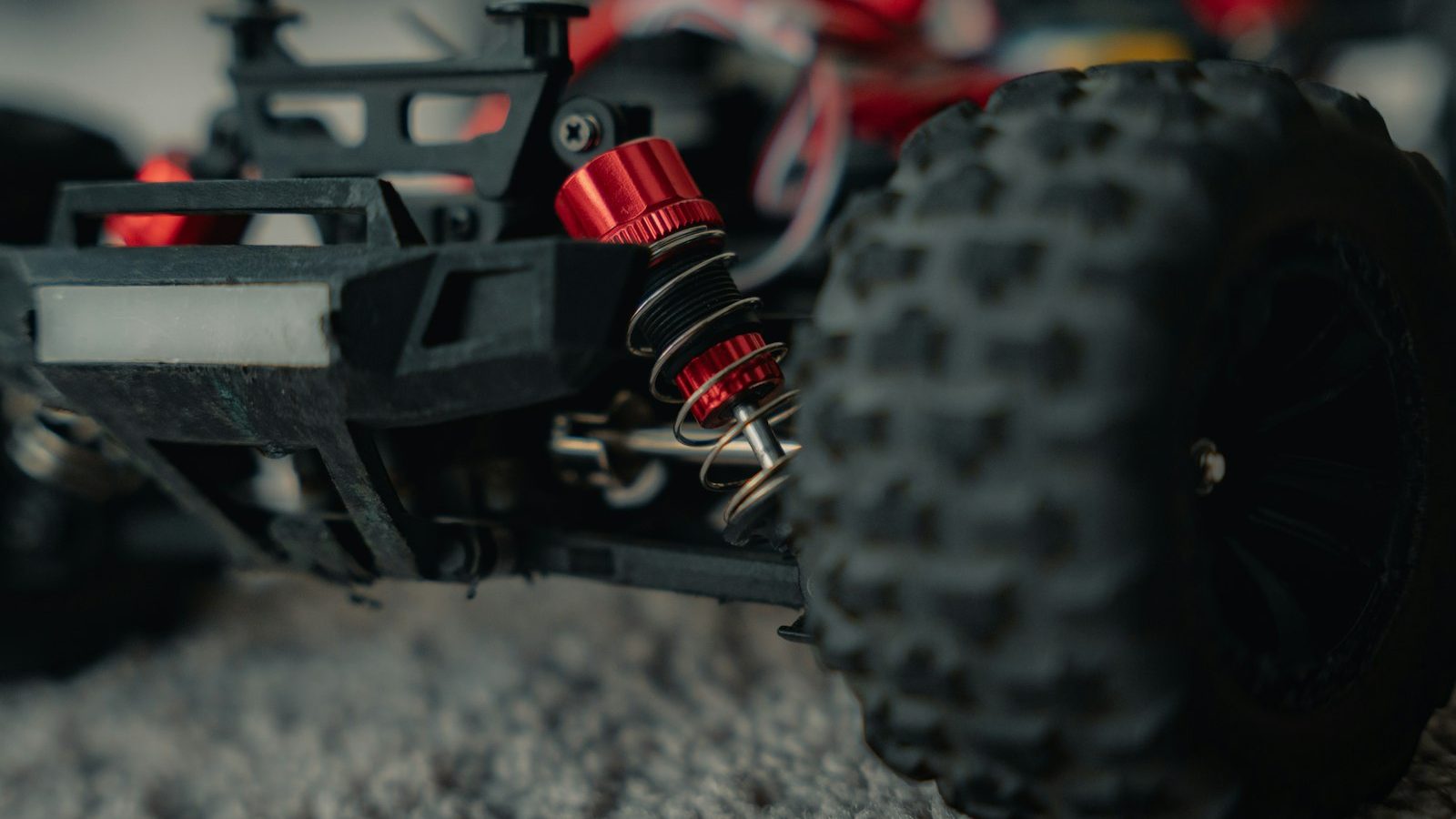
Photo: @ymoran via Unsplash
In this article
Affiliate disclosure: As an Amazon Associate, RemoteControlCarsBlog may earn from qualifying purchases.
Over three feet long, gas or big-battery electric, and seriously fast — 1/5 scale RC cars are the biggest, boldest machines in the hobby. Here’s everything you need to know before you go big.
Let’s set the scene. A 1/5 scale RC car See options on Amazon #ad isn’t a toy you zip around the living room. It’s a giant — often over three feet long, sometimes 20 to 40 pounds, powered by a real gas engine or a massive battery pack, and capable of seriously high speeds. These are the heavyweight champions of the RC world.
They’re thrilling, powerful, and genuinely impressive — but they’re also big, expensive, and best suited to experienced drivers with space and budget. This complete guide covers what 1/5 scale really means, gas versus electric, the top brands, what it costs, who it’s for, maintenance, and the safety you absolutely need to know. Let’s go big. 🏜️
📋 What’s Inside (Table of Contents)
📏 What Is a 1/5 Scale RC Car?
The “1/5” means the car is about one-fifth the size of a real, full-size car. That makes it absolutely huge by RC standards — many are over three feet long and can weigh as much as a small dog. For comparison, the popular 1/10 scale is around 15 to 20 inches; a 1/5 dwarfs it.
Because they’re so big, 1/5 scale cars are built like serious machines. They use heavy-duty frames, big suspension, and large wheels that soak up rough terrain with ease. Many are powered by actual gasoline engines — small two-stroke motors like you’d find on garden equipment — while others use giant electric power systems.
You’ll mostly see them as desert buggies, short-course trucks, and big monster trucks. They’re designed to tackle wide-open spaces, big jumps, and rough ground at high speed. In short: a 1/5 scale RC car is the closest thing to driving a real off-road racer in miniature.
If most RC cars are pets, a 1/5 scale is a beast. It has the size, the power, and the presence to turn heads — and it demands the respect to match. 🏜️
🔥 Why People Love Them
So why go this big? Because nothing else in RC feels quite like it. Here’s the appeal.
- Jaw-dropping presence. A three-foot machine roaring across a field is a spectacle. It looks and sounds like the real thing.
- Real engine experience (gas). Gas-powered 1/5 cars have a pull-start engine, a fuel tank, and an exhaust note. For many fans, that authentic “real vehicle” feel is the whole point.
- Serious power and speed. These machines are fast and strong, blasting across terrain that would stop smaller cars cold.
- Conquers rough ground. Big wheels and long suspension travel devour bumps, ruts, and jumps. Desert and open terrain are their playground.
- Long run times (gas). A tank of fuel can run a long time, and refueling takes seconds — no waiting to recharge.
- Durable and upgradeable. Built tough, with big aftermarket support for the popular platforms.
⛽ Gas vs. Electric
This is the big decision in 1/5 scale. Both are great — they just offer different experiences. Some platforms, like the Losi DBXL, even come in both gas and electric versions.
Go gas if you love the sound, the long run times, and the hands-on experience of a real engine. Go electric if you’d rather have quiet, instant power and less mechanical maintenance. Both deliver the massive size and speed that make 1/5 special — it comes down to the experience you want.
🏁 Top Brands & Models
A handful of names dominate the big-scale world. These are the ones to know.
HPI Baja is the legend that put 1/5 gas buggies on the map. The Baja 5B (buggy) and 5T (truck) are iconic, with a huge following and endless aftermarket parts. There’s also an electric Baja 5B Flux. See HPI Baja on Amazon #ad
Losi helped establish the large-scale category. The 5IVE-T 2.0 is a 1/5 4WD gas short-course truck (over three feet long, with a real two-stroke engine and a big fuel tank), and the DBXL desert buggy comes in both gas and electric versions. Rugged, fast, and well-supported.
Arrma brings the big electric heat with 8S brushless machines like the Outcast and Kraton in 1/5 scale — monster bashers built for huge air and abuse. And Traxxas offers the enormous X-Maxx 8S, a giant electric monster truck that’s a large-scale icon. See big electric trucks on Amazon #ad
For more budget-friendly entry, Rovan and King Motor make popular Baja-style machines with tons of compatible parts, and Redcat offers large-scale options too. These give you the big-scale experience for less, though often with more tinkering.
💰 What It Costs (Buying & Running)
Let’s be honest: 1/5 scale is a premium hobby. Everything is supersized, including the price. The cars themselves are a significant investment — typically well above what smaller scales cost, sometimes into four figures for the top models. Always check current listings for live pricing, since it changes.
And the car is only the start. You also need to budget for the running costs:
- Gas cars: fuel, two-stroke oil, spare air filters, and engine parts over time.
- Electric cars: large 6S–8S batteries and a capable charger, which are expensive on their own.
- Both: bigger tires, spare parts, and upgrades all cost more at this size.
None of this is meant to scare you off — it’s just smart to go in with eyes open. A 1/5 scale machine is a long-term investment in a serious hobby, not an impulse buy. If you’re ready for that, it’s incredibly rewarding.
🎯 Is 1/5 Scale Right for You?
Big-scale RC is amazing, but it’s not for everyone — and definitely not the best first RC car. Here’s an honest look at who it suits.
If you’re newer to RC, it’s often smarter to learn on a 1/10 first, then graduate to 1/5 once you know the hobby and want the ultimate big-scale experience. There’s no rush — and your skills will transfer.
🔧 Maintenance Basics
Big machines need a bit more care. Nothing scary — just regular attention that keeps them running strong.
For gas cars: you’ll mix two-stroke oil with the fuel, keep the air filter clean (dirt is the enemy of engines), tune the carburetor for smooth running, and do a proper break-in on a new engine. It’s part of the hands-on appeal, but it does take learning and time.
For electric cars: maintenance is simpler. Focus on proper battery care — correct charging, safe storage, and not over-discharging — plus keeping the electronics clean and cool. Big motors and ESCs run hard, so let them breathe and don’t overheat them.
For both: after each run, clean off dirt, check for loose bolts (big machines vibrate hard), inspect tires and suspension, and keep an eye on wear. A quick post-run check prevents big problems later.
🛡️ Safety First (Please Read)
This matters more with 1/5 scale than almost anything else in RC. These machines are large, heavy, and fast — a big buggy at speed has real momentum and can genuinely injure a person or pet, or do serious damage. Treat it with respect.
- ⚠️ Run only in big, open, safe areas. Keep well away from people, pets, traffic, and property. A large field or dedicated track with clear space is essential — never crowded parks or sidewalks.
- ⚠️ Keep bystanders well back. Make sure everyone stays a safe distance away while you drive. These cars are heavy and fast.
- ⚠️ Respect the power. Ease into the throttle, especially when learning the car. Full speed in the wrong spot is dangerous.
- ⚠️ Handle fuel safely (gas). Store and pour fuel carefully, away from flames and heat, and let a hot engine and exhaust cool before touching — they can burn you.
- ⚠️ Handle big batteries safely (electric). Use the right charger, never charge unattended, store packs in a fireproof bag, and stop if a pack is hot or swollen. Follow your manuals.
- ⚠️ Mind the moving parts. Big wheels, gears, and engines can pinch or burn. Power down before handling the car, and keep fingers clear.
- ⚠️ Check local rules. Some areas have rules about gas engines and noise. A quick check keeps you in the clear.
⚠️ Common Mistakes (and Easy Fixes)
Mistake 1: Buying 1/5 as your first RC car.
It’s big, fast, and demanding to learn on. Fix: Get experience on a 1/10 first, then step up.
Mistake 2: Underestimating the running costs.
Fuel, big batteries, and parts add up. Fix: Budget for total ownership, not just the car.
Mistake 3: Driving in too-small a space.
These need room and are unsafe in tight areas. Fix: Run only in large, open, people-free spaces.
Mistake 4: Skipping engine maintenance (gas).
A dirty filter or bad tune kills engines. Fix: Clean the filter, tune properly, and do the break-in.
Mistake 5: Ignoring loose bolts.
Big-scale vibration shakes things loose. Fix: Do a quick bolt check before and after runs.
🔥 Pro Tips
- Pick a popular platform. A well-known model (like a Baja, DBXL, or 8S Arrma) means easy parts, lots of tutorials, and a big community.
- Have a transport plan. These are heavy and bulky. Make sure you can get it to and from your driving spot.
- Stock key spares. At this size, breakages mean downtime. Keep common spare parts on hand.
- Learn your power system. Whether gas or electric, understanding the basics makes the hobby smoother and cheaper.
- Find a local big-scale crew. Large-scale fans love to share knowledge, spots, and spare parts — it makes everything easier.
A 1/5 scale machine rewards commitment. Give it the space, budget, care, and respect it needs, and it delivers a driving experience nothing smaller can match. 🏜️
💬 Real-Life Examples
❓ Frequently Asked Questions
How big is a 1/5 scale RC car?
Very big — typically over three feet long and often weighing 20 to 40 pounds. They’re about one-fifth the size of a real car, which makes them far larger than common scales like 1/10. They have a real “small vehicle” presence.
Are 1/5 scale RC cars gas or electric?
Both. Many are powered by real two-stroke gas engines for long run times and an authentic feel, while others use large electric power systems (often 6S–8S batteries) for quiet, instant power and less maintenance. Some platforms offer both versions.
Are they good for beginners?
Generally no. Their size, speed, cost, and maintenance make them better suited to experienced drivers. Most people are better off learning on a 1/10 scale first, then moving up to 1/5 once they know the hobby and want the ultimate big-scale machine.
How fast are 1/5 scale RC cars?
They’re seriously fast — many reach high speeds that, combined with their heavy weight, give them real momentum. That’s part of the thrill, but it’s also why you must run them only in large, open, safe areas away from people and pets.
What are the best 1/5 scale brands?
HPI (Baja), Losi (5IVE-T, DBXL), Arrma (8S models), and Traxxas (X-Maxx) are top names, known for performance, durability, and strong parts support. Rovan, King Motor, and Redcat offer more budget-friendly big-scale options, often with more tinkering.
How much do 1/5 scale RC cars cost?
They’re a premium purchase, typically costing well more than smaller scales, sometimes into four figures for top models. Remember to budget for running costs too — fuel and engine parts for gas, or large batteries and a charger for electric. Always check current listings for live pricing.
✅ Final Thoughts
Before you go big, check these boxes:
- ✅ You have some RC experience (or you’ll start on a 1/10).
- ✅ You have a large, open, safe place to run it.
- ✅ You’ve budgeted for the car and the running costs.
- ✅ You chose gas or electric based on the experience you want.
- ✅ You can transport and maintain a big, heavy machine.
- ✅ You’ll respect the size and power with serious safety habits.
Bottom line: 1/5 scale RC cars are the giants of the hobby — huge, powerful, and unforgettable to drive. They ask for space, budget, maintenance, and respect, but they reward you with an experience nothing smaller can touch. If you’re ready to go big, a 1/5 machine is the ultimate RC thrill. 🏜️🚗
More RC adventures await in our guides on
the best RC cars,
RC monster trucks,
RC bashers, and
RC batteries.

admin
Our editors are RC drivers first: every guide is written by someone who has owned, broken and rebuilt the category they cover. No paid placements, no fabricated ratings.