All-Terrain Remote Control Cars: The Complete Guide

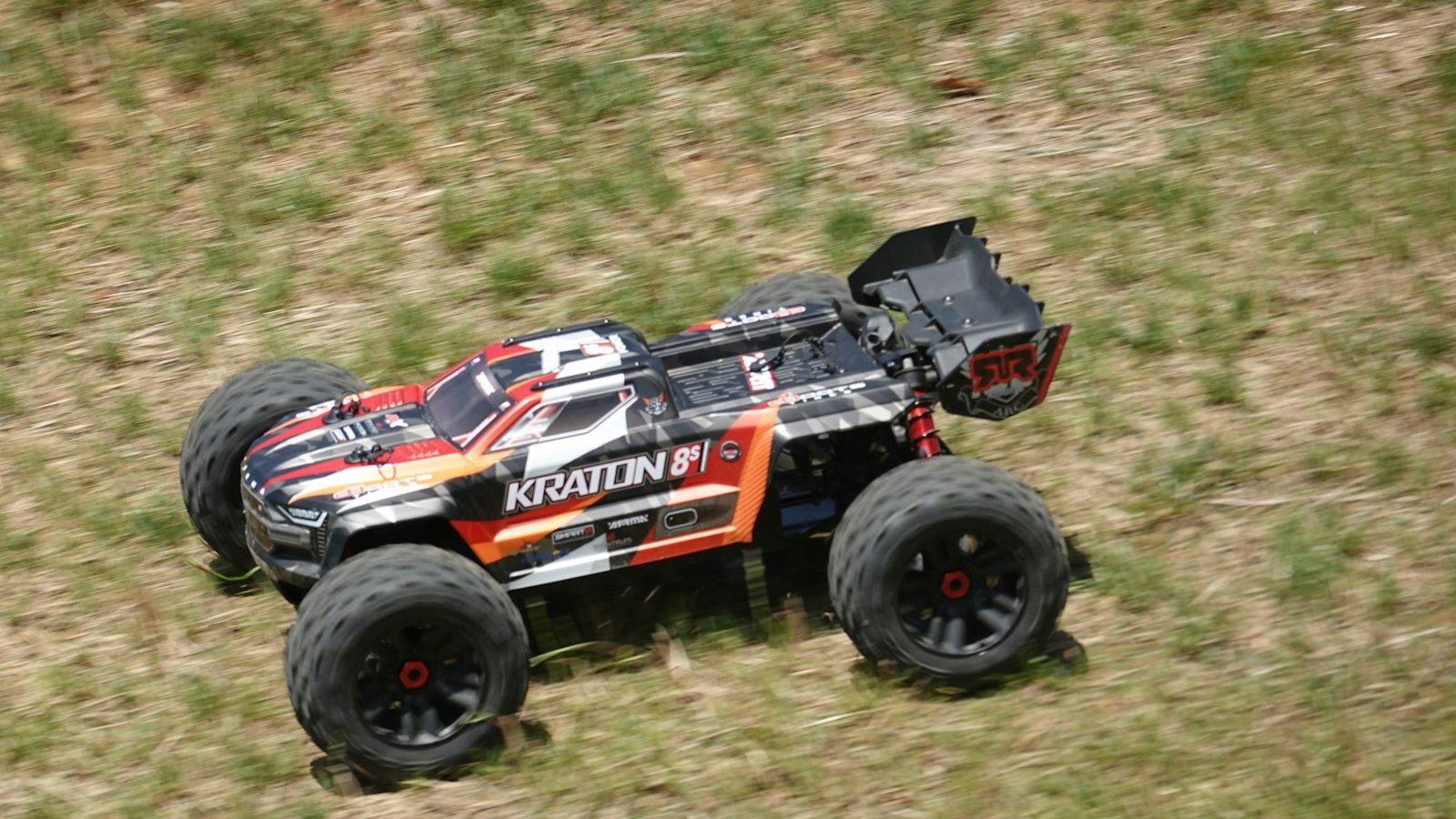
Photo: @marsha_reid via Unsplash
In this article
Affiliate disclosure: As an Amazon Associate, RemoteControlCarsBlog may earn from qualifying purchases.
Dirt, grass, gravel, mud, sand, rocks, pavement — an all-terrain RC car goes wherever you do. Here’s the deep, no-nonsense guide to choosing one that can truly handle it all.
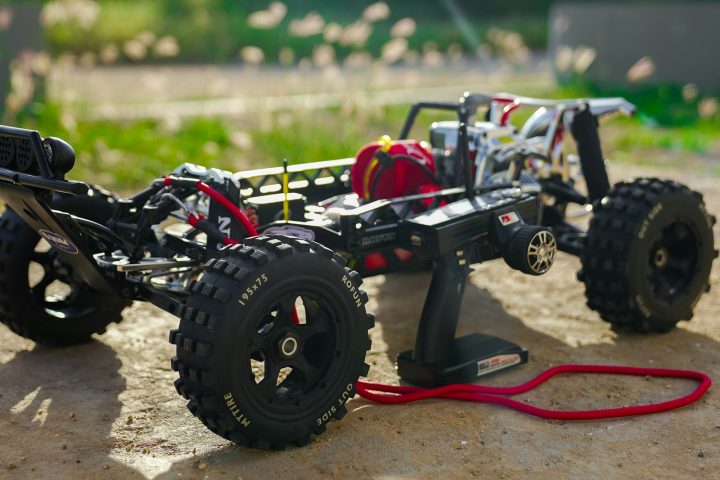
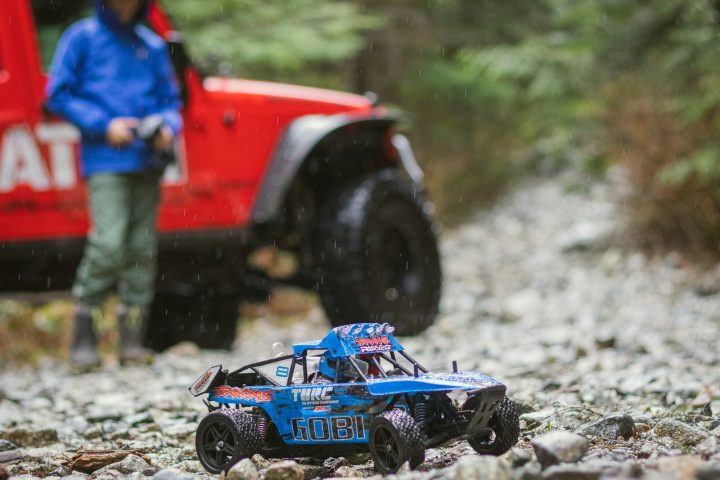
An all-terrain RC car See all-terrain RC cars on Amazon #ad is exactly what it sounds like: a rugged, go-anywhere machine built to conquer dirt, grass, gravel, mud, sand, rocks, and pavement. Unlike on-road cars that only behave on smooth surfaces, an all-terrain rig thrives on rough, unpredictable ground — which is most of the real world.
This is the deep guide. We’ll cover every type of all-terrain vehicle, the exact features that make a car capable (and the marketing that doesn’t), how to pick the right scale and power, the all-important toy-grade vs. hobby-grade decision, how to match a car to your terrain, and how to care for it. By the end, you’ll know precisely what to buy and why. Let’s dig in. 🏔️
📋 What’s Inside (Table of Contents)
- What is an all-terrain RC car?
- Why go all-terrain?
- Types of all-terrain RC vehicles
- What makes a car truly all-terrain
- 2WD vs. 4WD
- Brushed vs. brushless power
- Choosing the right scale
- Toy-grade vs. hobby-grade
- Electric vs. nitro
- Matching the car to your terrain
- How to choose (decision guide)
- Driving & care
- Common mistakes (and fixes)
- Pro tips
- FAQ
- Final thoughts
🧭 What Is an All-Terrain RC Car?
An all-terrain RC car is built to handle many surfaces and rough conditions, not just smooth pavement or indoor floors. Where an on-road car would get stuck, bounce uncontrollably, or break, an all-terrain rig keeps going — climbing over bumps, soaking up jumps, and finding grip on loose ground.
What makes that possible is a combination of design choices: capable suspension, generous ground clearance, grippy off-road tires, a tough build, and usually four-wheel drive. Together these let the car deal with whatever’s underneath it instead of being defeated by it.
The category is broad. It includes monster trucks, bashers, short-course trucks, buggies, rock crawlers, and scale trail trucks — all united by one idea: they’re made to go off the beaten path. That versatility is exactly why all-terrain cars are the most popular choice for people who just want to have fun outdoors.
An on-road car needs the world to be smooth. An all-terrain car treats the whole world as its playground — that freedom is the entire appeal. 🏔️
🌍 Why Go All-Terrain?
The number-one reason is freedom. With an all-terrain car you’re not tied to a track or a smooth driveway. Your backyard, a local park, a dirt lot, a trail, a beach — it all becomes drivable. You can chase bumps, send jumps, and explore without worrying about the surface.
All-terrain cars are also more forgiving and fun for most people. Hit a patch of grass or a rut and the car shrugs it off. That toughness means fewer frustrating stops and more time actually driving. For beginners and families especially, that versatility makes the hobby far more enjoyable.
And they’re exciting. Big suspension travel, grippy tires, and real power add up to a thrilling drive — wheelies, jumps, drifts on dirt, and the satisfaction of conquering terrain that would stop a lesser car cold.
🚙 Types of All-Terrain RC Vehicles
“All-terrain” covers several vehicle styles, each with its own strengths. Knowing them helps you match a car to how you want to drive.
For pure all-terrain versatility, monster trucks, bashers, and short-course trucks are the crowd favorites — they handle the widest range of ground and abuse. Buggies add speed, while crawlers and scale trucks specialize in slow, technical terrain. Popular real-world examples span tough bashers and short-course trucks from the big hobby brands down to capable budget-friendly ready-to-run models. See monster trucks on Amazon #ad
🔧 What Makes a Car Truly All-Terrain
Marketing loves to slap “all-terrain” on anything. Here’s what actually matters — the real features that decide whether a car can handle rough ground.
If you remember nothing else, remember the big four: 4WD, real suspension, ground clearance, and grippy tires. A car with those can handle genuine off-road use. Add a durable build and waterproof electronics, and you’ve got a rig that goes almost anywhere in almost any weather.
⚙️ 2WD vs. 4WD
This is one of the most important choices for all-terrain use. 4WD drives all four wheels, giving far better traction on loose dirt, grass, and mud, and keeping the car stable on jumps and rough ground. For serious all-terrain driving, 4WD is almost always the better pick.
2WD drives only two wheels. It’s usually cheaper and lighter, and it’s fun for pavement and dirt drifting, but it’s harder to control at speed on rough off-road terrain and gets stuck more easily on loose surfaces. It can still be a blast — just know its limits.
The bottom line: if your main goal is conquering varied, rough terrain, choose 4WD. If you’re on a tight budget or mostly play on harder surfaces, a quality 2WD can still deliver plenty of fun.
⚡ Brushed vs. Brushless Power
All-terrain cars come with one of two electric motor types. Brushed motors are affordable, simple, and provide good low-speed torque for climbing and crawling — great for beginners and budget builds. They wear faster and aren’t as fast or efficient.
Brushless motors are more powerful, faster, more efficient, longer-lasting, and handle water better thanks to their sealed design. They cost more and can be very fast, so they suit those who want performance. Many capable all-terrain trucks today are brushless.
📏 Choosing the Right Scale
Scale is the car’s size (the number like 1/10 or 1/16 — a smaller bottom number means a bigger car). Size has a real effect on all-terrain capability, space needs, and cost.
As a rule, bigger cars handle rough terrain better and feel more planted, but they cost more and need more room to run. Smaller cars are cheaper and great in tight spaces but get stopped by obstacles a big truck would roll over. For most all-terrain drivers, a 1/10 (for maximum capability) or a 1/12–1/14 (for the best all-round balance) hits the mark.
🏆 Toy-Grade vs. Hobby-Grade (the Big One)
This is the single most important buying decision, and it’s worth understanding clearly.
Toy-grade cars are cheap, sold sealed, and not really meant to be repaired or upgraded. They can be fine for very casual or young-kid use, but they’re less capable, less durable, and when something breaks, they’re often throwaway.
Hobby-grade cars are the real deal for all-terrain driving. They’re built tougher, designed to be repaired and upgraded, and backed by replacement parts, a community, and manufacturer support. When you break something (and off-road, you will), you simply fix it and keep going. They cost more upfront but last far longer and perform far better.
🔋 Electric vs. Nitro
Most all-terrain cars today are electric, but nitro (glow-engine) options exist too. Electric — especially brushless — is clean, quiet, low-maintenance, easy to use, and very capable, which is why it dominates. You just charge a battery and drive. The trade-off is recharge time between packs.
Nitro uses a small fuel-burning engine for a realistic sound, smell, and refuel-and-go running, but it needs more maintenance, tuning, and care. It’s a rewarding experience for enthusiasts who enjoy the engine side of the hobby.
For most people wanting an easy, capable all-terrain car, electric is the practical choice. Choose nitro if you specifically want the engine experience and don’t mind the extra upkeep.
🗺️ Matching the Car to Your Terrain
The “best” all-terrain car depends a lot on where you’ll actually drive. Here’s how to match the rig to the ground.
- Loose dirt & gravel: A 4WD monster truck, basher, or short-course truck with knobby tires shines here. This is classic all-terrain territory.
- Grass & uneven yards: You want clearance and 4WD traction. Bigger tires and a monster truck or basher handle tall grass best.
- Mud & wet: Prioritize 4WD, waterproof electronics, and grippy tires — and clean the car afterward.
- Sand & beach: Light, powerful rigs with paddle-style or knobby tires do well; rinse off grit after.
- Rocks & technical obstacles: A dedicated rock crawler or scale trail truck — slow, articulate, and built for climbing — beats a fast basher here.
- Mixed everything: A versatile 4WD short-course truck or monster truck is the jack-of-all-trades that handles a bit of everything.
🎯 How to Choose (Decision Guide)
Pull it all together with these questions.
- Where will you drive? Match the type and tires to your terrain (see above).
- What’s your goal? Bashing and jumps → monster truck or basher. Speed → buggy or short-course. Climbing → crawler. A bit of everything → versatile 4WD truck.
- Your experience? Beginners want a durable, ready-to-run (RTR) hobby-grade 4WD with manageable power and speed modes.
- How much space? Big yards and open lots suit larger scales; tight spaces favor smaller ones.
- Your budget? Spend on hobby-grade over a fancy toy-grade — durability and repairability pay off.
For most people, the winning formula is simple: a durable, ready-to-run, hobby-grade 4WD truck in 1/10 or 1/12–1/14 scale, sized to your space and speed comfort. That covers the widest range of terrain and grows with your skills.
🧰 Driving & Care
An all-terrain car lives a hard life, so a little care keeps it running great. And driving responsibly keeps the hobby fun for everyone.
- Drive in safe, legal, open areas. Pick spots away from traffic, people, and water hazards, and respect private property and nature.
- Supervise kids. These cars are fast and tough — keep young drivers and bystanders safe.
- Clean after rough or wet runs. Brush off dirt, rinse mud (especially salt), and dry the car so grit and moisture don’t cause wear or corrosion.
- Check it over. Tighten loose screws, inspect tires and suspension, and look for damage after big sessions.
- Handle batteries safely. Charge LiPo packs with the right charger, never unattended, and store them properly. Follow your manuals.
A great all-terrain car isn’t just bought — it’s maintained. Five minutes of cleaning and a screw check after a hard run is the difference between a rig that lasts years and one that rattles apart. 🧰
⚠️ Common Mistakes (and Easy Fixes)
Mistake 1: Buying toy-grade for serious off-road.
It breaks and can’t be fixed. Fix: Choose hobby-grade for durability and repairability.
Mistake 2: Picking 2WD for rough terrain.
It struggles on loose ground. Fix: Go 4WD for real all-terrain traction.
Mistake 3: A super-fast brushless truck as a first car.
Hard to control and easy to crash. Fix: Start with speed modes or moderate power.
Mistake 4: Wrong tires for the terrain.
Poor grip and getting stuck. Fix: Match tires to your surface (knobby, paddle, sticky).
Mistake 5: Skipping cleaning and checks.
Grit and loose screws cause failures. Fix: Clean and inspect after rough runs.
🔥 Pro Tips
- Buy a model with good parts support. Popular trucks have easy spares and a big community — invaluable when you break something.
- Get spare batteries early. Multiple packs mean longer sessions instead of waiting on a charger.
- Keep a basic tool kit and common spares. A few hex drivers and spare parts turn a session-ending break into a quick trail fix.
- Upgrade for durability, then performance. Tougher parts and the right tires help more than chasing raw speed at first.
- Seal it if you’ll get wet. If you plan to run in mud, puddles, or snow, protect the electronics so the weather doesn’t end the fun.
💬 Real-Life Examples
❓ Frequently Asked Questions
What is an all-terrain RC car?
It’s an RC vehicle built to handle many surfaces and rough conditions — dirt, grass, gravel, mud, sand, rocks, and pavement — rather than only smooth ground. It achieves this with capable suspension, ground clearance, grippy off-road tires, a durable build, and usually four-wheel drive.
Is 4WD or 2WD better for all-terrain?
For serious all-terrain use, 4WD is almost always better — it gives more traction on loose ground and more stability on jumps. 2WD is cheaper and fun on harder surfaces but struggles more off-road. If conquering rough terrain is your goal, choose 4WD.
Should I buy toy-grade or hobby-grade?
For real all-terrain driving, choose hobby-grade. Hobby-grade cars are tougher, repairable, upgradeable, and supported by replacement parts and a community, so they last far longer and perform much better. Toy-grade is only suitable for very casual or young-kid use.
What scale all-terrain car should I get?
A 1/10 scale offers maximum stability and rough-terrain capability but needs space and costs more, while 1/12–1/14 is the sweet spot balancing size, value, and capability. Smaller 1/16–1/18 scales are affordable and compact but struggle on very rough ground.
Can all-terrain RC cars drive in water and mud?
Many can handle wet grass, puddles, and mud, especially models with waterproof electronics. But water-resistant usually means splashes, not deep submersion, so avoid deep water, consider sealing the electronics, and always clean and dry the car afterward to prevent corrosion.
What’s a good all-terrain RC car for beginners?
A durable, ready-to-run, hobby-grade 4WD truck — like a short-course truck or monster truck — in 1/10 or 1/12–1/14 scale is ideal. Look for manageable power or speed modes, good parts availability, and waterproof electronics so it’s easy to learn on and easy to keep running.
✅ Final Thoughts
Choose your all-terrain RC car in five steps:
- ✅ Pick the type for your goal (monster/basher/buggy/crawler/short-course).
- ✅ Insist on the big four: 4WD, suspension, clearance, grippy tires.
- ✅ Choose hobby-grade over toy-grade — repairability wins.
- ✅ Match scale to your space, and power to your skill.
- ✅ Add spare batteries, tools, and after-run cleaning.
Bottom line: an all-terrain RC car is the most versatile, go-anywhere way to enjoy the hobby. Choose a durable, hobby-grade 4WD truck sized to your space, match the tires to your terrain, learn the controls, and keep it clean — and you’ll have a rugged machine that turns any patch of ground into an adventure for years to come. 🏔️🚙
Find your perfect rig with our guides on
the best RC cars,
RC monster trucks,
RC crawlers, and
beginner RC cars.

admin
Our editors are RC drivers first: every guide is written by someone who has owned, broken and rebuilt the category they cover. No paid placements, no fabricated ratings.