Remote Control Plane Parts: The Complete Guide for 2026


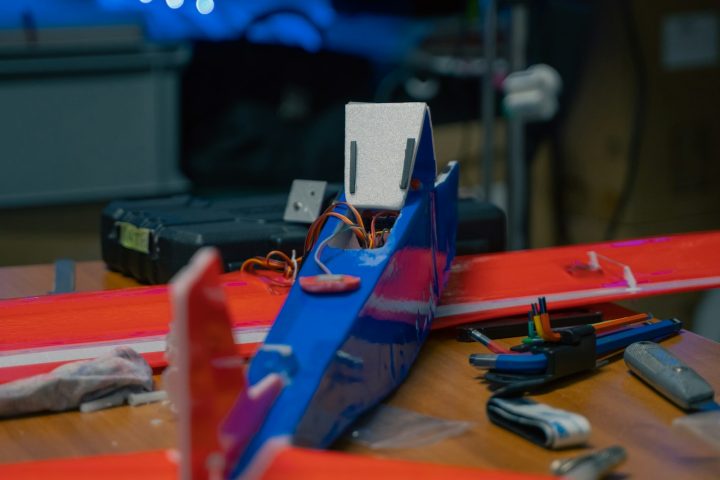
Photo: @moeturner via Unsplash
In this article
Affiliate disclosure: As an Amazon Associate, RemoteControlCarsBlog may earn from qualifying purchases.
A snapped propeller or a dead servo can ground your plane in seconds. The good news? Knowing your RC plane parts gets you back in the air fast — and often for just a few dollars. This friendly guide breaks down every part and how to choose it.
Understanding remote control plane parts See RC plane parts on Amazon #ad turns a frustrating crash into a quick, cheap fix — and helps you upgrade your plane to fly better.
We’ll keep it simple and friendly, like a flying buddy explaining things at the field. You’ll learn what every part does, which ones break most, how to pick the right replacement, and the tricks that keep your plane flying. Let’s get you airborne again. ✈️
📋 What’s Inside (Table of Contents)
✈️ What Are RC Plane Parts?
RC plane parts are simply the components that make up a remote control airplane. They fall into a few groups: the power system (motor, ESC, and battery), the control system (servos, receiver, and your transmitter), the airframe (the body, wings, tail, and control surfaces), and the spinning bit up front — the propeller.
Together, these parts make your plane fly and respond to your commands. When one breaks or wears out — and in this hobby, they do — you replace just that part instead of the whole plane. That’s the beauty of understanding your parts: repairs and upgrades become cheap, easy, and even fun. Think of it like building blocks that each have one clear job.
Here’s the mindset that saves you money: an RC plane isn’t one thing, it’s a bundle of swappable parts. Crash and snap a prop? That’s a few-dollar fix, not a new plane. Knowing your parts is knowing how to keep flying. ✈️
🔥 Why People Search for Them in 2026
The number-one reason is crash repair. Flying means the occasional hard landing, and props, servos, and landing gear are usually first to break. Searching for the right replacement part gets your plane flying again quickly and cheaply, instead of gathering dust.
The other big reasons are upgrades and building. Maybe you want a stronger motor, faster servos, or a bigger battery for more power and flight time. Or you’re assembling a plane from a kit and need every component. As more people get into RC flying, knowing your parts has become an essential skill that saves money and unlocks better performance. See RC plane motors on Amazon #ad
🧩 The Core RC Plane Parts
Every electric RC plane uses this same basic set of parts. Once you know what each one does, the whole plane suddenly makes sense — and ordering the right replacement becomes easy.
🔍 Key Parts Explained
The Motor
The motor spins the propeller. Most electric RC planes use a brushless motor, which is powerful, efficient, and long-lasting. Motors are rated by KV (how fast they spin per volt) — lower KV with a bigger prop suits gentle flyers, higher KV suits speed. Match the motor to your plane’s size and your battery’s voltage.
The ESC (Speed Controller)
The ESC is the brain between your battery and motor. It controls how fast the motor spins based on your throttle, and most include a BEC that powers the receiver and servos. ESCs are rated in amps (A) — always pick one rated higher than your motor’s maximum draw, or it can overheat and fail. See ESCs on Amazon #ad
Servos
Servos are small motors that move your control surfaces — the ailerons, elevator, and rudder that steer the plane. They come in sizes like tiny 9g micros and larger standard servos, and are rated by torque. For durability, choose metal-gear servos; cheap plastic gears strip easily in a crash. See servos on Amazon #ad
Receiver & Transmitter
The transmitter is your handheld controller; the receiver sits in the plane and listens to it. They “bind” together on the 2.4GHz band, and you need enough channels for your plane (a basic 4-channel setup covers throttle, ailerons, elevator, and rudder). More channels add flaps, retracts, and lights.
Battery (LiPo)
Most RC planes run on LiPo batteries, rated by cell count (S), capacity (mAh), and discharge (C). More mAh means longer flights; the right S count matches your motor and ESC. LiPos need careful charging and storage for safety. Our battery guide explains LiPo basics.
The Propeller
The prop turns motor power into thrust. It’s sized as diameter x pitch (like 10×6), and comes in plastic, carbon, or wood. Because it’s at the front and spinning fast, the propeller is the part that breaks most often — so always keep spares. See propellers on Amazon #ad
Airframe & Control Surfaces
The airframe is the body, wings, and tail — often tough foam (EPO) on modern planes, or balsa wood on classic builds. The moving flaps (ailerons, elevator, rudder) connect to servos via control horns, pushrods, and hinges, all of which are replaceable parts too.
📊 Most-Replaced Parts
Notice the pattern: the cheapest, easiest-to-replace parts (props and servos) are the ones that break most. That’s why a small spares kit keeps your flying days from ending early.
📐 Key Specs Cheat-Sheet
Keep this handy when shopping. Matching these specs is the secret to buying parts that actually work together the first time. Our brushless vs brushed guide helps with motors.
🔧 How to Choose & Replace a Part
- Identify the part. Work out exactly what broke or what you want to upgrade.
- Match the specs. Size, voltage, connector, channels, KV, amps — copy your plane’s setup if unsure.
- Buy quality & compatible. A part that fits and is well-made beats the cheapest option that fails fast.
- Install carefully. Use matching connectors, and foam-safe glue on the airframe so you don’t melt the foam.
- Bind & check throws. Re-bind if needed, then confirm every control surface moves the right way and is centered.
- Test before you fly. Do a careful ground check first — never maiden a repair without testing.
Follow these steps and most repairs take minutes. The key is matching specs and double-checking your controls before takeoff.
⚠️ Common Mistakes & Pro Tips
Mistake 1: Buying an incompatible part.
Wrong voltage, connector, or channel. Fix: Match the specs to your plane.
Mistake 2: Under-rating the ESC.
It overheats and dies. Fix: Choose an amp rating above the motor’s draw.
Mistake 3: Wrong prop size or direction.
Hurts power or strains the motor. Fix: Use the recommended diameter x pitch.
Mistake 4: Cheap plastic-gear servos.
Gears strip on impact. Fix: Use metal-gear servos for key surfaces.
Mistake 5: Wrong glue on foam.
Regular CA can melt foam. Fix: Use foam-safe glue.
- Keep a spares kit. A couple of props and a spare servo save the day at the field.
- Match ESC amps above motor draw. Headroom prevents burnouts.
- Use foam-safe CA + activator. Fast, strong airframe repairs without melting.
- Standardize your connectors. Sticking to one type (like XT60) makes swaps easy.
- Always check control throws. Confirm surfaces move correctly before every maiden flight.
🚁 Real-Life Scenarios
The crash repair: Jake noses his foamie into the grass and snaps the prop and an aileron servo. He pops on a spare prop, swaps in a metal-gear servo, glues the small foam crack with foam-safe CA, checks his throws, and is flying again the same afternoon — for a few dollars.
The power upgrade: Mia wants more punch. She fits a higher-KV brushless motor, a matching higher-amp ESC, and a bigger-capacity LiPo, double-checking the prop size. Her plane now climbs harder and flies longer — a transformation for the price of a few parts.
The kit builder: Tom is assembling a balsa kit from scratch. He sources the motor, ESC, four servos, a receiver, and a battery to match the plan, installs them step by step, and ends up with a plane he understands inside out.
🤔 Is It Worth It? & What It Costs
Buying RC plane parts is absolutely worth it for almost every flyer. Repairing a plane is far cheaper than replacing it, upgrades unlock better performance, and understanding your parts makes the whole hobby more rewarding. The only time to think twice is with a very cheap toy plane, where pricey upgrades may cost more than the plane is worth — though basic spares like props still make sense.
On cost, parts vary by size and quality, so always check the retailer. As a rough guide: propellers are cheap (often just a few dollars), servos commonly run around $5–$30, ESCs roughly $15–$50, motors about $15–$60, and LiPo batteries around $10–$40. A whole repair often costs less than a meal out — which is why parts keep this hobby affordable. See current part prices on Amazon #ad
❓ FAQ & Final Verdict
What parts does an RC plane have?
An electric RC plane has a power system (a brushless motor, an ESC speed controller, and a LiPo battery), a control system (servos that move the control surfaces, a receiver, and your transmitter), the airframe (fuselage, wings, tail, and the moving ailerons, elevator, and rudder), a propeller, and landing gear. Smaller parts like control horns, pushrods, and hinges connect it all. Knowing these groups makes it easy to identify and replace whatever you need.
Which RC plane parts break most often?
Propellers break most often because they’re at the front and spin fast, so they hit the ground first in any crash. Luckily they’re cheap, so keep spares. After props, servos are common casualties, especially ones with plastic gears that strip on impact, followed by landing gear that bends on rough landings. Motors and ESCs can fail too, usually from crash damage or being overloaded. A small kit of spare props and a servo keeps your flying day going.
How do I choose a motor and ESC?
Match them to your plane and battery. Pick a brushless motor with the right KV rating and size for your plane’s weight and your battery’s voltage, then choose an ESC with an amp rating safely above the motor’s maximum current draw so it won’t overheat. The easiest approach is to copy your plane’s recommended setup, which usually lists the suggested motor, ESC, prop, and battery. Matching these power-system parts correctly is the key to reliable, efficient flight.
Are RC plane parts universal?
Not entirely. Many parts like servos, motors, ESCs, and props are fairly standard and interchangeable as long as the specs match (size, voltage, connector, and ratings). However, you must match those specs to your plane, and receivers generally need to match your transmitter’s brand and protocol to bind. Airframe parts like wings and fuselages are usually specific to a particular plane model. So while lots of electronics swap freely, always confirm compatibility before buying.
What battery do RC planes use?
Most modern RC planes use LiPo (lithium polymer) batteries, rated by cell count (S), capacity in mAh, and discharge rate (C). The cell count must match your motor and ESC, more mAh gives longer flights but adds weight, and a high enough C rating safely delivers the current the motor needs. LiPos are powerful but require careful charging and storage. Always use a proper LiPo charger and follow safety guidelines to keep them healthy and avoid hazards.
What glue should I use on a foam RC plane?
Use foam-safe glue, because regular cyanoacrylate (CA) superglue can melt or damage foam. Foam-safe CA paired with an accelerator (activator) gives fast, strong repairs, while foam-safe epoxy or hot glue works for bigger joins. Always check the label says it’s safe for foam (EPO or EPP). Using the wrong glue is a common beginner mistake that can ruin an airframe, so it’s worth keeping a foam-safe option in your repair kit at all times.
Your RC plane parts checklist:
- ✈️ Know your groups: power, control, airframe & prop.
- 📐 Match specs — KV, amps, torque, prop size, LiPo S/mAh.
- 🔌 Keep connectors consistent & use foam-safe glue.
- 🧰 Stock spare props & a servo for crash days.
- ✅ Check control throws before every flight.
Bottom line: understanding your remote control plane parts is the smartest skill in RC flying. It turns crashes into cheap, quick fixes and opens the door to upgrades that make your plane fly better. Learn the core parts, match the specs when you buy, keep a few spares handy, and always check your controls before takeoff. Do that, and you’ll spend far more time flying and far less time grounded. Clear skies! ✈️🏁
More RC know-how in our guides on
GPS trackers for RC planes,
brushless vs brushed motors,
RC batteries, and
LiPo battery safety.

admin
Our editors are RC drivers first: every guide is written by someone who has owned, broken and rebuilt the category they cover. No paid placements, no fabricated ratings.