Best Build-Your-Own Remote Controlled Car Kits


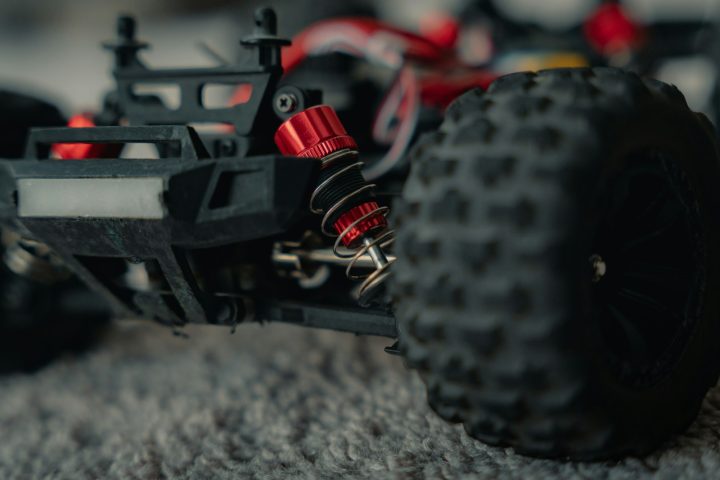
Photo: @vishnumaiea via Unsplash
In this article
Affiliate disclosure: As an Amazon Associate, RemoteControlCarsBlog may earn from qualifying purchases.
Best Build-Your-Own Remote Controlled Car Kits (2026)
Skip the ready-made box and build your own RC car from the ground up. From kid-friendly STEM kits to serious hobby-grade builds, here’s how to choose the perfect kit and enjoy the satisfaction of driving something you made.
There’s a special kind of pride in driving an RC car you built with your own hands. A build-your-own RC car kit See RC car kits on Amazon #ad turns the hobby into something deeper — you learn how the car works, customize it your way, and gain the skills to fix and upgrade it forever.
This deep guide covers it all: what build-your-own RC kits are, the different types (from kid-friendly STEM kits to serious hobby-grade builds), what’s included and what you’ll need, what to look for, and how the building process works. Let’s get to the workbench. 🔧
📋 What’s Inside (Table of Contents)
🔧 What Are Build-Your-Own RC Kits?
A build-your-own RC car kit is exactly what it sounds like: instead of a finished car, you get a box of parts and instructions, and you assemble the car yourself. It’s the opposite of a “ready-to-run” (RTR) model, where everything’s done for you — here, the building is part of the fun.
Kits range hugely in complexity. At the simple end are STEM kits for kids — often snap-together “block” designs that need no tools and teach engineering basics. In the middle are coding and robotics kits that you build and then program. At the serious end are hobby-grade kits from brands like Tamiya, where you assemble a genuine performance RC car chassis, often adding your own electronics.
Whatever the level, the idea is the same: you learn how the car works by putting it together, and you end up with a machine that’s truly yours.
A ready-made car is fun to drive. A car you built is fun to drive and understand — every part means something because you put it there yourself. 🔧
⭐ Why Build Your Own?
Building a kit takes more effort than buying ready-made — and that’s the whole point. Here’s what you gain.
- You learn how it works. Assembling the chassis, gears, and suspension teaches you how an RC car actually functions.
- Deep satisfaction. There’s nothing like driving a car you built with your own hands — the build is a rewarding project in itself.
- Easy repairs & upgrades. Because you built it, you know every part — fixing and upgrading later becomes simple and confident.
- Customization. Many kits let you choose your own body, paint, wheels, and electronics, so the finished car is uniquely yours.
- STEM & family value. Kits teach engineering, problem-solving, and patience — fantastic for kids, classrooms, and family bonding.
🧩 Types of RC Car Kits
Build-your-own kits fall into a few clear groups. Here’s how to match one to your goals and skill level.
For kids, a no-tool STEM block kit is perfect, while teens and adults curious about programming love robotics kits. For genuine RC performance, hobby-grade kits — Tamiya is the legendary go-to, with beginner-friendly platforms like the TT-02 and the classic Grasshopper — are the sweet spot, with racing brands like Team Associated serving advanced builders. See Tamiya RC car kits on Amazon #ad
📦 What’s Included & What You’ll Need
This is the most important thing to check before buying, because kits vary a lot in what comes in the box.
STEM and robotics kits are usually fairly complete (just add batteries). Hobby-grade kits are different: many are “kit only,” meaning you also buy the motor, speed controller (ESC), servo, radio, battery, charger, and paint separately. That’s not a drawback — it lets you choose exactly the parts you want — but it’s vital to budget for them so you’re not surprised. You’ll also want basic tools (screwdrivers, hobby knife) for most non-block kits.
🔍 What to Look For
Start by matching the skill level to the builder, then check exactly what’s included (especially whether a hobby kit needs electronics). Clear instructions, the right tools, and good parts support make the build enjoyable rather than frustrating.
🛠️ How Building a Kit Works
Every kit is different, but a hobby-grade build generally follows this rewarding flow.
- Read the instructions first. Skim the whole manual before starting so you understand the journey and don’t get surprised.
- Organize your parts. Sort the bags and hardware so everything’s easy to find as you go.
- Build the chassis & drivetrain. Assemble the base, gears, differentials, and suspension step by step — this is the heart of the build.
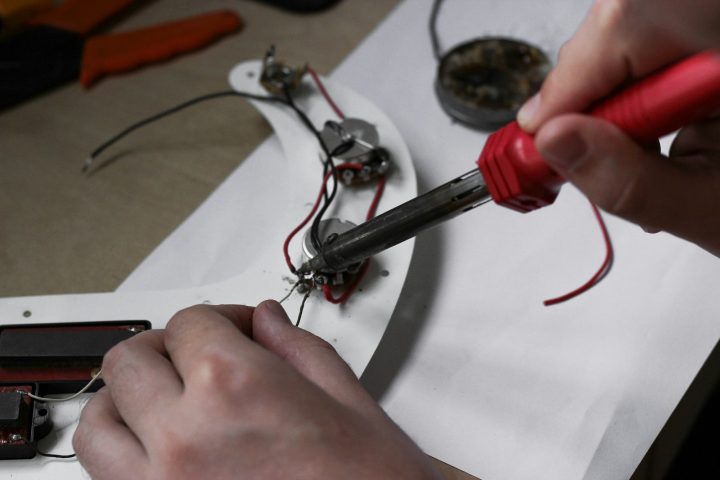
- Install the electronics. Fit the motor, ESC, servo, and receiver (the parts you supply on many hobby kits), and connect everything.
- Prepare the body. Trim and paint the body shell to your taste, then mount it — this is where it becomes yours.
- Test & tune. Power up, check steering and throttle directions, make small adjustments, and take it for its first drive.
For STEM and block kits, the process is simpler — snapping or screwing parts together following picture instructions — but the satisfying “I built this” payoff is the same.
👧 Skill Levels & Ages
There’s a kit for nearly every age and ability. Simple STEM block kits suit children from around age six and up, since they snap together without tools. Coding and robotics kits are great for teens and adults (and motivated older kids), especially those interested in programming.
Hobby-grade kits span beginner to expert: friendly platforms like the Tamiya TT-02 and Grasshopper are famously approachable for first-time builders (often recommended from around age twelve and up, and loved by adults), while advanced racing kits are best once you’ve got a build or two under your belt. The golden rule: pick a kit that challenges the builder a little without overwhelming them.
💡 Building Tips for Success
- 🔧 Take your time. The build is the fun — don’t rush it. A patient, careful assembly drives and lasts better.
- 🔧 Follow every step in order. Kit instructions are sequenced for a reason; skipping ahead causes headaches.
- 🔧 Use the right tools. Proper screwdrivers and a hobby knife make clean work and prevent stripped screws.
- 🔧 Keep parts organized. Small trays or cups stop tiny screws from vanishing into the carpet.
- 🔧 Lean on the community. Build videos and forums for popular kits are gold when you’re unsure about a step.
Don’t think of the build as a chore standing between you and driving. The hours at the workbench are half the joy — and they make that first drive feel like a real achievement. 🔧
🧰 Care & Next Steps
One of the best things about building your own car is how easy it makes ownership afterward. Because you know exactly how it goes together, cleaning, maintaining, and repairing it become second nature — wipe it down after runs, check that screws stay tight, and keep an eye on wear parts.
Building also opens the door to upgrading. Many hobby-grade kits are designed to accept better motors, tires, shocks, and bearings down the road, so your first build can evolve as your skills grow. And once you’ve built one kit, you’ll likely catch the bug — the skills you learn transfer directly to your next, more ambitious project.
⚠️ Common Mistakes (and Easy Fixes)
Mistake 1: Not checking what’s included.
Many hobby kits need electronics you buy separately. Fix: Read the box and budget for the extras.
Mistake 2: Picking a kit that’s too advanced.
A too-hard kit frustrates beginners. Fix: Start with a beginner-friendly build.
Mistake 3: Rushing the build.
Hurrying causes errors and loose parts. Fix: Go slow and follow each step.
Mistake 4: Losing small parts.
Tiny screws disappear fast. Fix: Sort hardware into trays before you start.
Mistake 5: Skipping the test before driving.
Wrong wiring can cause issues. Fix: Check steering and throttle on the bench first.
🔥 Pro Tips
- Start with a beginner-friendly platform. A well-known easy kit builds your skills and confidence for bigger projects.
- Buy electronics that match the kit. Check recommended motor, ESC, and servo specs so everything fits and works.
- Make it a project, not a race. Set aside a relaxed evening or weekend and enjoy the build.
- Buy a kit for the right reason. For pure convenience, an RTR is fine; for learning and satisfaction, a kit wins.
- Great for gifting & bonding. Building a kit together is a fantastic shared project for parents and kids.
💬 Real-Life Examples
❓ Frequently Asked Questions
What is a build-your-own RC car kit?
It’s a set of parts and instructions that you assemble yourself into a working RC car, rather than buying it ready to run. Kits range from simple snap-together STEM models for kids to serious hobby-grade kits where you build a real performance chassis and add your own electronics.
Are RC car kits good for beginners?
Yes — as long as you choose a beginner-friendly one. Simple STEM block kits are great for kids, and hobby brands like Tamiya make famously approachable first-build platforms with clear instructions. Just match the kit’s complexity to your skill level so the build is rewarding rather than frustrating.
Do kits include the motor and electronics?
It depends on the kit. STEM and robotics kits usually include everything (you just add batteries), but many hobby-grade kits are “kit only,” meaning you buy the motor, ESC, servo, radio, battery, charger, and paint separately. Always check exactly what’s included and budget for any extras.
How long does it take to build a kit?
It varies widely. A simple STEM block kit might take under an hour, while a detailed hobby-grade kit can be a relaxing multi-hour project spread over an evening or weekend. The time is part of the appeal — many builders find the careful assembly genuinely enjoyable and therapeutic.
Is it cheaper to build a kit than buy ready-to-run?
Not always, especially once you add the electronics a hobby kit needs. The real value of building isn’t saving money — it’s the learning, customization, satisfaction, and the deep understanding that makes future repairs and upgrades easy. For pure convenience and price, ready-to-run can be simpler.
What age are RC car kits suitable for?
There’s a kit for most ages. No-tool STEM block kits suit kids from around six, robotics and coding kits are great for teens and adults, and beginner hobby kits are often recommended from around twelve and up and enjoyed by grown-ups. Always check the specific kit’s recommended age and complexity.
✅ Final Thoughts
Pick the perfect RC kit in five steps:
- 🔧 Choose the type — STEM, robotics, beginner hobby, or advanced.
- 🔧 Match the complexity to the builder’s skill and age.
- 🔧 Check what’s included — and what electronics you’ll add.
- 🔧 Gather the right tools and budget for extras.
- 🔧 Take your time and enjoy the build.
Bottom line: a build-your-own RC car kit gives you something a ready-made car never can — the pride, knowledge, and personal touch of a machine you assembled yourself. Whether it’s a child’s first snap-together STEM car, a teen’s programmable robot, or an adult’s detailed hobby-grade build, there’s a perfect kit out there. Pick the right level, check what’s included, take your time, and enjoy the rewarding journey from box of parts to your very own RC car. 🔧🚗
More hands-on know-how in our guides on
STEM RC car kits,
RC tools,
RC upgrades, and
beginner RC cars.

admin
Our editors are RC drivers first: every guide is written by someone who has owned, broken and rebuilt the category they cover. No paid placements, no fabricated ratings.