Best Drones for Photography

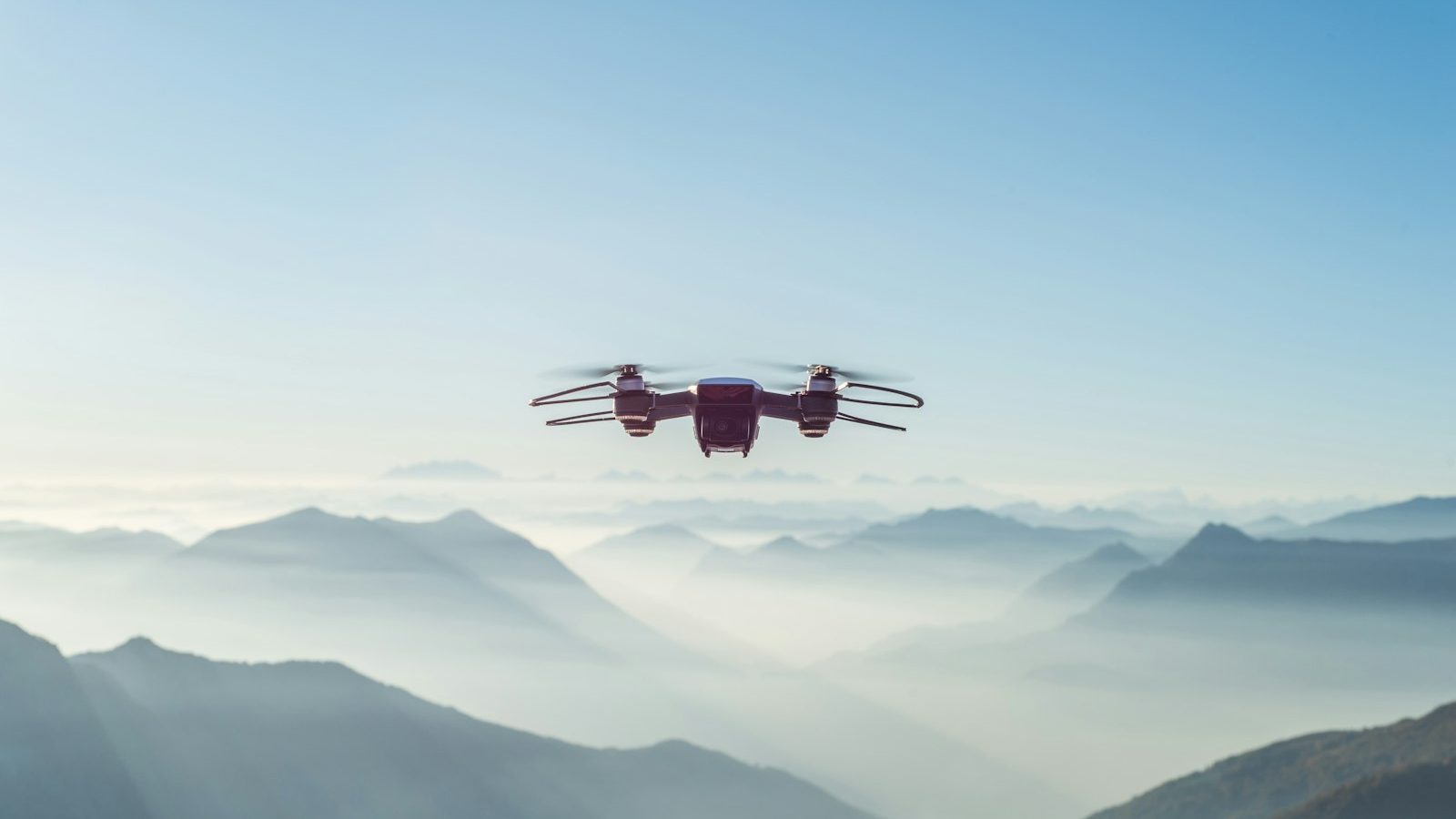
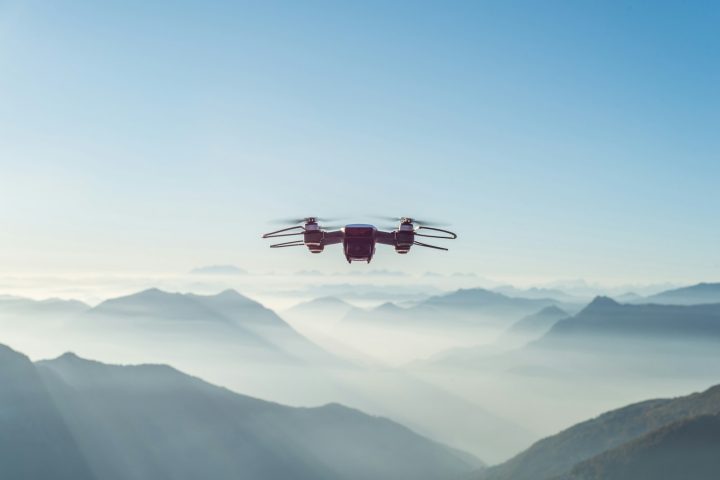
Photo: @asoggetti via Unsplash
In this article
Affiliate disclosure: As an Amazon Associate, RemoteControlCarsBlog may earn from qualifying purchases.
Capture breathtaking aerial photos and cinematic video from the sky. Here’s the deep, plain-English guide to choosing the perfect camera drone — for every budget and skill level.
Few things transform your photography like getting a camera into the sky. A good photography drone See camera drones on Amazon #ad opens up sweeping aerial views, cinematic video, and perspectives that simply aren’t possible from the ground — for landscapes, travel, real estate, weddings, and more.
This deep guide covers everything: what makes a great camera drone, the different tiers from budget to pro, the all-important weight classes, the rules you need to follow, and tips for stunning aerial shots. Let’s take flight. 📸
📋 What’s Inside (Table of Contents)
📸 What Makes a Great Photography Drone?
A photography drone is a flying camera. Unlike a toy drone, it’s built around image quality — pairing a capable camera with a stabilizing gimbal, smart flight features, and enough flight time to actually compose your shots. The best ones let you capture professional-looking aerial photos and smooth cinematic video with surprising ease.
The heart of any camera drone is its camera and gimbal. The camera’s sensor size and resolution determine image quality (bigger sensors gather more light for better photos, especially in low light), while a 3-axis mechanical gimbal keeps footage buttery smooth by counteracting the drone’s movement. Around that, features like obstacle avoidance, GPS, long flight time, and intelligent shooting modes make capturing great images easier and safer.
In short, the best photography drone for you balances image quality, ease of use, flight time, and portability — at a price that fits your budget and ambitions.
A drone doesn’t just give you a higher vantage point — it gives you a whole new way of seeing. The most ordinary scene can become extraordinary from above. 📸
🔍 What to Look For
For most photographers, the priorities are a good sensor, a 3-axis gimbal, 4K video, solid flight time, and obstacle avoidance. Serious shooters will also want a larger sensor, RAW and flat color profiles, and longer range. And don’t overlook weight — staying under 250 grams can dramatically simplify the rules you have to follow.
🎚️ Drone Tiers & Types
Camera drones come in clear tiers. Here’s how to match one to your needs and budget.
A budget/beginner drone is a fantastic, affordable start. The prosumer sub-250g tier is the sweet spot for many — serious image quality with lighter regulations. Enthusiast models add bigger sensors and telephoto lenses, while pro drones deliver the ultimate quality for paid work. See beginner camera drones on Amazon #ad
⚖️ The Sub-250g Advantage
One number matters more than almost any other when buying a drone: its weight. Drones that weigh under 250 grams sit in a special, lighter-regulated category in many countries. In the US, for example, drones under 250 grams flown recreationally don’t need to be registered with the FAA, whereas heavier drones do.
That’s a big deal, because modern sub-250g drones are no longer compromises — many pack genuinely excellent cameras, gimbals, and even obstacle avoidance into that featherweight class. For a lot of photographers, a top sub-250g drone hits the perfect balance of image quality and minimal red tape. Just remember that lighter rules don’t mean no rules — you still must fly responsibly and follow the laws that apply to all drones.
🛰️ The Current Drone Landscape
In camera drones, one name dominates: DJI holds the vast majority of the consumer market, and its lineup spans every tier. Its sub-250g Mini series ranges from the budget-friendly Mini 4K up to the prosumer Mini 4 Pro and Mini 5 Pro (with a larger sensor). The Air series — like the Air 3S with its 1-inch sensor and telephoto lens — is the enthusiast sweet spot, while the flagship Mavic 4 Pro offers a multi-camera Hasselblad system for professionals.
There are strong alternatives too: Autel (such as the EVO Lite+ and compact EVO Nano+) competes directly with DJI, and self-flying drones like the HoverAir X1 series excel at easy selfies and vlogging. See popular camera drones on Amazon #ad
📋 Rules & Responsible Flying
Owning a drone comes with real responsibilities. Rules vary by country and change over time, so always check the current regulations where you live and fly. As a general guide, here’s what typically applies.
The golden rules: fly within sight, away from airports and crowds, at a sensible height, and with respect for people’s privacy. Check whether your drone needs registration and Remote ID, and whether you need a knowledge test, before your first flight. Flying for paid work usually requires a proper commercial license. Responsible flying keeps the hobby open and enjoyable for everyone.
🎒 Accessories You’ll Want
A few extras dramatically improve the drone photography experience. The most valuable is spare batteries — since flight times are limited, a couple of extra packs turn a short outing into a full shoot. A set of ND (neutral density) filters is a photographer favorite, helping you control exposure and get smoother, more cinematic video in bright light.
Round it out with a fast, high-capacity memory card for all that footage, a protective carrying case for safe travel, and spare propellers (they’re the part most likely to break). See drone accessories on Amazon #ad Many of these aren’t included in the box, so factor them into your budget.
🎨 Drone Photography Tips
Great gear is only half the story — these techniques help you capture stunning aerial images.
- Shoot at golden hour. The soft, warm light just after sunrise and before sunset makes aerial photos look magical.
- Use the top-down view. Pointing the camera straight down reveals striking patterns, shapes, and symmetry you can’t see from the ground.
- Shoot in RAW. If your drone supports it, RAW files give you far more flexibility to edit colors and recover detail.
- Try panoramas and intelligent modes. Built-in panorama and tracking modes make advanced shots easy and consistent.
- Mind composition. The rule of thirds, leading lines, and natural framing work from the air just like on the ground.
- Fly smoothly for video. Slow, gentle movements look far more cinematic than fast, jerky ones.
The best drone photographers aren’t just pilots — they’re storytellers who happen to shoot from the sky. Master light and composition, and even an affordable drone can produce breathtaking images. 📸
⚠️ Common Mistakes (and Easy Fixes)
Mistake 1: Ignoring the rules.
Flying illegally risks fines and danger. Fix: Learn and follow your local drone laws first.
Mistake 2: Buying only one battery.
Short flight times cut shoots short. Fix: Get spare batteries from the start.
Mistake 3: Overbuying for your needs.
A pro drone is overkill for casual use. Fix: Match the tier to how you’ll actually shoot.
Mistake 4: Flying in bad weather.
Wind and rain cause crashes. Fix: Fly in calm, dry conditions, especially as a beginner.
Mistake 5: Skipping the practice flights.
Diving into hard shots leads to crashes. Fix: Practice basic flying in an open space first.
🔥 Pro Tips
- Consider sub-250g first. The lighter rules and excellent modern cameras make it the easiest, most flexible way in.
- Prioritize the sensor. For image quality, sensor size matters more than megapixel count alone.
- Budget for the full kit. Batteries, filters, a card, and a case are part of the real cost.
- Update firmware before flying. Keeping the drone and app updated improves safety and performance.
- Use an app to check airspace. Apps and maps show no-fly zones so you always fly somewhere legal.
💬 Real-Life Examples
❓ Frequently Asked Questions
What makes a good drone for photography?
The key ingredients are a quality camera with a decent sensor, a 3-axis mechanical gimbal for smooth, sharp images, good flight time, a stable transmission range, and helpful features like obstacle avoidance and intelligent shooting modes. Portability and weight also matter, especially staying under 250 grams for lighter rules.
How much should I spend on a photography drone?
You can get a genuinely capable beginner drone for a few hundred dollars, while enthusiast models with bigger sensors cost more, and professional flying cameras run well over a thousand. Match your budget to your goals, and remember to factor in accessories like spare batteries. Always check current prices, as they change.
Why does the 250-gram weight matter?
In many countries, drones under 250 grams fall into a lighter-regulated category. In the US, for instance, sub-250g drones flown recreationally don’t need FAA registration, while heavier ones do. Since modern sub-250g drones have excellent cameras, this class is a popular sweet spot of quality and minimal red tape.
Do I need to register my drone or follow rules?
Often, yes — rules vary by country and change over time. Heavier drones typically need registration and may need to broadcast a Remote ID, recreational flyers may need a basic safety test, and everyone must follow rules like keeping the drone in sight, avoiding airports and crowds, and respecting privacy. Always check your local regulations first.
Is 4K enough, or do I need higher resolution?
For the vast majority of photographers and creators, 4K video and the high-resolution photos that come with it are more than enough. Higher resolutions like 5.4K or 6K, plus flat color profiles like D-Log, mainly benefit professionals who need maximum detail and editing flexibility for paid work.
What’s the best drone brand for photography?
DJI dominates the consumer camera drone market with a strong lineup at every tier, which is why it’s the most popular choice. Autel is a notable alternative, and self-flying drones like the HoverAir series are great for easy selfies. The best brand for you depends on your budget, needs, and what’s available in your region.
✅ Final Thoughts
Choose the best photography drone in five steps:
- 📸 Match the tier to your skill and budget.
- 📸 Prioritize the camera, gimbal, and flight time.
- 📸 Consider a sub-250g model for lighter rules.
- 📸 Budget for batteries, filters, and a case.
- 📸 Learn the rules and fly responsibly.
Bottom line: the best photography drone is the one that matches how you shoot — an affordable 4K model to start, a sub-250g prosumer drone for quality with minimal red tape, or a flagship flying camera for professional work. Prioritize the camera and gimbal, factor in the accessories, learn your local rules, and fly responsibly. Do that, and you’ll unlock a whole new dimension in your photography. 📸🚁
More remote-control fun in our guides on
the best RC cars,
beginner RC cars, and
RC batteries.

admin
Our editors are RC drivers first: every guide is written by someone who has owned, broken and rebuilt the category they cover. No paid placements, no fabricated ratings.