Can You Drive an RC Car in the Rain?

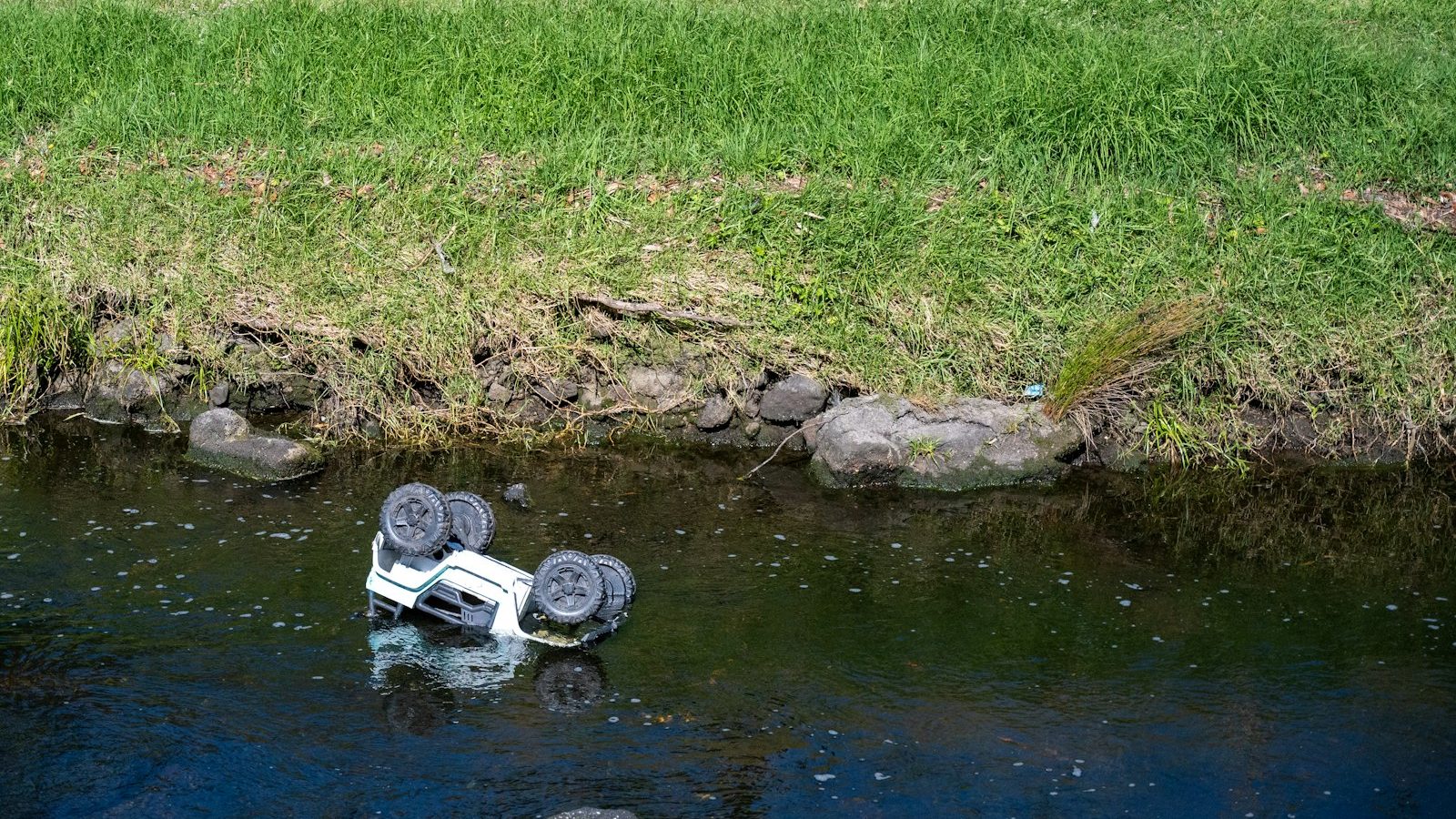
Photo: @jonnyclow via Unsplash
In this article
Affiliate disclosure: As an Amazon Associate, RemoteControlCarsBlog may earn from qualifying purchases.
The sky opens up mid-run — can you keep driving? The honest answer is “it depends,” and getting it wrong can fry your electronics or quietly rust your car. Here’s the complete, real-world guide.
It’s one of the most common questions in RC: can you drive in the rain? The answer depends entirely on your car. Many hobby-grade models are built to be water-resistant See water-resistant RC cars on Amazon #ad and shrug off a little rain, while others should stay firmly indoors.
This deep guide gives you the real-world answer: which cars can handle wet weather, what’s actually at risk, how to prepare, and — most importantly — what to do afterward to prevent damage. Let’s clear up the confusion. 🌧️
📋 What’s Inside (Table of Contents)
- The short answer
- Water-resistant vs. waterproof
- Can your car handle the rain?
- What’s at risk in the rain
- The real danger: corrosion
- How to prepare for wet driving
- Driving smart in the rain
- The most important part: drying after
- Toy-grade & nitro warnings
- What about snow & cold?
- Common mistakes (and fixes)
- Pro tips
- FAQ
- Final thoughts
🌧️ The Short Answer
Yes — if your car is built for it. Many hobby-grade RC cars have water-resistant electronics (a sealed speed controller, receiver, and servo) and can happily handle light rain, wet grass, and puddles. Toy-grade cars and any model with unsealed electronics, on the other hand, should stay out of the wet entirely.
But there are two big catches. First, “water-resistant” is not the same as “submersible” — splashing through a puddle is fine, driving into a pond is not. Second, and most importantly, the real damage usually happens after the run: if you don’t dry and maintain your car, water left inside causes rust and corrosion over the following days. Drive smart, and dry thoroughly, and wet running can be perfectly safe.
Most “water damage” isn’t drowning — it’s neglect. The car usually survives the rain just fine; it’s the rust that creeps in over the next week, because nobody dried it, that does the real harm. 🌧️
💧 Water-Resistant vs. Waterproof
This is the distinction that trips everyone up, so let’s nail it.
When a manufacturer says a car is “waterproof,” they almost always mean water-resistant: it can take rain and splashes, but it is not designed to be driven underwater. Even sealed electronics can let water in if fully submerged, and other parts like bearings and the battery aren’t sealed at all. Treat every RC car as water-resistant at best unless you’ve specifically built it to be submersible.
🚗 Can Your Car Handle the Rain?
Many hobby-grade trucks from major brands ship with water-resistant electronics and are happy in light rain and puddles — check your manual or the maker’s specs to confirm. Unsealed hobby cars can be made wet-ready with some waterproofing work. Toy-grade cars and nitro engines, however, really don’t belong in the rain, and no RC car should be fully submerged unless it’s a purpose-built submersible.
⚠️ What’s at Risk in the Rain
The immediate danger is water reaching unsealed electronics and causing a short. But the sneakier, longer-term threats are corrosion and rust in the motor, bearings, connectors, and metal parts. A brushless motor handles damp far better than a brushed one, and sealed electronics protect the brains — but bearings and hardware still need drying and oiling after every wet run.
🦠 The Real Danger: Corrosion
Here’s the thing most people get wrong: your car almost always survives the run itself. It drives home wet but working, and it seems fine. The damage shows up days later, when water trapped inside the bearings, motor, gears, and around metal hardware quietly turns to rust and corrosion.
That’s why the single biggest factor in wet-weather RC isn’t how you drive — it’s what you do afterward. Water damage is overwhelmingly a problem of neglect, not of getting wet. Dry and maintain your car properly after a wet run and it can run in the rain for years; leave it wet in the garage and you’ll be replacing rusty bearings and a corroded motor before long.
🛠️ How to Prepare for Wet Driving
A little prep turns a fair-weather car into a wet-weather warrior:
- Confirm it’s water-resistant. Check the manual; if not, waterproof it before going out.
- Seal the receiver. A waterproof receiver box, or even a simple balloon over it, keeps the most delicate part dry.
- Protect connections with dielectric grease. A dab on battery and plug connectors fends off corrosion.
- Seal the ESC and servo. Use a water-resistant ESC and servo, or seal exposed ones carefully.
- Corrosion-proof the metal. A light water-displacing spray on hardware helps resist rust.
Prefer a brushless setup for wet driving, since it copes with damp better than a brushed motor. A dedicated waterproofing kit makes sealing quick and tidy. See RC waterproofing kits on Amazon #ad
🎮 Driving Smart in the Rain
Once your car is ready, drive with the conditions in mind. Avoid deep water — puddles are fine, ponds and streams are not, and never let the car go fully under. Expect less traction on wet, slick surfaces, so ease off the throttle and take corners gently, and remember that visibility is worse in the rain, so keep the car close and in sight.
Keep the battery and its connections as dry as you can, and be mindful of where you drive — losing a car in tall wet grass or a body of water is no fun. A short, controlled wet session is far kinder to your car (and easier to dry afterward) than hours of heavy splashing. See dielectric grease on Amazon #ad
🧽 The Most Important Part: Drying After
This is where you actually protect your car, so never skip it. As soon as you’re done, follow this routine:
Your after-rain drying routine:
- 🔋 Remove the battery first and dry its connectors.
- 🧽 Take off the body and towel down everything inside.
- 💨 Blow out water with compressed air or a blower, especially around electronics, the motor, and crevices.
- ⚙️ Dry and re-oil the bearings and check for water trapped in diffs, gears, and tires.
- 🛡️ Apply a light corrosion-protecting spray to metal parts, then let it all air-dry fully.
It only takes a few minutes, and it’s the difference between a car that runs for years and one that rusts out. Letting it air-dry completely before the next run — ideally overnight — ensures no hidden moisture is left to cause trouble. Think of drying as part of the run, not an optional extra. See corrosion-protection sprays on Amazon #ad
🚫 Toy-Grade & Nitro Warnings
Toy-grade cars — the inexpensive kind from big-box stores — almost never have sealed electronics, so even light rain can short them out. If you’ve got a toy-grade car, keep it dry; the cost of waterproofing it usually isn’t worth it, and it’s not built for the job.
Nitro and gas cars add their own problems: water can get into the engine’s air intake and fuel system, and the metal engine parts are prone to rust. Wet conditions can cause running issues and corrosion, so it’s best to keep combustion-powered cars out of the rain altogether. Electric water-resistant cars are the wet-weather champs.
❄️ What About Snow & Cold?
Snow is just frozen water, so the same rules apply: a water-resistant electric car can have a blast in the snow, but melting snow gets everything just as wet as rain, so the same drying routine is essential afterward. Powder is kinder than slush, and deep snow can bog a car down.
Cold also affects your battery: LiPo packs deliver less power and runtime in low temperatures, so expect shorter runs and gentler performance when it’s freezing. Keep spare batteries warm until you use them, and as always, dry everything thoroughly once you head back inside.
⚠️ Common Mistakes (and Easy Fixes)
Mistake 1: Thinking water-resistant means submersible.
Submersion floods even sealed cars. Fix: Splash through puddles, never drive underwater.
Mistake 2: Not drying the car afterward.
Trapped water rusts everything. Fix: Always do the drying routine after a wet run.
Mistake 3: Driving a toy-grade car in the rain.
Unsealed electronics short out. Fix: Keep toy-grade cars dry.
Mistake 4: Ignoring bearings and connectors.
These rust and corrode quietly. Fix: Dry, oil bearings, and grease connectors.
Mistake 5: Running nitro in the wet.
Water harms the engine and intake. Fix: Save nitro cars for dry days.
🔥 Pro Tips
- Check before you go. Confirm your car is water-resistant in the manual or specs.
- Dry like it matters — because it does. Aftercare prevents almost all water damage.
- Grease your connectors. Dielectric grease is cheap insurance against corrosion.
- Go brushless for the wet. It tolerates damp far better than a brushed motor.
- Keep puddles shallow. Splash, don’t submerge, and keep the car in sight.
❓ Frequently Asked Questions
Can you drive any RC car in the rain?
No — it depends on the car. Many hobby-grade models have water-resistant electronics and can handle light rain and puddles, but toy-grade cars and unsealed models can short out in the wet. Nitro cars should also stay dry, and no car should be fully submerged. Always check whether your specific car is water-resistant before driving it in the rain.
Is a “waterproof” RC car really waterproof?
Usually not in the literal sense. When makers say “waterproof,” they almost always mean water-resistant: able to handle rain, splashes, and puddles, but not full submersion. Even sealed electronics can flood underwater, and parts like bearings and the battery aren’t sealed. Treat your car as water-resistant at best unless it’s a purpose-built submersible.
What actually damages an RC car in the rain?
The immediate risk is water shorting out unsealed electronics. But the bigger, sneakier danger is corrosion and rust that develops afterward in the bearings, motor, connectors, and metal parts if the car isn’t dried. Most water damage is actually from neglect after the run, not the rain itself, which is why thorough drying and maintenance is so important.
How do I dry my RC car after driving in the rain?
Remove the battery and dry its connectors, take off the body and towel everything down, then blow out water with compressed air, especially around electronics, the motor, and crevices. Dry and re-oil the bearings, check for trapped water in diffs and tires, apply a light corrosion-protecting spray to metal, and let it air-dry fully before the next run.
Can I make my RC car waterproof?
You can make a hobby-grade car much more water-resistant. Seal the receiver in a waterproof box or balloon, use or seal a water-resistant ESC and servo, apply dielectric grease to connectors, and treat metal with a corrosion-resistant spray. A brushless motor also helps. This won’t make it submersible, but it lets an unsealed car handle rain and puddles safely.
Can RC cars drive in snow?
Yes, a water-resistant electric car can have great fun in snow, since snow is just frozen water and the same rules apply. Melting snow gets the car wet, so dry it thoroughly afterward exactly as you would after rain. Note that cold weather reduces LiPo battery power and runtime, so expect shorter, gentler runs when it’s freezing.
✅ Final Thoughts
Drive in the rain safely in five steps:
- 🌧️ Confirm your car is water-resistant first.
- 🌧️ Waterproof the electronics if needed.
- 🌧️ Splash through puddles — never submerge.
- 🌧️ Drive gently and keep the car in sight.
- 🌧️ Dry and oil everything thoroughly afterward.
Bottom line: yes, you can drive many RC cars in the rain — as long as yours is water-resistant, you avoid submerging it, and above all you dry it thoroughly afterward. Toy-grade and nitro cars should stay dry, “waterproof” really means water-resistant, and corrosion from skipped drying is the true enemy. Get those things right, and a rainy day becomes a muddy, splashy adventure instead of a costly mistake. Now go make a splash — responsibly. 🌧️🏁
More wet-weather know-how in our guides on
waterproofing your RC car,
cleaning & drying after a wet run,
waterproofing ESCs & motors, and
the best RC cars.

admin
Our editors are RC drivers first: every guide is written by someone who has owned, broken and rebuilt the category they cover. No paid placements, no fabricated ratings.