Best Gas Powered RC Cars


Photo: @jonnyclow via Unsplash
In this article
Affiliate disclosure: As an Amazon Associate, RemoteControlCarsBlog may earn from qualifying purchases.
The roar, the smell, the smoke — gas-powered RC cars bring the raw thrill of a real engine to the hobby. Here’s the deep, plain-English guide to nitro and gas RC, including the honest realities.
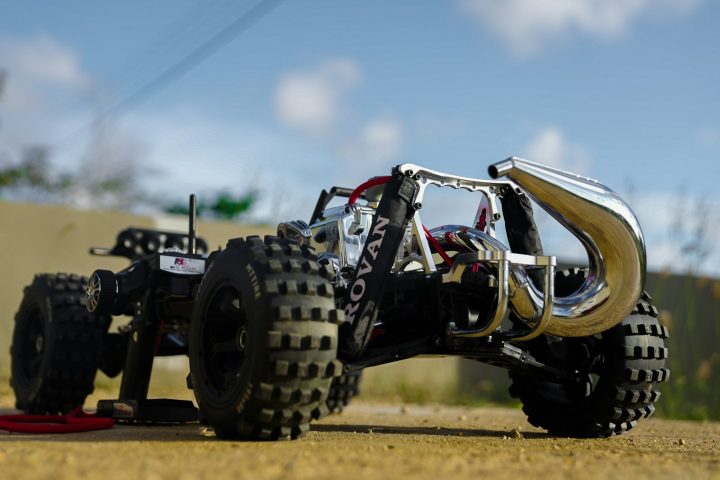
For a certain kind of RC fan, nothing beats the visceral thrill of a real engine — the bark of the exhaust, the haze of blue smoke, the smell of fuel. A gas-powered RC car See gas-powered RC cars on Amazon #ad delivers a mechanical, hands-on experience that electric simply can’t replicate.
This deep guide covers everything honestly: what “gas-powered” really means, how nitro and gas differ, how they stack up against electric, what to look for, what you’ll need, and the real maintenance involved. Let’s fire it up. 🔥
📋 What’s Inside (Table of Contents)
🔥 What Are Gas-Powered RC Cars?
“Gas-powered” is the everyday name for RC cars driven by a real combustion engine instead of an electric motor and battery. Rather than charging a pack, you fill a tank, start the engine, and drive — with a working exhaust, real engine note, and the unmistakable smell of fuel.
Under that umbrella there are actually two distinct types, and knowing the difference matters:
- Nitro cars use small glow-plug engines that burn nitro fuel (a methanol-based blend). This is the most common form of engine RC, found in 1/10 and 1/8 scale buggies, truggies, monster trucks, and on-road cars.
- Gas (petrol) cars use larger engines that run on actual gasoline mixed with oil, like a weed-trimmer engine. These are almost always big 1/5 scale machines, because gas engines don’t work well at smaller sizes.
So when people say “gas-powered RC,” they usually mean engine-driven RC in general — most often nitro, with true gas reserved for the giant 1/5-scale rigs.
Electric RC is about convenience and clean speed. Engine RC is about the experience — the sound, the smell, the wrench time. They’re two different kinds of fun, and engine fans wouldn’t trade theirs for anything. 🔥
⭐ Why Choose Gas or Nitro?
In an age of fast, easy electric cars, why do enthusiasts still love engines? Because they offer something special.
- The sound and smell. A revving engine, a barking exhaust, and the scent of fuel make engine RC feel gloriously alive and real.
- Refuel and keep going. When the tank’s empty, you splash in more fuel and you’re driving again in seconds — no waiting to recharge.
- The tuning craft. Dialing in the engine and chassis is a deeply satisfying skill that makes the car truly yours.
- Mechanical realism. A real powerband, clutch, and exhaust make these feel like miniature full-size vehicles.
- Big-scale presence. Large gas rigs are imposing, powerful machines with road-going torque and a commanding feel.
⚖️ Nitro vs. Gas vs. Electric
Here’s the honest, side-by-side picture of the three power types so you can choose with clear eyes.
The bottom line: electric has become the easy, fast, low-fuss default, and it’s the best starting point for most newcomers. Nitro and gas ask more of you — fuel, tuning, cleanup, and noise — but reward you with an authentic engine experience that their fans adore. Neither is “better”; they’re different hobbies that happen to share a remote.
🔍 What to Look For
First decide nitro or gas (which usually means choosing your scale), then whether you want a ready-to-run car or a kit to build. Favor well-supported brands so parts are easy to find, and check the start system so you know what’s involved in firing it up. See nitro RC cars on Amazon #ad
🏆 Types & Top Platforms
Engine RC comes in distinct flavors. Here’s how the main categories compare, with the kinds of platforms each is known for.
In nitro, names like Traxxas, Kyosho, Losi, HPI, Tekno, Team Associated, and Redcat are well known, spanning race buggies and truggies to monster trucks. In gas 1/5, the legendary HPI Baja (5B buggy and 5T truck) and the premium Losi 5IVE-T lead the field, with the Redcat Rampage offering a budget-friendly entry. See 1/5 scale gas RC cars on Amazon #ad
🧰 What You’ll Need to Get Started
Unlike an electric car, an engine RC needs some support gear before its first run. This is part of the hobby, so factor it into your budget.
- Fuel. Quality RC nitro fuel for nitro cars, or the correct gasoline-and-oil mix for gas cars.
- A glow igniter (nitro). This heats the glow plug to start the engine; many include a charger.
- A fuel bottle. For mess-free refueling at the track or field.
- After-run oil. Essential for protecting the engine between sessions.
- Basic tools. For tuning, plug changes, and the inevitable trackside fixes.
- Receiver batteries. The electronics still need power even though the engine drives the car.
Some ready-to-run cars bundle a starter kit; otherwise you’ll buy these separately. See nitro fuel & starter gear on Amazon #ad
🔧 Tuning & Maintenance
Here’s where engine RC asks the most of you — and where its devotees find the most reward. A new engine needs a careful break-in following the manufacturer’s instructions to seat its components, after which you’ll tune the carburetor to get it running cleanly (engines can even need small tweaks for different weather).
Ongoing, the key habits are: use only fresh, quality fuel; clean the air filter after dirty sessions; run after-run oil through the engine before storing it; keep an eye on the glow plug (nitro) or spark plug (gas); set proper gear mesh; and keep the chassis clean of dirt and fuel residue. None of it is hard once you’ve learned it, but it’s real, hands-on work that electric drivers never face. Embrace it as part of the experience and your engine will reward you with years of reliable power.
👤 Who It’s For
Engine RC isn’t for everyone, and that’s okay. It’s perfect for people who love engines and machines, who enjoy tinkering and tuning as much as driving, who want the authentic sound and refuel-and-go experience, and who don’t mind a bit of mess and maintenance.
It’s less ideal as an absolute first RC car for a young child or someone who just wants quick, clean, fuss-free fun — for them, a modern electric car is faster to enjoy and far easier to live with. Many people actually start electric, fall in love with the hobby, and then move to nitro or gas later when they’re ready for the deeper, more involved experience.
🛡️ Safety
- 🔥 Handle fuel carefully. Fuel is flammable — keep it away from flames and sparks, and store it sealed in a cool, safe place out of children’s reach.
- 🔥 Mind the heat. Engines and exhausts get very hot and can burn you — let the car cool before handling those parts.
- 🔥 Run in open, ventilated areas. Engines produce exhaust fumes, so always run outdoors, never indoors.
- 🔥 Keep fingers clear. Stay away from the spinning flywheel, clutch, and drivetrain while the engine runs.
- 🔥 Supervise and respect others. Keep bystanders and pets at a distance, drive in safe open spaces, and follow local rules.
Treated with the same common sense you’d give any small engine, gas and nitro RC cars are a safe, hugely rewarding hobby.
⚠️ Common Mistakes (and Easy Fixes)
Mistake 1: Expecting plug-and-play.
Engine RC needs setup and tuning. Fix: Learn the basics first, or start electric.
Mistake 2: Skipping engine break-in.
Rushing ruins a new engine. Fix: Follow the break-in instructions exactly.
Mistake 3: Forgetting after-run oil.
Engines corrode in storage. Fix: Always run after-run oil before putting it away.
Mistake 4: Running it indoors.
Fumes and noise make that unsafe. Fix: Only run in open, ventilated outdoor spaces.
Mistake 5: Using old or wrong fuel.
Bad fuel causes poor running. Fix: Use fresh fuel made for your engine type.
🔥 Pro Tips
- Pick a well-supported platform. Popular models mean easy parts, setups, and a community to learn from.
- Learn to tune early. Understanding your carburetor settings is the single biggest skill for happy engine running.
- Keep fuel fresh. Buy what you’ll use and store it sealed; stale fuel causes headaches.
- Build a small toolkit. A glow igniter, fuel bottle, after-run oil, and basic tools should always be in your bag.
- Find others nearby. Local tracks and clubs are gold for tuning help and shared engine know-how.
💬 Real-Life Examples
❓ Frequently Asked Questions
What’s the difference between nitro and gas RC cars?
Nitro cars use small glow-plug engines that burn methanol-based nitro fuel, and they’re common across 1/10 and 1/8 scale. Gas cars use larger engines that run on actual gasoline mixed with oil, and they’re almost always big 1/5 scale, since gas engines don’t perform well at smaller sizes. People often say “gas-powered” to mean either.
Are gas-powered RC cars faster than electric?
Not necessarily. Modern electric setups are extremely fast and often match or beat nitro on top speed. The appeal of engine RC isn’t usually raw speed but the experience: the sound, the smell, the refuel-and-go convenience, and the mechanical feel. Large gas rigs do offer impressive torque and long runtimes.
Are nitro or gas RC cars good for beginners?
They can be, but they’re more involved than electric, with fuel, tuning, and maintenance to learn. Many people start with an easy electric car and move to nitro or gas later. If you’re set on starting with engine RC, choose a well-supported ready-to-run model and be ready to learn the basics of tuning and care.
How much maintenance do they need?
A fair amount. You’ll break in a new engine, tune the carburetor, clean the air filter after dirty runs, use after-run oil before storage, watch the glow or spark plug, and keep the chassis clean. It’s not difficult once learned, but it’s real hands-on work that electric cars don’t require.
Can I run a gas or nitro RC car indoors?
No. Engine RC cars produce exhaust fumes and a lot of noise, and their engines and exhausts get very hot, so they should only be run outdoors in open, well-ventilated areas. Always handle fuel away from flames, let hot parts cool before touching them, and keep bystanders at a safe distance.
What’s a good brand for gas-powered RC cars?
In nitro, well-known names include Traxxas, Kyosho, Losi, HPI, Tekno, Team Associated, and Redcat. In large-scale gas, the HPI Baja and premium Losi 5IVE-T lead the field, with the Redcat Rampage as a budget entry. The best choice depends on your scale, budget, and the parts support available where you live.
✅ Final Thoughts
Choose the right gas or nitro RC car in five steps:
- 🔥 Decide nitro (most scales) or gas (big 1/5).
- 🔥 Be honest about the maintenance you’ll embrace.
- 🔥 Pick a well-supported, parts-rich platform.
- 🔥 Budget for fuel and starter gear.
- 🔥 Learn break-in, tuning, and safe fuel handling.
Bottom line: gas-powered RC cars offer something electric never will — the roar, smell, and hands-on soul of a real engine. They ask for more in return: fuel, tuning, cleanup, and care. But for enthusiasts who love machines, that involvement is the whole point. Decide between nitro and gas, choose a well-supported platform, gather your starter gear, learn the basics, and run it safely outdoors — and you’ll discover one of the most rewarding, characterful corners of the entire RC world. 🔥🏁
More engine-powered know-how in our guides on
nitro fuel for RC cars,
the best RC cars,
RC bashers, and
beginner RC cars.

admin
Our editors are RC drivers first: every guide is written by someone who has owned, broken and rebuilt the category they cover. No paid placements, no fabricated ratings.