Best RC Car Transmitter & Receiver

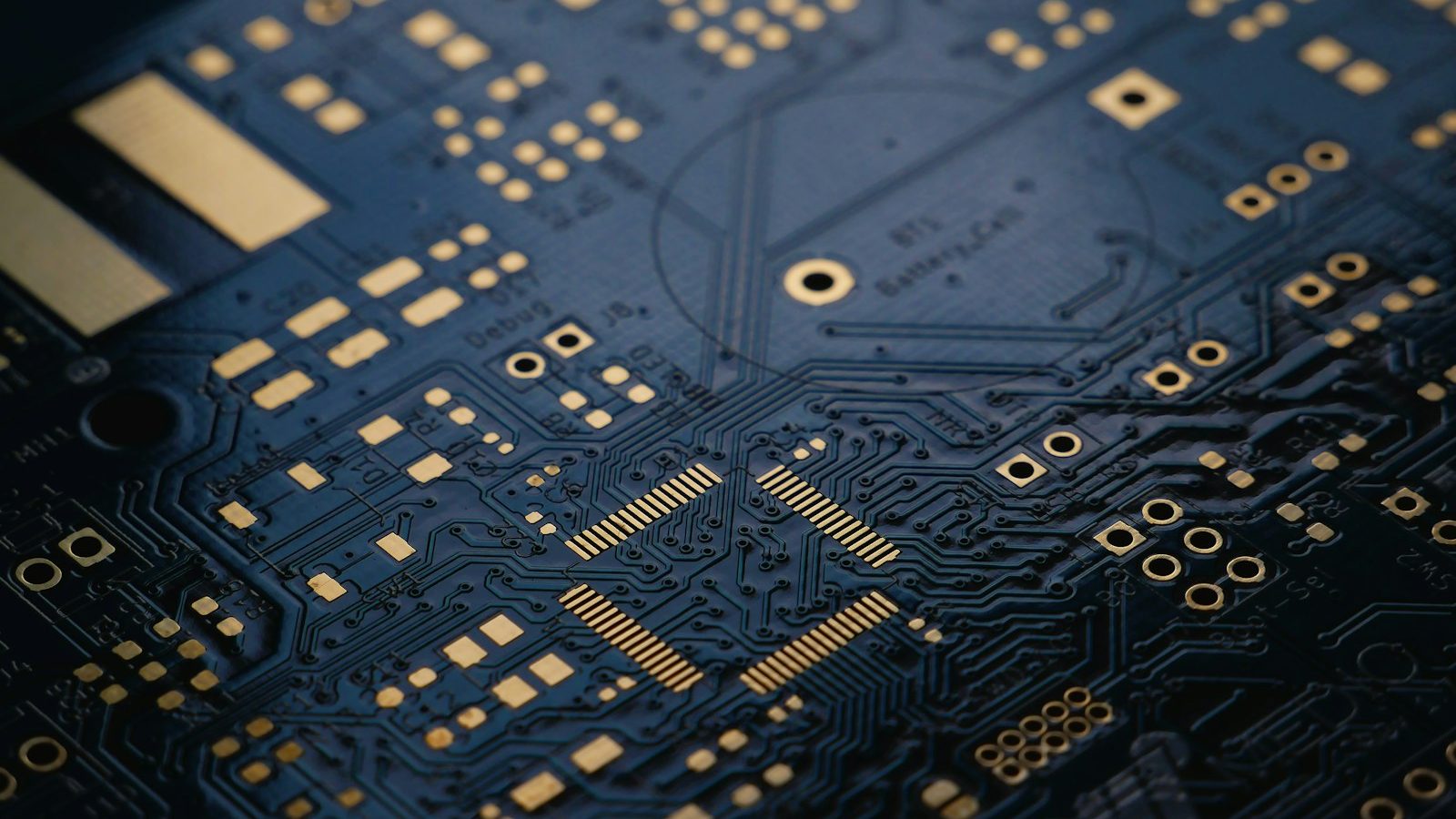
Photo: @vishnumaiea via Unsplash
In this article
Affiliate disclosure: As an Amazon Associate, RemoteControlCarsBlog may earn from qualifying purchases.
Your radio is the only thing standing between you and your car — every steering correction and throttle input flows through it. Here’s the deep, plain-English guide to choosing the right transmitter and receiver.
It’s the most overlooked upgrade in RC: people spend a fortune on motors and batteries while ignoring the one thing they actually hold. A good RC transmitter and receiver See RC radio systems on Amazon #ad gives you sharper control, more features, and a better feel for every corner and jump.
This deep guide covers everything: what the transmitter and receiver do, the features that matter, how many channels you need, the all-important compatibility rule, the top brands, and how to choose. Let’s tune in. 📡
📋 What’s Inside (Table of Contents)
📡 What Are the Transmitter & Receiver?
Together, the transmitter and receiver are your car’s radio system — the wireless link that turns your hand movements into action. The transmitter (often just called the radio or controller) is the unit you hold; it has a steering wheel and a throttle trigger. The receiver is a small box inside the car that picks up the transmitter’s signal and tells the steering servo and speed controller what to do.
They’re often sold together as a combo, or the transmitter can be bought on its own with receivers added separately. Every ready-to-run car comes with a basic radio system included, which works fine to start — but it’s also one of the most rewarding things to upgrade, because better radios give you more precise control and useful extra features.
Think about it: every input you make passes through the transmitter before it reaches the car. It’s the single most important point of contact in the whole hobby — and the one most people forget to upgrade. 📡
⭐ Why Your Radio Matters
- Precision and feel. A good radio responds instantly and smoothly, so the car does exactly what you intend.
- Tuning features. Adjustments like dual rates and trims let you fine-tune steering and throttle to your style.
- Extra functions. More channels can run lights, a second speed, or other accessories.
- Multiple cars. Model memory lets one radio store settings for your whole fleet.
- Comfort. Better ergonomics make long sessions far more pleasant and accurate.
🔍 What to Look For
For any modern car, you want a 2.4 GHz hobby-grade radio with enough channels, good range and response, and the programmability to dial it in. Telemetry and model memory are excellent bonuses, ergonomics matter more than people expect, and — crucially — your receiver must be compatible with your transmitter. See pistol-grip transmitters on Amazon #ad
🔢 How Many Channels Do You Need?
A “channel” is one function the radio controls. Here’s what different channel counts give you.
Most RC cars only need two channels — steering and throttle — so a basic radio is plenty for many drivers. You’ll want more channels if you plan to run accessories like working lights, a winch, or a two-speed transmission, which is common on scale crawlers and detailed builds. Buy for what you’ll actually use, with maybe one spare channel for the future.
⚖️ Pistol-Grip vs. Stick
For RC cars, the pistol-grip (wheel) transmitter is the overwhelming standard — the steering wheel and trigger feel natural and give precise, intuitive control. Stick transmitters are mainly used for aircraft and drones, though a few car drivers prefer them. Unless you have a specific reason otherwise, choose a pistol-grip radio for driving.
📥 Understanding the Receiver
The receiver is the quiet half of the system — a small unit in the car that catches the transmitter’s signal and relays it to the servo and speed controller. The most important thing to know is compatibility:
Beyond compatibility, receivers vary in their number of channels (match it to your transmitter and needs), their size (tiny micro receivers exist for small cars), and whether they support telemetry or built-in stability/gyro features. A failsafe — which safely stops the car if the signal is lost — is an important safety feature to look for. You’ll bind (pair) the receiver to the transmitter once, and then they’re linked. See RC receivers on Amazon #ad
🎛️ Programming Features Explained
Hobby-grade radios let you fine-tune how the car responds. These adjustments sound technical but are simple and genuinely useful:
- Dual rate: limits how far the steering turns, taming a twitchy car for smoother control.
- End-point adjustment (EPA): sets the maximum travel of steering and throttle to match your car.
- Trim: centers the steering so the car drives straight with no input.
- Exponential (expo): softens response around center for finer control at speed.
- Reversing: flips a channel’s direction if the steering or throttle works backwards.
- Model memory: saves all these settings per car, so switching vehicles is instant.
You don’t need to master these on day one — but as you grow, they transform a car from twitchy to planted and let one radio serve your whole collection.
📊 Telemetry
Telemetry is a feature where the car sends live data back to your transmitter as you drive. With the right telemetry-capable receiver and sensors, you can monitor things like battery voltage, signal quality, and motor or ESC temperature right on the radio, often with alerts that buzz when something needs attention.
For most bashers, battery voltage is the single most useful reading — it warns you before you over-discharge an expensive pack. Racers value the extra data for fine-tuning. Telemetry isn’t essential, but it’s a genuinely handy feature that protects your gear and is worth having if your budget allows.
🏆 Top Radio Brands
A handful of brands dominate RC car radios, each with a reputation:
- Spektrum — hugely popular and beginner-friendly, with the well-loved DX5 series, easy programming, and strong telemetry options.
- Futaba — a premium, racing-proven name known for superb feel and responsiveness in models like the 4PL.
- Sanwa — premium Japanese radios prized by racers for precision and excellent ergonomics.
- FlySky — the value champion, offering capable 2.4 GHz radios at very friendly prices, plus higher-end Noble models.
- Traxxas & Radiolink — Traxxas radios come with their cars and offer easy telemetry, while Radiolink packs lots of features (and gyro receivers) for the money.
Whichever you choose, buying the transmitter and a matching receiver together as a complete radio combo #ad is the easiest way to guarantee they’re compatible out of the box.
🎯 How to Choose
Start by deciding how serious you are. For casual bashing, the radio that came with your car is fine, and any quality 2.4 GHz pistol-grip upgrade will feel great. If you’re getting serious — racing, scale building, or running several cars — prioritize response, programmability, telemetry, and model memory.
Then pick a brand ecosystem and stick with it so your receivers always match, choose enough channels for your needs, and make sure it feels good in your hands. For many drivers, a mid-range pistol-grip radio from a well-supported brand like Spektrum, Futaba, Sanwa, or FlySky — bundled with a compatible receiver — is the sweet spot of feel, features, and value.
🔗 Binding & Care Tips
Getting a new radio running is straightforward. You’ll bind the receiver to the transmitter once — usually a quick button or bind-plug process described in the manual — and from then on they’re paired. Set your trims and end points so the car drives straight and uses its full steering, and check the failsafe works before driving hard.
To keep things reliable, always power the transmitter on first and off last, keep its batteries fresh (a low transmitter battery is dangerous, as you can lose control), and store the radio somewhere cool and dry. A few good habits keep your control rock-solid every run.
⚠️ Common Mistakes (and Easy Fixes)
Mistake 1: Mixing radio brands.
Most receivers won’t bind to another brand’s transmitter. Fix: Match your receiver to your radio’s protocol.
Mistake 2: Buying too few channels.
You can’t add that winch or lights later. Fix: Count the functions you’ll run first.
Mistake 3: Ignoring ergonomics.
An uncomfortable radio hurts your driving. Fix: Hold it (or read reviews) before buying.
Mistake 4: Letting the transmitter battery die.
A flat radio means losing control. Fix: Keep fresh batteries and heed low-battery alerts.
Mistake 5: Buying old AM/FM gear.
It’s obsolete and prone to interference. Fix: Always choose modern 2.4 GHz.
🔥 Pro Tips
- Pick an ecosystem early. Sticking to one brand keeps every receiver compatible.
- Don’t overlook the radio. It’s the cheapest big upgrade to how your car feels.
- Use dual rate to tame a fast car. It makes a twitchy ride instantly more controllable.
- Set trims first, every session. A straight-driving car is far easier to control.
- Get telemetry for battery alerts. It quietly saves your expensive packs.
💬 Real-Life Examples
❓ Frequently Asked Questions
What’s the difference between a transmitter and a receiver?
The transmitter is the controller you hold, with a steering wheel and throttle trigger; it sends your commands as a radio signal. The receiver is a small unit inside the car that catches that signal and tells the steering servo and speed controller what to do. Together they form your car’s radio system, often sold as a combo.
Can I use any receiver with any transmitter?
Generally no. A transmitter and receiver must use the same brand’s radio technology (protocol) to communicate, so a receiver from one brand usually won’t bind to another brand’s transmitter. The simplest approach is to choose one radio ecosystem and buy your receivers to match it, which keeps everything compatible.
How many channels do I need for an RC car?
Most RC cars only need two channels — one for steering and one for throttle — so a basic radio is plenty for typical driving. You’ll want more channels if you plan to run accessories like working lights, a winch, or a two-speed gearbox, which is common on scale crawlers. Buy for what you’ll actually use.
Is the radio that came with my car good enough?
For casual driving, yes — the included radio works fine to get started. But upgrading is one of the most rewarding improvements you can make, giving sharper response, better feel, tuning features, telemetry, and model memory. If you’re getting serious about racing, scale building, or running several cars, a better radio is well worth it.
What is telemetry and do I need it?
Telemetry lets the car send live data — like battery voltage, signal quality, and motor temperature — back to your transmitter as you drive. It’s not essential, but it’s genuinely useful: battery voltage alerts help prevent over-discharging expensive packs, and racers value the extra data for tuning. It requires a telemetry-capable receiver and sensors.
What does binding a transmitter and receiver mean?
Binding is the one-time process of pairing your receiver to your transmitter so they communicate only with each other. It’s usually a simple button or bind-plug procedure described in the manual. Once bound, they stay linked, and you can set a failsafe so the car safely stops if it ever loses the signal.
✅ Final Thoughts
Choose the perfect radio in five steps:
- 📡 Choose a 2.4 GHz hobby-grade pistol-grip radio.
- 📡 Pick a brand ecosystem and matching receiver.
- 📡 Get enough channels for your functions.
- 📡 Prioritize feel, programmability, and telemetry.
- 📡 Bind it, set trims and failsafe, and enjoy.
Bottom line: the transmitter and receiver are the most important link in your whole RC setup, yet they’re the easiest upgrade to overlook. Choose a quality 2.4 GHz pistol-grip radio, stick to one brand ecosystem so your receivers always match, get the channels and features you need, and make sure it feels great in your hands. Do that, and every steering correction and throttle stab will land exactly the way you intend — which is what control is all about. 📡🏁
More gear know-how in our guides on
RC upgrades,
the best RC car parts,
RC racing cars, and
the best RC cars.

admin
Our editors are RC drivers first: every guide is written by someone who has owned, broken and rebuilt the category they cover. No paid placements, no fabricated ratings.