Best RC Car Parts & Upgrades (2026)

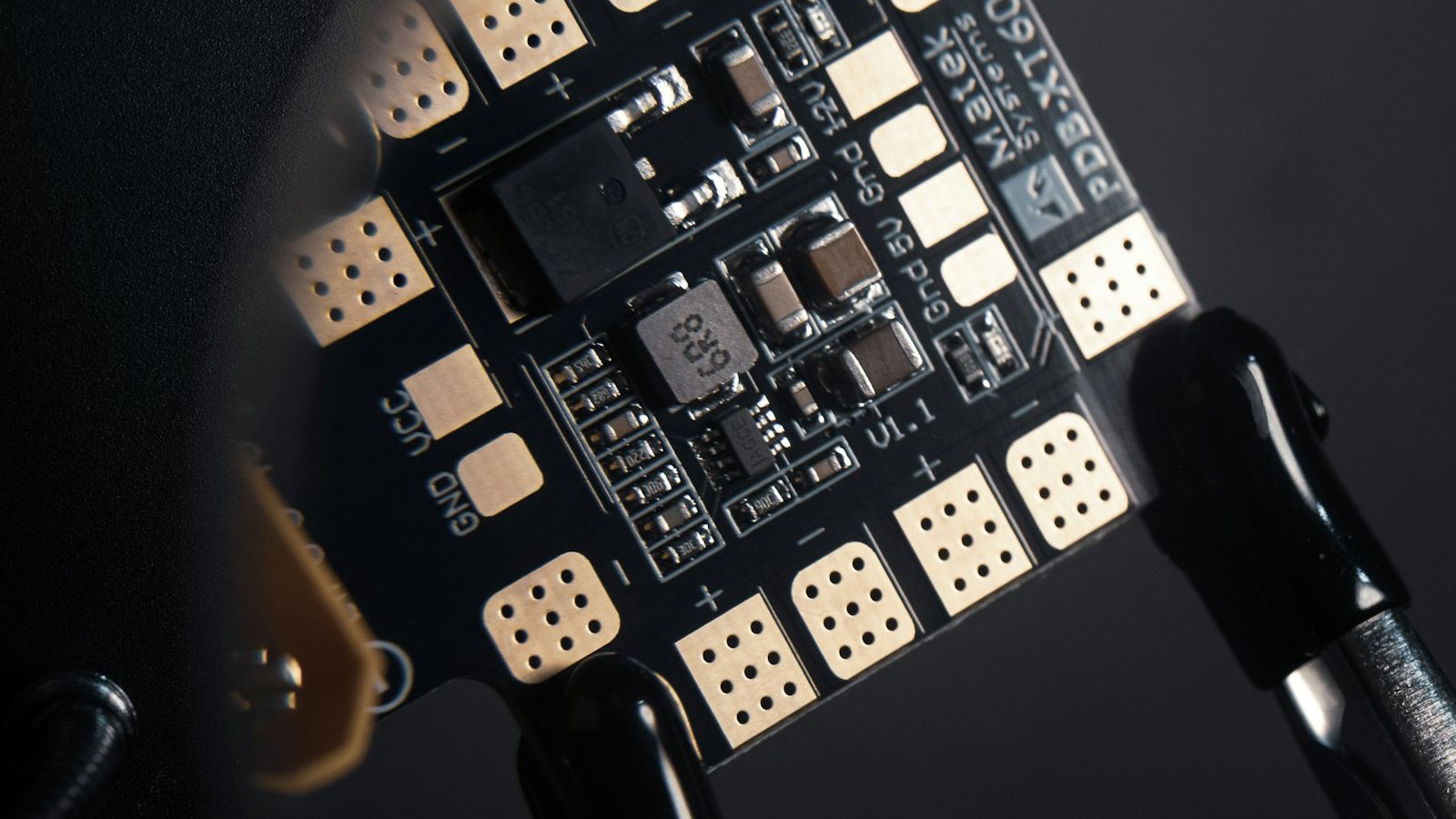
Photo: @asphotographypics via Unsplash
In this article
Affiliate disclosure: As an Amazon Associate, RemoteControlCarsBlog may earn from qualifying purchases.
RC cars are built to be taken apart, fixed, and made better — that’s half the fun. Here’s the deep, plain-English guide to the parts that keep your car running and turn it into something special.
One of the best things about RC is that the cars are made to be worked on. When something breaks, you fix it; when you want more, you upgrade it. The right RC car parts See RC car parts on Amazon #ad keep your car alive for years and let you tune it to drive exactly how you want.
This deep guide covers everything: the main part categories, stock versus upgrade parts, the best first upgrades, the golden rule of buying parts, and the brands to know. Let’s open the toolbox. 🔧
📋 What’s Inside (Table of Contents)
- Why RC car parts matter
- The main part categories
- Stock vs. upgrade parts
- Best first upgrades
- Drivetrain & power parts
- Suspension & chassis parts
- Tires & wheels
- Bearings & hardware
- The golden rule: match your exact car
- OEM vs. hop-up brands
- Tools you’ll need
- Common mistakes (and fixes)
- FAQ
- Final thoughts
🔧 Why RC Car Parts Matter
Parts are central to the RC hobby for three reasons. First, repairs: RC cars crash, and things break — having the right replacement part means a quick fix instead of a dead car. Second, upgrades: swapping stock components for better ones can add speed, durability, and handling. Third, customization: parts let you make a car uniquely yours, in both performance and looks.
For many people, wrenching on the car becomes a hobby within the hobby — as satisfying as driving it. And it’s practical, too: a well-supported car you can repair and upgrade will keep running for years, while one you can’t get parts for ends up in a drawer. Understanding parts is what turns a disposable toy into a long-term machine.
In RC, a broken part isn’t the end — it’s just the next thing to fix. The cars that last are the ones you can keep alive, and that’s entirely down to parts. 🔧
🧩 The Main Part Categories
An RC car is a collection of systems. Here are the main groups of parts and what they do.
Together these systems make up the whole car. Some parts are wear-and-break items you’ll replace regularly (tires, driveshafts, arms), while others are upgrades you choose to improve performance. Knowing which group a part belongs to helps you prioritize your spending. See RC upgrade parts on Amazon #ad
⚖️ Stock vs. Upgrade Parts
Parts come in two broad flavors: genuine replacements and aftermarket upgrades. Here’s the difference.
For a straightforward repair, genuine parts are the safe, easy choice — they fit perfectly and cost less. Hop-up parts (often anodized aluminum, hardened steel, or carbon fiber) can add strength, performance, and a pop of color. One important nuance: aluminum isn’t automatically better than plastic — it’s stronger but can bend and pass impact force to other parts, so tough plastic is sometimes the smarter choice for heavy bashing.
🥇 Best First Upgrades
If you’re new to upgrading, these give the biggest improvement for the money. Start here.
The smartest early money goes on bearings and tires — both are inexpensive and make an immediate difference. After that, oil-filled shocks dramatically improve handling on cars that ship with basic dampers, and metal wear parts toughen up the spots that break most. A brushless power system is the big-ticket upgrade for serious speed. See RC bearing sets on Amazon #ad
⚙️ Drivetrain & Power Parts
The drivetrain turns battery power into motion. The motor (brushed or brushless) and ESC (speed controller) set how fast and powerful the car is, while gears — the pinion on the motor and the spur it drives — let you tune the balance between top speed and acceleration. Differentials, driveshafts, and axles deliver that power to the wheels and are common wear-and-break items on hard-driven cars.
When upgrading power, remember everything has to work together: a hotter motor needs a capable ESC and a battery your system supports, and changing gear sizes affects both speed and how hard the motor works. Tune in small steps and keep an eye on heat, and never exceed what your electronics are rated for.
🛠️ Suspension & Chassis Parts
Suspension is where handling lives. Oil-filled shocks and the right springs control how the car soaks up bumps and lands jumps, and they’re one of the most rewarding areas to upgrade or tune. Suspension arms, towers, and turnbuckles set the geometry and take a beating in crashes, so they’re frequent replacements.
The chassis ties it all together, with bumpers and skid plates protecting it from impacts. This is the area where the aluminum-versus-plastic debate matters most: aluminum looks great and resists bending, but durable molded plastic (from brands known for tough parts) often survives big hits better by flexing instead of snapping or transferring shock. Choose based on whether you’re chasing precision or pure bash-proof durability.
🛞 Tires & Wheels
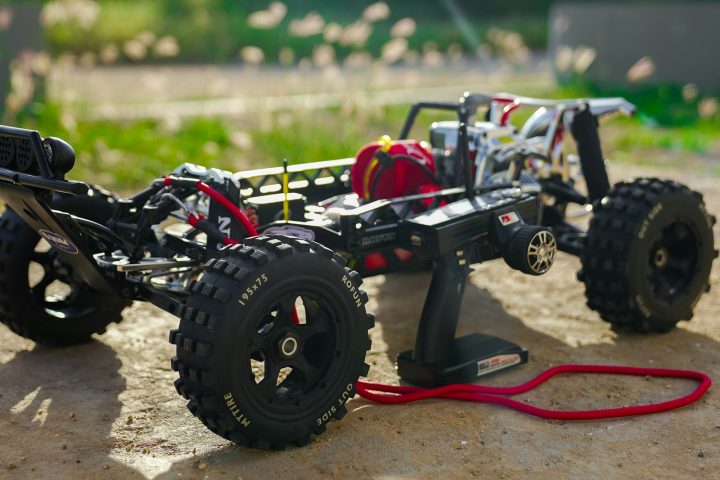
If there’s one upgrade that punches above its price, it’s tires. They’re the only part that actually touches the ground, so the right tires for your surface transform grip, acceleration, and control more than almost anything else. Off-road treads dig into dirt and grass, while slicks grip pavement — matching the tire to where you drive is key.
Tires usually come with foam inserts that support the tire and shape how it behaves, and they mount on wheels (rims) that come in different sizes and styles. Because tires wear out, they’re a regular purchase — and experimenting with different compounds and treads is a fun, affordable way to dial in your car. See RC tires & wheels on Amazon #ad
🔩 Bearings & Hardware
Don’t overlook the small stuff. If your car came with plastic bushings instead of ball bearings, a bearing kit is one of the cheapest, most satisfying upgrades you can make — the car rolls smoother, runs cooler, and even gains a touch of speed and runtime. Quality bearings are a no-brainer.
The rest of the hardware — screws, pins, e-clips, and hex adapters — keeps everything together, and it’s worth keeping spares on hand since small fasteners love to disappear in the grass. Upgraded steel hardware and screw sets resist stripping and rust, and brass hex adapters can even add a little weight for extra grip on crawlers. Little parts, big difference.
📍 The Golden Rule: Match Your Exact Car
This is where many beginners trip up. A part that fits one truck won’t necessarily fit a similar-looking one, even from the same brand. Reputable parts (genuine and aftermarket alike) clearly list the exact vehicles they fit, so check that list carefully.
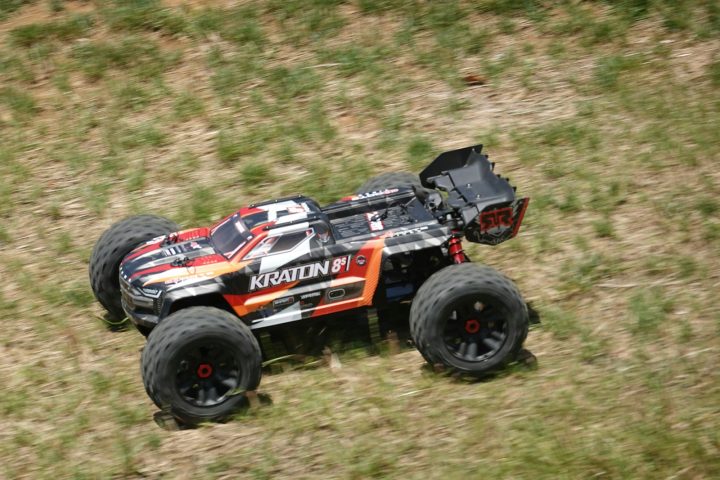
It’s also why parts support varies hugely by brand. Popular brands like Traxxas and Arrma have parts available almost everywhere, which is a massive long-term advantage — you can keep the car running for years. Lesser-known or no-name cars can be impossible to source parts for, turning a small break into the end of the road. Strong parts support is one of the best reasons to buy a well-known brand in the first place.
🏆 OEM vs. Hop-Up Brands
For genuine replacements, you’ll buy from your car’s maker — Traxxas, Arrma, Axial, Losi, Team Associated, Tamiya, Kyosho, and so on. For aftermarket upgrades, a whole world of specialist brands awaits:
- RPM — famous for incredibly tough molded parts (bumpers, arms) that flex instead of breaking.
- GPM Racing & Hot Racing — huge ranges of anodized aluminum, hardened steel, and carbon hop-ups for most popular vehicles.
- Yeah Racing, Treal & INJORA — popular for aluminum and brass upgrades, especially for crawlers and scale rigs, at a range of prices.
- Pro-Line — a leading name for tires, wheels, and bodies.
- Castle Creations, Tekin, Holmes Hobbies & Hobbywing — respected for motors and speed controllers.
🧰 Tools You’ll Need
Working on parts means having the right tools. The essentials are a set of quality hex (Allen) drivers in the sizes your car uses, plus nut drivers, small pliers, and a cross wrench for wheel nuts. A few extras — thread-lock for screws that rattle loose, a soldering iron for connectors, and a small parts tray so nothing gets lost — make the job much easier.
Good tools that fit precisely prevent stripped screws and stripped patience. If you’re getting serious about repairs and upgrades, a basic RC tool kit is a worthwhile early purchase that pays for itself the first time it saves a stuck screw.
🎯 How to Choose Parts
Start by identifying your exact car — brand, model, and version — so you only buy parts that fit. For repairs, decide between a genuine part (easy and cheap) or a tougher hop-up for a spot that keeps breaking. For upgrades, prioritize the best-value improvements first (bearings, tires, shocks) before chasing big-ticket power.
Buy from reputable brands, match any electronic upgrades to your existing system, and keep a small stock of common wear parts so a break never ends your day. Above all, upgrade for how you drive: a basher wants durability, a racer wants tuning, and a scale fan wants realism — let your style guide every purchase.
⚠️ Common Mistakes (and Easy Fixes)
Mistake 1: Buying parts that don’t fit your car.
Similar-looking isn’t the same. Fix: Confirm the part lists your exact model.
Mistake 2: Choosing a car with no parts support.
A break can be fatal. Fix: Buy well-supported brands like Traxxas or Arrma.
Mistake 3: Assuming aluminum is always best.
It can bend and pass on impact. Fix: Use tough plastic where bash durability matters.
Mistake 4: Over-gearing or over-volting.
It overheats and damages electronics. Fix: Stay within your system’s ratings.
Mistake 5: Ignoring cheap wins like bearings.
You’re leaving easy gains on the table. Fix: Do bearings and tires first.
🔥 Pro Tips
- Keep a spares kit. Stock the parts that break most so a crash never ends your session.
- Do bearings and tires first. They’re the best bang for your buck, every time.
- Save your manual and parts diagram. They make ordering the right part effortless.
- Upgrade one thing at a time. You’ll actually feel the difference and learn what works.
- Use thread-lock on metal screws. Vibration loves to shake them loose.
💬 Real-Life Examples
❓ Frequently Asked Questions
How do I know which parts fit my RC car?
Parts are model-specific, so you need to match them to your exact car — the brand, model, and often the specific version. Reputable genuine and aftermarket parts clearly list the vehicles they fit, so always check that the part names your car before buying. Keeping your manual and parts diagram handy makes this easy.
What are the best first upgrades for an RC car?
Ball bearings and better tires give the most improvement for the least money — bearings make the car smoother and faster, and the right tires transform grip. After that, oil-filled shocks greatly improve handling, metal parts toughen up weak spots, and a brushless motor and ESC are the big upgrade for serious speed.
Are aluminum upgrade parts always better than plastic?
Not always. Aluminum looks great and resists bending, but it can pass impact force to other parts or bend in a big crash. Tough molded plastic from brands known for durable parts often survives heavy bashing better by flexing. Choose aluminum for precision and looks, and strong plastic where bash-proof durability matters most.
What’s the difference between genuine and hop-up parts?
Genuine (OEM) parts come from your car’s maker, match the original, fit perfectly, and are usually cheaper — ideal for simple repairs. Aftermarket hop-up parts come from specialist brands and are often aluminum, steel, or carbon, designed to add strength, performance, or looks. Both have their place depending on whether you’re repairing or upgrading.
Why is brand parts support so important?
Because a car you can’t get parts for becomes useless the moment something breaks. Popular brands like Traxxas and Arrma have parts available almost everywhere, so you can keep the car running for years. No-name cars often have no parts support, which is a major reason to choose a well-known brand from the start.
What tools do I need to work on RC car parts?
The essentials are a set of quality hex (Allen) drivers in your car’s sizes, plus nut drivers, small pliers, and a cross wrench for wheel nuts. Thread-lock, a soldering iron for connectors, and a parts tray are helpful extras. Good tools that fit precisely prevent stripped screws, so a basic RC tool kit is a worthwhile early purchase.
✅ Final Thoughts
Master RC car parts in five steps:
- 🔧 Always match parts to your exact car.
- 🔧 Buy well-supported brands for easy spares.
- 🔧 Do bearings and tires first for the best value.
- 🔧 Use metal or tough plastic where each makes sense.
- 🔧 Keep a spares kit and the right tools handy.
Bottom line: parts are what make RC a lasting, rewarding hobby rather than a disposable toy. Learn your car, match parts to it exactly, buy from well-supported brands, and start with the cheap, high-impact upgrades like bearings and tires. Fix what breaks, improve what you can, and customize it to your style — and your RC car will keep running, keep getting better, and keep being fun for years. 🔧🏁
More build-and-tune know-how in our guides on
RC upgrades,
RC tools,
RC tires, and
the best RC cars.

admin
Our editors are RC drivers first: every guide is written by someone who has owned, broken and rebuilt the category they cover. No paid placements, no fabricated ratings.