Best FPV Racing Drones

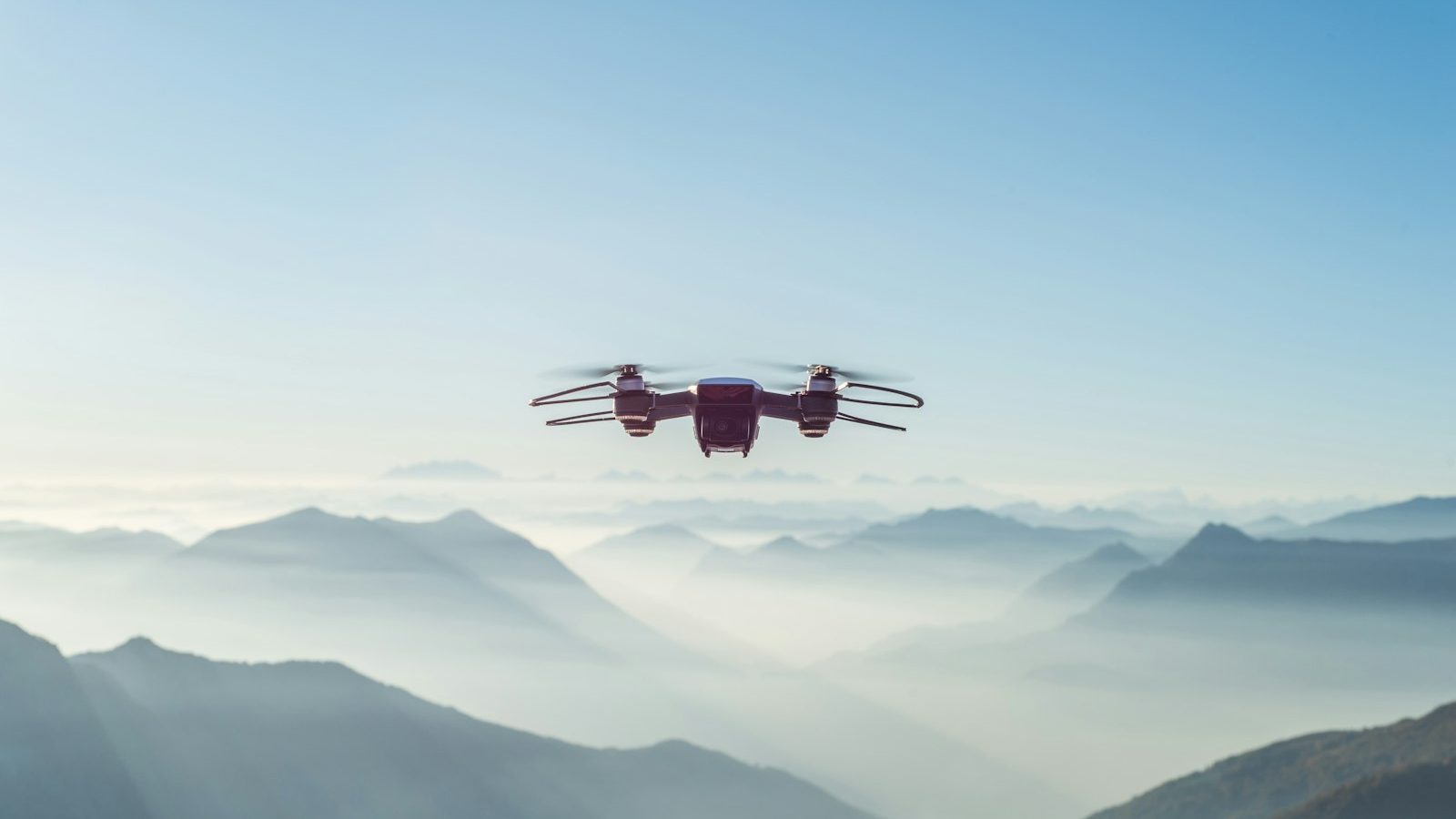
Photo: @asoggetti via Unsplash
In this article
Affiliate disclosure: As an Amazon Associate, RemoteControlCarsBlog may earn from qualifying purchases.
Forget slow, hovering camera drones — FPV racing drones are the fighter jets of the RC world: tiny, brutally fast quads you fly in first-person through goggles. Here’s the deep, plain-English guide to getting into drone racing.
Drone racing is one of the most thrilling things in all of RC: you wear goggles, see through the drone’s eyes, and rip through gates at over 100 mph. A good FPV racing drone See FPV racing drones on Amazon #ad is your ticket into it — but this is a skill-and-build hobby, so it pays to start the right way.
This deep guide covers everything: what racing drones are, how they differ from camera drones, the key parts, the FPV system, the smart beginner path, the rules you must follow, and the top brands. Let’s get flying. 🚁
📋 What’s Inside (Table of Contents)
- What are FPV racing drones?
- Racing drones vs. camera drones
- Why drone racing is incredible
- The key parts
- Drone sizes & classes
- The FPV system: analog vs. digital
- The radio: ExpressLRS
- Ready-to-fly vs. building your own
- The smart beginner path
- Rules & safety
- Top brands
- Common mistakes (and fixes)
- FAQ
- Final thoughts
🚁 What Are FPV Racing Drones?
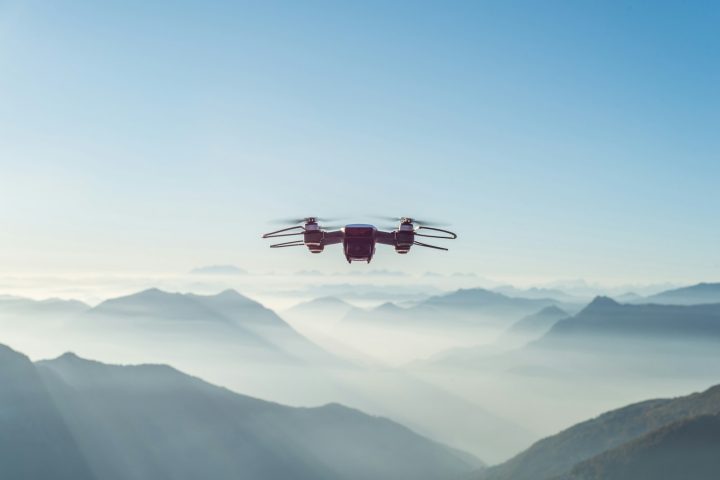
FPV racing drones are small, lightweight, insanely fast quadcopters built for one thing: speed and agility. “FPV” stands for first-person view — you wear goggles that show a live video feed from a camera on the drone, so you fly as if you’re sitting in the cockpit. Pilots race them through courses of gates and flags at speeds that can top 100 mph.
Crucially, these are manual machines. Unlike camera drones that hover and self-level, racing drones fly in “acro” (rate) mode, where you control every movement — flips, rolls, and dives included. That makes them wildly capable but also a real skill to learn. They’re built from carbon fiber to survive crashes, and most pilots tune and repair them as part of the hobby.
Strapping on the goggles for the first time is unforgettable — suddenly you’re not watching a drone, you’re flying it from the inside. That immersion is what hooks people for life. 🚁
⚖️ Racing Drones vs. Camera Drones
This is the most important thing to understand before buying. A racing drone is nothing like a DJI camera drone.
In short, a camera drone flies for you; a racing drone is flown by you. If you want easy aerial photos, get a camera drone. If you want the raw thrill of piloting and racing, an FPV drone is the answer — just go in knowing it’s a skill you’ll build over time.
⭐ Why Drone Racing Is Incredible
- Unreal speed. Racing quads rocket through gates at over 100 mph, with instant, razor-sharp control.
- Total immersion. Through the goggles, you genuinely feel like you’re flying — nothing else compares.
- Deep skill. Mastering manual flight and tuning is endlessly rewarding and always has more to learn.
- A passionate community. Clubs and leagues like MultiGP make it social, welcoming, and competitive.
- You build and own it. Repairing and tuning your own drone is half the fun and a real point of pride.
🔧 The Key Parts
A racing setup is really three purchases: the drone, the goggles, and the radio (plus batteries and a charger). Beginner kits often bundle all three. The drone itself combines a carbon frame, brushless motors, a flight-controller stack running Betaflight firmware, and an FPV camera with a video transmitter that beams the picture to your goggles. See FPV goggles on Amazon #ad
📐 Drone Sizes & Classes
Racing drones come in sizes named after their propeller diameter. Here’s how they compare.
The 5-inch is the classic racing and freestyle workhorse — fast, powerful, and what most competitions use. But beginners are usually best starting with a tiny whoop: it’s small, safe, can be flown indoors, and lets you learn the controls cheaply before stepping up. See tiny whoop kits on Amazon #ad
📺 The FPV System: Analog vs. Digital
The video link between your drone and goggles is the heart of FPV, and it comes in two flavors. Analog is the long-standing, budget-friendly option — cheaper and famously low-latency (important for fast reactions), though the image looks fuzzier. It’s a perfectly good, common way to start.
Digital systems — like DJI’s O3 and O4 air units, Walksnail Avatar, and HDZero — deliver a crisp, high-definition picture, and in 2026 they’ve become the industry standard as their latency has dropped to racing-friendly levels. They cost more and require matching digital goggles, but the clarity is night and day. For racing, either works; pick analog to save money, digital for the best view — just make sure your drone’s video system matches your goggles.
🎮 The Radio: ExpressLRS
Your controller talks to the drone over a radio link, and here the modern standard is clear: ExpressLRS (ELRS). It offers extremely low latency and excellent range for very little money, which is exactly what racers need. A popular, affordable radio paired with an ELRS receiver is the go-to choice for new pilots.
One tip: avoid older radio systems that the hobby has largely moved past — ELRS has become the dominant choice for new builds, so starting there keeps you compatible with the most gear and the most help from the community. Many beginner bundles include a suitable radio, which keeps things simple. See ELRS radios on Amazon #ad
🛠️ Ready-to-Fly vs. Building Your Own
You can buy a racing drone two ways. Ready-to-fly options — including all-in-one beginner kits and “bind-and-fly” (BNF) drones that just need your radio bound to them — let you get airborne fast with a proven, pre-tuned setup. This is the right path for almost everyone starting out.
Building your own from parts is a beloved part of the hobby, but it involves soldering, flashing firmware, and choosing compatible components — best tackled after you’ve learned to fly and know what you want. The common, sensible advice is simple: learn to fly first, then build later if the hobby sticks. There’s no rush, and a good BNF will serve you well in the meantime.
🚦 The Smart Beginner Path
Here’s the path that saves the most money and frustration:
- Start in a simulator. FPV sims are cheap and let you crash endlessly for free while learning manual flight — this step is non-negotiable.
- Get a tiny whoop kit. An all-in-one whoop, radio, and goggles bundle lets you fly safely indoors.
- Practice acro mode. Build real stick skills rather than relying on self-leveling.
- Step up to a 5-inch BNF. Once you’re comfortable, move to a proper racing quad.
- Join a community like MultiGP. Local chapters offer tracks, events, and tons of friendly help.
The single biggest mistake beginners make is skipping the simulator and crashing an expensive drone on day one. Sim time is the cheapest, fastest way to get good — pros still use them. Follow this path and you’ll progress quickly and affordably.
🛡️ Rules & Safety
Fly legally and safely — this matters:
- 🚁 Register if required. In the US, drones over 250g must be registered with the FAA, and Remote ID rules apply — check your country’s regulations.
- 🚁 Use a spotter for FPV. Because goggles block your real-world view, a visual observer keeping eyes on the drone is required in many places and is always wise.
- 🚁 Fly at proper locations. Use approved fields, club sites, or MultiGP tracks, away from people, airports, and restricted areas.
- 🚁 Handle LiPo batteries safely. Charge with care, never unattended, and store them properly.
- 🚁 Respect others. Keep clear of crowds and follow all local laws and field rules.
Drone rules vary by country and change over time, so always check the current regulations where you live before flying. Done responsibly, FPV racing is a safe, exhilarating hobby with a strong culture of looking out for one another.
🏆 Top Brands
A handful of brands dominate the FPV world:
- iFlight — hugely popular for its Nazgul line of well-tuned, durable 5-inch racing and freestyle quads.
- GEPRC — another top maker of excellent BNF racers and cinematic quads like the Mark and CineLog series.
- BetaFPV — the go-to for beginners, with all-in-one whoop kits (like the Cetus) that include the drone, radio, and goggles.
- EMAX — known for affordable, beginner-friendly drones such as the Tinyhawk series.
- RadioMaster, Walksnail & DJI — RadioMaster for excellent ELRS radios, and Walksnail and DJI for the leading digital FPV systems and goggles.
🎯 How to Choose
For your first purchase, keep it simple and proven. Start with a beginner whoop kit that bundles the drone, goggles, and radio, and pair it with simulator practice. Decide between analog (cheaper, low-latency) and digital (clearer) video based on your budget, and make sure your drone and goggles use the same system. Choose an ELRS radio so you’re on the modern standard.
When you’re ready to step up, a well-tuned 5-inch BNF from a brand like iFlight or GEPRC is the sweet spot for racing — durable, fast, and supported by a big parts ecosystem. See 5-inch BNF drones on Amazon #ad Buy for where you are now, lean on the community, and let your gear grow with your skills.
⚠️ Common Mistakes (and Easy Fixes)
Mistake 1: Skipping the simulator.
You’ll crash an expensive drone instantly. Fix: Put in sim hours first — they’re free crashes.
Mistake 2: Building your own drone first.
Soldering and tuning overwhelm beginners. Fix: Start with a BNF or beginner kit.
Mistake 3: Ignoring the rules.
Registration and spotter rules are real. Fix: Check FAA/local laws and use a spotter.
Mistake 4: Mismatching video gear.
Analog drones need analog goggles. Fix: Match your drone’s system to your goggles.
Mistake 5: Buying a 5-inch as your very first drone.
It’s fast and fragile for a newbie. Fix: Learn on a whoop, then step up.
🔥 Pro Tips
- Log serious simulator time. It’s the cheapest skill you’ll ever buy.
- Learn acro from the start. Relying on self-leveling holds your flying back.
- Buy plenty of spares. Props and a few parts mean a crash doesn’t end your day.
- Go ELRS. It’s the modern standard for range, latency, and compatibility.
- Find your local MultiGP chapter. Nothing speeds up learning like flying with others.
💬 Real-Life Examples
❓ Frequently Asked Questions
What’s the difference between a racing drone and a camera drone?
A racing drone is a fast, agile quad flown manually in first-person through goggles, built for speed and piloting skill. A camera drone like a DJI is stabilized, self-leveling, and GPS-assisted for easy aerial photos and video. Racing drones have a steeper learning curve but offer unmatched thrill and immersion; camera drones are easy out of the box.
What’s the best FPV drone for beginners?
A tiny whoop kit that bundles the drone, goggles, and radio — like those from BetaFPV — is the ideal start. It’s small, safe, flyable indoors, and affordable, letting you learn the controls before stepping up. Pair it with simulator practice, then graduate to a 5-inch bind-and-fly racer from a brand like iFlight or GEPRC.
Do I really need a simulator first?
Yes — it’s the most important tip in the hobby. FPV simulators are cheap and let you crash endlessly for free while you learn manual acro flying. Skipping the sim and learning on a real drone usually means destroying expensive gear on day one. Even pro pilots train in simulators, so put in the hours before you fly.
Should I choose analog or digital FPV?
Analog is cheaper and has very low latency, making it a fine, common starting point, though the image is fuzzier. Digital systems like DJI and Walksnail give a crisp HD picture and have become the 2026 standard as latency improved, but cost more and need matching goggles. For racing either works — just make sure your drone and goggles use the same system.
Do I need to register an FPV racing drone?
It depends on weight and country. In the US, drones over 250g must be registered with the FAA, and Remote ID rules apply. Because FPV goggles block your real-world view, a visual spotter is also required in many places. Rules change over time, so always check the current regulations where you live and fly at approved locations.
Should I build my own drone or buy one ready to fly?
Buy ready-to-fly to start. Beginner kits and bind-and-fly (BNF) drones get you airborne fast with a proven, pre-tuned setup. Building from parts involves soldering, flashing firmware, and picking compatible components — best done after you’ve learned to fly and know what you want. The common advice is to learn first, then build later if the hobby sticks.
✅ Final Thoughts
Get into drone racing in five steps:
- 🚁 Start in a simulator to learn manual flight.
- 🚁 Get a beginner whoop kit with goggles and radio.
- 🚁 Choose analog or digital FPV and an ELRS radio.
- 🚁 Step up to a 5-inch BNF when you’re ready.
- 🚁 Follow the rules and join a community like MultiGP.
Bottom line: FPV racing drones deliver a thrill nothing else in RC can match — the pure, immersive rush of piloting a 100-mph machine from the inside. It asks more of you than an easy camera drone, but that’s the point: the skill, the building, and the community are the reward. Start in a simulator, learn on a whoop, fly by the rules, and step up when you’re ready. Strap on the goggles, and welcome to the cockpit. 🚁🏁
More flying & FPV know-how in our guides on
drones for photography,
FPV RC cars,
RC racing cars, and
the best RC cars.

admin
Our editors are RC drivers first: every guide is written by someone who has owned, broken and rebuilt the category they cover. No paid placements, no fabricated ratings.