Designing & Building Scale RC Boat Models


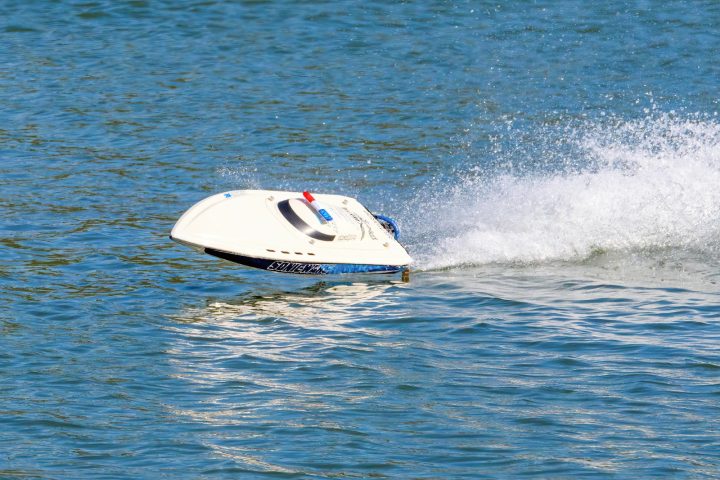
Photo: @cool_guy_jon via Unsplash
In this article
Affiliate disclosure: As an Amazon Associate, RemoteControlCarsBlog may earn from qualifying purchases.
Scale RC boat modeling is where craftsmanship meets the water — a realistic miniature of a real vessel, detailed down to the rivets, that genuinely sails. It’s a slower, deeper art than speed boating. Here’s the complete guide.
If a speedboat is about the thrill of the throttle, a scale model boat See scale boat kits on Amazon #ad is about the joy of craftsmanship — recreating a real vessel in miniature, detailed and weathered until it looks like the genuine article gliding across the pond.
This deep guide covers the whole art: choosing a subject and scale, the ways scale hulls are built, the design-and-build process, and the detailing and scale realism that bring a model to life. Let’s set sail into modeling. ⚓
📋 What’s Inside (Table of Contents)
⚓ What Is Scale RC Boat Modeling?
Scale RC boat modeling is the art of building a realistic, working miniature of a real vessel — a tugboat, a fishing trawler, a sailing yacht, a warship, a cargo ship. The whole point is accuracy and detail: the model is a faithful replica, built to a specific scale, that captures how the real boat looks and moves. Speed is beside the point; realism is everything.
That makes it a very different pursuit from racing a speedboat. Scale boats use slow, stable displacement hulls and move at gentle, lifelike speeds, and much of the joy is in the craftsmanship — shaping the hull, building the superstructure, painting and weathering, and adding tiny fittings. It’s part engineering, part art, and deeply rewarding.
A speedboat asks “how fast can it go?” A scale model asks “how real can it look?” The reward isn’t a rooster tail — it’s the double-take when someone can’t tell your model from a photo of the real ship. ⚓
⭐ Why Build Scale Models?
- Craftsmanship. Building and detailing a model is a deeply satisfying, skill-building art you can refine for life.
- Realism. There’s nothing like watching a perfect miniature ship cruise as if it were the real thing.
- History. Many modelers recreate vessels they love — historic ships, working boats, or family connections.
- It’s relaxing. Scale building and gentle sailing are calm, meditative, and a wonderful antidote to a busy life.
- Pride of ownership. A finished scale model is a showpiece you built with your own hands.
🚢 Choosing Your Subject
The first big decision is what to model. The subject sets the whole tone of your project.
For a first scale model, a tugboat is the classic recommendation — its chunky, stable hull is forgiving, it sits beautifully in the water, and there’s plenty of detail to enjoy without being overwhelming. Fishing boats and harbor craft are similarly friendly, while large warships and ocean liners are rewarding but ambitious projects best saved for when you have some experience. See RC tugboat kits on Amazon #ad
📐 Choosing a Scale
“Scale” is the ratio between your model and the real vessel — 1/24 means the model is one twenty-fourth the size of the original. It affects size, detail, and how the boat behaves.
Bigger scales are generally easier and more stable, with more room for detail and electronics and better behavior in a breeze — the main downside is they take up space and can be heavy to carry. Smaller scales are portable and economical but demand finer, more delicate detailing. For a first model, a larger scale is usually the friendliest choice.
🛠️ How Scale Boats Are Built
A kit is by far the easiest way to start: it gives you a ready hull and the main parts, so you focus on assembly, fitting the running gear, and detailing. Plank-on-frame wood building is the traditional craft — beautiful and deeply rewarding, but demanding. Fiberglass hulls are popular for bigger boats, and 3D printing is an increasingly common modern route for hulls and tiny fittings. Most newcomers begin with a kit and branch out later.
🧭 The Design & Build Process
However you build, the journey follows a familiar arc:
- Choose your prototype and gather references. Pick the real vessel and collect photos and plans.
- Pick a scale and source a kit or plans. Decide the size, then get the hull and drawings.
- Build the hull. Assemble or construct it, keeping it true and watertight.
- Install the running gear. Fit a scale-appropriate motor, shaft, propeller, and rudder for gentle, realistic speed.
- Add the superstructure. Build the cabins, deck, funnels, and masts.
- Detail and finish. Paint, weather, and add fittings, railings, and rigging.
- Ballast to the waterline. Add weight so the model sits exactly as the real ship does.
- Waterproof, test, and launch. Seal the electronics, float-test for leaks and trim, then sail gently.
The mechanical side — motor, shaft, rudder, waterproofing, and cooling — works just like any RC boat, so lean on a general build guide for those steps. What makes scale modeling special is everything around them: accuracy, detailing, and getting the realism right.
🎯 Scale Realism: The Secret
Here’s the thing that separates a convincing scale model from a toy that happens to look like a ship — and it surprises most newcomers. The biggest secret is scale speed: real ships move slowly and majestically, so a scale model should too. A tugboat that planes across the pond at 30 mph instantly looks wrong; the same hull cruising gently looks utterly real.
Get those three right — speed, waterline, and weathering — and even a modestly detailed model will look astonishingly real on the water. They matter more than any single fancy fitting, and they’re what experienced modelers obsess over.
🎨 Detailing & Finishing
Detailing is where a model truly comes alive, and it’s the part many modelers love most. A careful paint job in the right colors is the foundation, followed by weathering — washes, dry-brushing, and subtle rust and stains — to give the boat a lived-in, working look. This is the difference between “nice model” and “wow.”
Then come the fittings: railings, portholes, hatches, winches, anchors, lifeboats, and rigging, often added with photo-etched metal parts or 3D-printed details. Work patiently and reference photos of the real vessel constantly. The fittings and finish are slow, absorbing work — and the payoff is a model that rewards close inspection. See scale boat fittings on Amazon #ad
💡 Working Features
Many modelers add functioning details that take realism to another level. Scale lighting — navigation lights, cabin lights, floodlights — looks magical at dusk, and a sound system can add an engine rumble or a deep horn blast. On working craft, you can fit operating cranes, winches, or a rotating radar, and some builders even add smoke units for a funnel.
These extras aren’t essential, and it’s wise to add them as your skills grow rather than all at once. But a tugboat that lights up, sounds its horn, and works its towing winch is an unforgettable sight on the water — and a real conversation starter at the lake. See RC boat light & sound kits on Amazon #ad
🌱 Beginner Tips
If you’re new to scale modeling, set yourself up to succeed. Start with a kit rather than scratch-building, choose a forgiving subject like a tugboat or fishing boat, and pick a larger scale that’s stable and easy to work on. Go electric for simple, quiet, reliable power that suits gentle scale speeds perfectly.
Take your time and enjoy the process — scale modeling is a journey, not a race. Build the hull and get it sailing first, then keep adding detail and working features over time. Your first model doesn’t need to be a masterpiece; it needs to teach you the skills to build your next one even better.
⚠️ Common Mistakes (and Easy Fixes)
Mistake 1: Choosing too ambitious a first subject.
A complex battleship can overwhelm a beginner. Fix: Start with a tugboat or fishing boat kit.
Mistake 2: Running it too fast.
Scale speed is slow; fast looks toy-like. Fix: Gear it down and cruise gently.
Mistake 3: Wrong waterline or ballast.
Sitting too high or low ruins realism. Fix: Ballast it to the correct scale waterline.
Mistake 4: Rushing the detailing.
Sloppy paint and fittings show. Fix: Work slowly, weather subtly, reference photos.
Mistake 5: Skipping waterproofing.
Scale boats still flood electronics. Fix: Seal the electronics like any RC boat.
🔥 Pro Tips
- Reference, reference, reference. Photos of the real vessel are your best build guide.
- Slow it down. Scale-correct speed is the single biggest realism boost.
- Weather it gently. A touch of rust and wear beats flawless paint every time.
- Ballast to the waterline. A model that sits right instantly looks real.
- Add working features over time. Get it sailing first, then build in lights and detail.
❓ Frequently Asked Questions
What’s the best scale boat for a beginner?
A tugboat is the classic first scale model. Its chunky hull is stable and forgiving, it sits beautifully in the water, and there’s plenty of satisfying detail without being overwhelming. Fishing boats and harbor craft are similarly beginner-friendly. Start from a kit in a larger scale, and save ambitious subjects like big warships and liners for when you have experience.
What does scale mean for a model boat?
Scale is the ratio between your model and the real vessel — 1/24 means the model is one twenty-fourth the size of the original. Larger scales (like 1/12 to 1/24) are bigger, more stable, and easier to detail but need more storage, while smaller scales are portable but require finer, fiddlier work. A larger scale is usually friendliest for a first model.
Why should a scale boat go slowly?
Because real ships move slowly and majestically, so a realistic model should too. This is called scale speed, and it’s the single biggest secret to a convincing model. A scale tug racing across the pond instantly looks like a toy, while the same boat cruising gently looks utterly real. Gear your model for slow, lifelike movement.
Should I build from a kit or scratch?
For most people, especially beginners, a kit is the best start. It provides a ready hull and the main parts, so you can focus on assembly, running gear, and detailing. Scratch-building from plans — such as traditional plank-on-frame wood — is beautiful and deeply rewarding but demanding. Begin with a kit, learn the skills, then try scratch-building later if it appeals.
How do I make my model look realistic?
Three things matter most: run it at a slow, scale-correct speed; ballast it to sit at the correct waterline like the real ship; and weather it subtly with a little rust, wear, and grime rather than leaving it toy-perfect. Combined with careful paint and fittings and constant reference to photos of the real vessel, these bring a model convincingly to life.
Do scale boats need waterproofing too?
Yes, absolutely. Despite their slow, gentle sailing, scale boats carry the same electronics as any RC boat and water will still find its way inside the hull. Seal the receiver, use a water-resistant speed controller, and protect connections, just as you would on any boat. Always float-test for leaks before trusting your hard-won model on open water.
✅ Final Thoughts
Build a stunning scale model in five steps:
- ⚓ Choose a forgiving subject and a larger scale.
- ⚓ Start from a kit and build the hull true.
- ⚓ Fit scale-appropriate, slow running gear.
- ⚓ Detail, paint, and weather for realism.
- ⚓ Ballast to the waterline, waterproof, and sail gently.
Bottom line: scale RC boat modeling is a beautiful blend of engineering and art, where patience and craftsmanship matter far more than speed. Pick a friendly subject like a tugboat, start from a kit in a generous scale, and pour your care into the detailing, weathering, and scale realism that make a model truly convincing. Run it slow, sit it right, and seal it well — and you’ll launch a miniature ship you’ll be proud of for years. Fair winds. ⚓🌊
More on-the-water know-how in our guides on
building a custom RC boat,
the wooden shrimp boat RC kit,
where to buy RC speed boats, and
the best RC cars.

admin
Our editors are RC drivers first: every guide is written by someone who has owned, broken and rebuilt the category they cover. No paid placements, no fabricated ratings.