Best Materials & Tools for Waterproofing Your RC Car (2026)


Photo: @makabera via Unsplash
In this article
Affiliate disclosure: As an Amazon Associate, RemoteControlCarsBlog may earn from qualifying purchases.
Here’s the point, right up front. Water and electronics don’t mix. One drive through a puddle can fry your receiver, rust your bearings, or kill an electronic speed control. The good news? With the right materials and tools for waterproofing your RC car See options on Amazon #ad, you can protect the parts that matter in about an afternoon — and keep bashing through wet grass, light rain, and shallow puddles with confidence.
In this guide, you’ll learn what actually needs protecting, the best materials and tools for the job, a clear step-by-step method, and the after-run care that keeps your car alive for years. You’ll also learn the one part you should never seal up tight: your battery. Let’s keep your RC running dry. 💧
📋 What’s Inside (Table of Contents)
- Why waterproof your RC car?
- Water-resistant vs. waterproof (the honest truth)
- What actually needs protecting
- Best materials for waterproofing
- Best tools for the job
- Materials at a glance (comparison)
- How to waterproof your RC car (step-by-step)
- After-run care (don’t skip this)
- Common mistakes (and fixes)
- Pro tips
- Real-life examples
- FAQ
- Final checklist
💦 Why Waterproof Your RC Car?
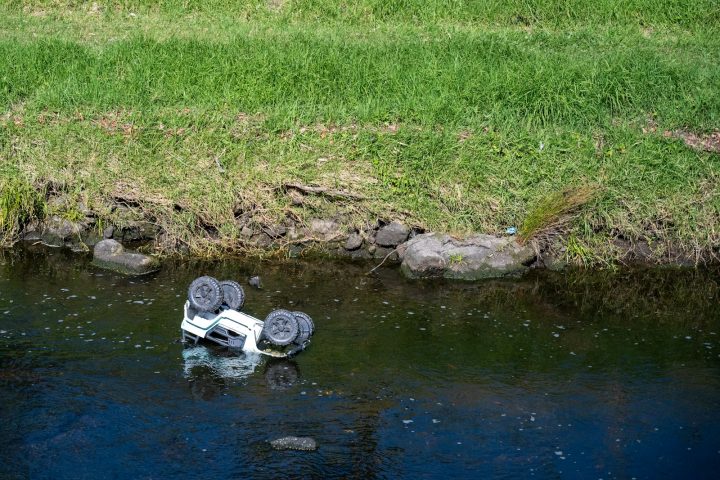
Most RC drivers don’t plan to drive in water — it just happens. You hit a hidden puddle, the grass is wetter than it looked, or a quick rain shower rolls in. Without protection, water reaches the sensitive electronics inside, and that’s where the damage starts.
What goes wrong when water gets in? The receiver can short out and you lose control. The electronic speed control (ESC) can fail mid-run. Metal bearings and screws begin to rust within hours. Connectors corrode, causing weird glitches weeks later. In short, a few seconds of water can lead to days of repairs and real money in replacement parts.
Why bother waterproofing at all? Because it turns your RC car from a fair-weather toy into an all-conditions machine. You get more run days, fewer dead electronics, and far less worry every time the ground is damp. For crawlers and bashers especially, water protection is the difference between exploring a creek bed and bricking your rig on the first splash.
Waterproofing isn’t about driving underwater. It’s about surviving the wet stuff you’ll bump into anyway — and protecting the parts that cost the most to replace. 💧
🧠 Water-Resistant vs. Waterproof (The Honest Truth)
This is the part most guides skip, and it matters. Water-resistant means a part can handle splashes, light rain, and damp grass. Waterproof suggests it can be fully submerged — but in the real world, almost nothing on a hobby RC car is truly submersible without extra work and risk.
When you “waterproof” an RC car, what you’re really doing is making it strongly water-resistant: sealing the electronics so splashes and shallow water can’t reach them. That’s a realistic, achievable goal. Trying to make a car run deep underwater is a different, much harder project — and it usually voids warranties and shortens the life of your gear.
A note on motors: Sealed brushless motors handle water reasonably well, but the bearings still need oil afterward to fight rust. Brushed motors can run wet but wear faster. Either way, water care is about recovery as much as prevention — what you do after a wet run matters just as much as the sealing you do before it.
🔧 What Actually Needs Protecting
You don’t waterproof the whole car — you protect specific parts. Here’s the priority list, from most important to least.
Notice the battery rule. You protect electronics by sealing them, but you protect a battery by keeping it dry and easy to remove. Trapping moisture against a LiPo is dangerous. A loose cover that sheds water — not an airtight seal — is the safe approach.
🏆 Best Materials for Waterproofing
1. Corrosion Inhibitor Spray (like CorrosionX) — Best All-Rounder 🥇
What it is: A thin, water-displacing oil you spray or brush onto circuit boards. It creates a protective film that pushes water off electronics and slows rust. It’s the most loved waterproofing material in the RC world for a reason.
Why it works: It gets into tiny gaps a thick coating can’t reach, and it keeps protecting even after you wipe the surface. Best for: receivers and ESC boards. Who it’s best for: anyone who wants strong protection with little effort. A light coat solves the most common water failures. Check CorrosionX on Amazon #ad
Watch-out: Disconnect power and let it dry before reconnecting. Keep it off rubber tires.
2. Liquid Electrical Tape — Best for Sealing Boards & Wires 🖌️
What it is: A brush-on rubber coating that dries into a flexible, waterproof skin. You paint it over exposed solder joints, the back of a receiver, or the seams of an ESC.
Why it works: It forms a tough, sealed layer that stays put through bashing and vibration. Best for: wire joints, board edges, and small gaps. Who it’s best for: drivers who want a more permanent seal than a spray. Apply thin coats and let each dry fully. View liquid electrical tape on Amazon #ad
Watch-out: Don’t cover ESC heat sinks or vents — they need airflow to stay cool.
3. Dielectric Grease — Best for Connectors & Plugs 🔌
What it is: A non-conductive grease that fills the gaps inside plugs and connectors, blocking water and stopping corrosion. A small tube lasts a very long time.
Why it works: Connectors are a sneaky failure point — water creeps in and quietly corrodes the metal. A dab of grease seals them while still letting the connection work. Best for: battery plugs, servo leads, switch contacts. Who it’s best for: every wet-weather driver; it’s cheap insurance. See dielectric grease on Amazon #ad
Watch-out: Use a thin film. Too much can make connectors hard to seat.
4. Self-Fusing Silicone Tape — Best for Quick, Reusable Seals 🩹
What it is: A stretchy tape that bonds to itself (not to your parts) to form a watertight wrap. Great for wrapping a receiver bundle or sealing where a wire enters a box.
Why it works: It makes a clean, removable seal with no sticky residue, so it’s perfect for parts you’ll open again. Best for: wrapping receivers, antennas, and wire entry points. Who it’s best for: tinkerers who reseal often. View silicone tape on Amazon #ad
Watch-out: Stretch it as you wrap so it fuses properly.
5. Heat Shrink Tubing — Best for Clean, Permanent Wire Sealing 🔥
What it is: Plastic tubing that shrinks tight when heated, sealing solder joints and wire ends. Adhesive-lined versions add a waterproof glue inside.
Why it works: It gives a neat, durable seal that handles vibration and time. Best for: soldered joints, motor wires, plug bases. Who it’s best for: anyone comfortable with a heat source who wants a tidy, lasting result. See heat shrink kits on Amazon #ad
Watch-out: Slide it on before you solder — easy to forget!
6. Waterproof Receiver Box — Best Set-and-Forget Protection 📦
What it is: A sealed plastic box that holds your receiver and keeps water out, with gasketed lids and grommets for the wires. Many crawlers and trucks have room for one.
Why it works: It’s the strongest single upgrade for the most fragile part. Once installed, you don’t have to re-coat anything. Best for: crawlers, trail trucks, serious wet-weather rigs. Who it’s best for: drivers who want lasting peace of mind. View receiver boxes on Amazon #ad
Watch-out: Seal the wire entry points with grease or silicone tape too.
7. The Balloon Trick — Best Budget Hack 🎈
What it is: The classic, dirt-cheap RC trick: slip your receiver inside a balloon or finger cot, then seal the opening around the wires. It’s been keeping receivers dry for decades.
Why it works: It costs almost nothing and works surprisingly well for light rain and splashes. Best for: beginners testing the waters before buying gear. Who it’s best for: anyone on a tight budget who wants quick protection today. It’s not as durable as a box, but it’ll save a receiver in a pinch.
🛠️ Best Tools for the Job
Good materials need a few simple tools to apply them well. You probably own some already.
- Heat gun (or lighter, carefully) — shrinks heat shrink tubing for clean wire seals. A proper heat gun on Amazon #ad gives much more control than a flame.
- Soldering iron — for fixing joints before you seal them. Always seal a clean, solid connection.
- Small brushes — for applying liquid electrical tape and corrosion coatings into tight spots.
- Hobby knife — to trim coatings, tape, and grommets cleanly.
- Hex drivers / screwdrivers — to open the chassis and reseal it properly.
- Compressed air or an electric blower — the secret weapon for drying water out of nooks after a run.
- Microfiber towels — to wipe the car down before water can settle and rust things.
📊 Waterproofing Materials at a Glance
🚀 How to Waterproof Your RC Car (Step-by-Step)
Here’s a simple, safe order that works for most cars. Take your time and let coatings dry fully between steps.
- Disconnect the battery. Always work on a powered-down car. Remove the battery and set it aside, dry and safe.
- Open the chassis and inspect. Take off the body and find your receiver, ESC, servo, and connectors. Note any cracked seals or exposed boards.
- Protect the receiver. Coat the board with corrosion spray, then seal it in a waterproof box or balloon. This is your single most important step.
- Treat the ESC. Lightly coat the board with corrosion spray, but keep heat sinks and vents clear so it can still cool down.
- Seal the connectors. Add a thin film of dielectric grease to plugs, then heat-shrink or tape any exposed joints.
- Check the servo. If it’s not waterproof, seal the case seams with silicone tape, or upgrade to a waterproof servo for the best result.
- Reassemble and dry. Let everything cure, then put it back together. Cover the battery tray loosely so water sheds off — never sealed tight.
- Test gently. Try a damp surface first, not a deep puddle, and confirm everything works before going further.
🧽 After-Run Care (Don’t Skip This)
Waterproofing keeps water out, but some always sneaks in. What you do after a wet run decides how long your car lasts. This routine takes five minutes and prevents most damage.
- Remove the battery and dry it off right away. Inspect it for any damage before storing.
- Blow water out of the chassis with compressed air or a blower.
- Wipe everything down with a microfiber towel, including hard-to-reach corners.
- Oil the bearings and any bare metal to fight rust before it starts.
- Re-apply a light corrosion coating if you ran through a lot of water.
- Let the car air-dry fully before your next charge or run.
⚠️ Common Mistakes (and Easy Fixes)
Mistake 1: Sealing the battery.
Trapping moisture against a LiPo is dangerous. Fix: Keep the battery dry and easy to remove; use a loose cover that sheds water, never an airtight seal.
Mistake 2: Covering ESC vents.
A fully sealed ESC overheats. Fix: Coat the board lightly but leave heat sinks and vents open for airflow.
Mistake 3: Skipping after-run care.
Rust forms within hours of a wet run. Fix: Dry, wipe, and oil every time — it’s the cheapest insurance there is.
Mistake 4: Treating splash-proof as submarine-proof.
Deep water still kills electronics. Fix: Stick to shallow puddles and damp ground; avoid full submersion, salt water, and sand.
🔥 Pro Tips
- Layer your protection. Corrosion spray plus a sealed box beats either one alone. Belt and suspenders win.
- Label your seals. Note which parts you’ve coated so you know what to refresh after big water runs.
- Keep a small repair kit in your bag. Spare heat shrink, a little grease, and a towel save the day at the track.
- Re-grease connectors seasonally. Grease thins over time; a fresh dab keeps corrosion away year-round.
- Test after every reseal. A quick range and function check on dry ground confirms nothing came loose.
The drivers who never seem to fry electronics aren’t lucky — they just dry and oil their car after every wet run. Routine beats repairs. 🧽
💬 Real-Life Examples From the Community
❓ Frequently Asked Questions
Can I make my RC car fully waterproof?
You can make it strongly water-resistant — safe for splashes, puddles, and light rain. True full submersion is a bigger, riskier project that often voids warranties. For most drivers, sealing the electronics for splash protection is the realistic, smart goal.
Should I waterproof the battery too?
No. Never seal, submerge, or trap moisture against a battery. Keep it dry, use a loose water-shedding cover, dry it immediately after a run, store it in a fireproof bag, and follow your battery and charger manuals at all times.
What’s the most important part to protect?
The receiver. It’s the most fragile and the most likely to cause a loss of control if it gets wet. Seal it in a waterproof box or balloon and add a corrosion coating, and you’ve handled the biggest risk.
Will waterproofing void my warranty?
It can, especially if you open sealed components or run in water the maker advises against. Check your manual first, and remember that many ESCs are labeled water-resistant, not waterproof. When in doubt, ask the manufacturer.
How do I dry my car after a wet run?
Remove the battery, blow water out with compressed air or a blower, wipe everything with a microfiber towel, oil the bearings, and let it air-dry fully. This five-minute routine prevents most rust and corrosion.
Is the balloon trick actually good enough?
For light rain and shallow splashes, yes — it’s a proven budget method that has saved countless receivers. It’s not as durable as a sealed box, so treat it as a great starting point and upgrade when you can.
✅ Your Final Checklist
- ✅ Disconnected the battery before starting.
- ✅ Sealed the receiver (box or balloon) + corrosion coat.
- ✅ Lightly coated the ESC, vents left clear.
- ✅ Greased connectors and sealed exposed joints.
- ✅ Sealed or upgraded the servo.
- ✅ Battery left dry and easy to remove (never sealed).
- ✅ Planned the five-minute after-run dry-and-oil routine.
- ✅ Tested on damp ground before any deeper water.
Bottom line: the best materials and tools for waterproofing your RC car aren’t fancy or expensive. A corrosion spray, some dielectric grease, a sealed receiver, and a solid after-run routine will protect the parts that matter and add years to your rig. Seal smart, dry every time, and keep that battery safe. Now go enjoy the puddles. 💧
Going wet-weather bashing? See our guides on
RC crawlers,
RC monster trucks,
RC batteries, and our
RC tools picks.

admin
Our editors are RC drivers first: every guide is written by someone who has owned, broken and rebuilt the category they cover. No paid placements, no fabricated ratings.