Beginner’s Guide to the 495mm Wooden Shrimp Boat RC Kit

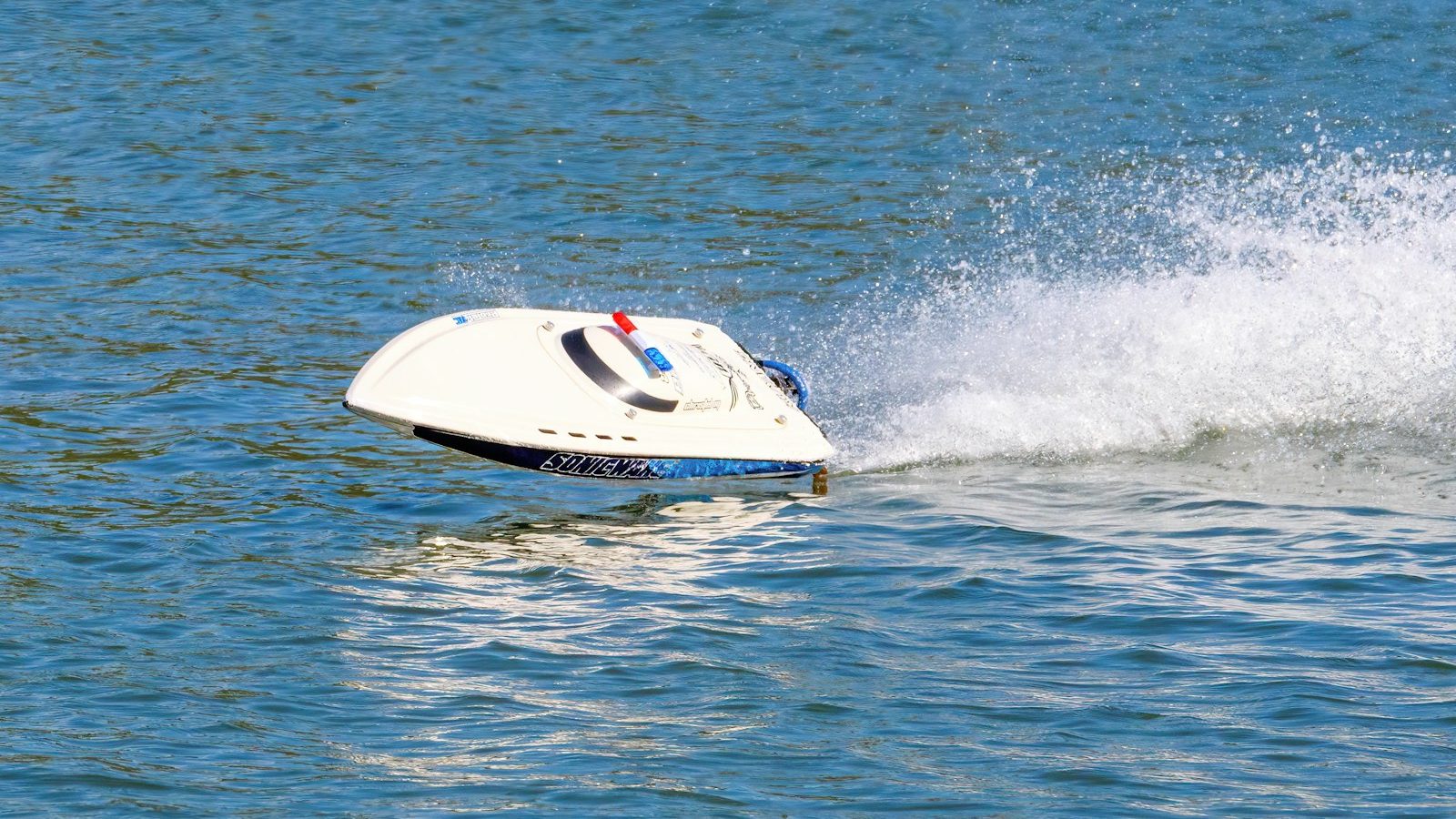
Photo: @jd_photo via Unsplash
In this article
Affiliate disclosure: As an Amazon Associate, RemoteControlCarsBlog may earn from qualifying purchases.
Build your own wooden outrigger race boat from a laser-cut plywood kit — then watch it skim across the water by remote. Here’s the complete, friendly walkthrough from box to first run.
There’s a special kind of pride in launching a boat you built with your own hands. The 495mm wooden shrimp boat RC kit See wooden shrimp boat kits on Amazon #ad lets you do exactly that — assemble a beautiful laminated-plywood outrigger race boat, add the running gear, and send it skimming across a lake.
This is a build-it-yourself project, not a ready-to-run toy — and that’s the whole joy of it. This deep beginner’s guide walks you through what the kit is, what you’ll need to add, how to build and waterproof it, how to set up the motor and radio, and how to run it safely. Let’s get to the workbench. ⛵
📋 What’s Inside (Table of Contents)
- What is the 495mm shrimp boat kit?
- The outrigger design explained
- Is it right for beginners?
- What’s in the kit & what you need
- How to build it (step-by-step)
- Sealing & waterproofing the wood
- Running gear & water cooling
- Installing the electronics
- Balancing & first float test
- Running it on the water
- Care & maintenance
- Common mistakes (and fixes)
- FAQ
- Final thoughts
⛵ What Is the 495mm Shrimp Boat Kit?
Despite the name, the “shrimp boat” isn’t a slow fishing trawler — it’s a classic-style outrigger (sponson) race boat, built from laminated plywood, that measures 495mm (about 19.5 inches) long. The “shrimp” refers to this sleek outrigger hull style, which uses two small sponsons on booms out front to skim fast across the water.
It comes as a kit you build yourself. The wooden hull is beautifully pre-finished and surprisingly light (the bare hull is only around 230 grams), and it features lightweight, rigid carbon-fiber sponson booms and removable hatch panels for easy access to the electronics and battery. You supply (or buy bundled) the running gear — the rudder, propeller, shaft, motor, and electronics — to bring it to life as a quick, electric RC race boat.
In other words, it’s two hobbies in one: the satisfying craft of building a wooden model, followed by the thrill of running a real performance boat you made yourself. That combination is exactly why these kits are so rewarding.
A ready-to-run boat is fun the day you buy it. A boat you built is fun every time you launch it — because part of you is out there on the water. ⛵
🚤 The Outrigger Design Explained
The clever part of this boat is its outrigger (sponson) layout. The two small sponsons, held out on carbon-fiber booms, ride on the water’s surface alongside the slim main hull. At speed, they lift and stabilize the boat so it skims on top of the water rather than plowing through it — the same idea behind full-size racing hydroplanes.
The payoff is a boat that’s fast, efficient, and exciting to watch as it dances across a calm lake. The trade-off is that it’s a performance design built for smooth water — it’s not a rough-water or scale-cruising boat. Understanding that shapes how (and where) you’ll run it, which we’ll come back to.
🎓 Is It Right for Beginners?
Yes — with eyes open. This kit is a fantastic first wooden RC boat build: the hull comes nicely finished, the assembly is approachable, and it teaches you the core skills of RC boating — installing running gear, wiring electronics, sealing wood, and balancing a hull. It’s deeply rewarding for a patient, careful newcomer.
That said, be honest with yourself about what it becomes: a genuinely fast, brushless-powered race boat. The recommended setup uses a water-cooled motor and a 3S LiPo battery, so the finished boat has real speed. That means the build and setup deserve respect — proper waterproofing, careful balancing, calm water, and safe LiPo handling all matter. Treat it as a project to enjoy slowly, and it’s a brilliant entry point. Rush it, and a fast boat can be frustrating (or lost).
🧰 What’s in the Kit & What You Need
The kit gives you the hull and structure; you (or a bundle) supply the rest. Here’s the full picture, including the manufacturer’s suggested gear.
The two big additions are the running gear (shaft, rudder, prop, motor, ESC, servo) and the radio and battery. A water-cooled motor and 40A+ ESC are recommended because this is a quick boat. See RC boat motor/ESC sets on Amazon #ad You’ll also want a 2-channel radio #ad and a 3S LiPo.
🔨 How to Build It (Step-by-Step)
Every kit’s instructions differ, so always follow your manual. But the overall journey looks like this.
The golden rule for any wooden boat build: dry-fit everything first. Test-assemble parts without glue to understand how they go together and to catch any trimming or sanding you need. Then glue with patience, letting joints cure fully. A careful, unhurried build is a watertight, straight-running boat later.
💧 Sealing & Waterproofing the Wood
This is the single most important step, so it gets its own section. Wood and water don’t mix — untreated plywood will soak up water, swell, warp, and weaken. To prevent that, you must seal the hull thoroughly, inside and out.
Most builders use thin epoxy resin or a quality marine/hobby sealer, applied in coats to every wooden surface, sanding lightly between coats for a smooth finish. Pay special attention to the inside of the hull (where water can collect), all the joints and seams, and any holes you cut for the shaft and rudder. Once sealed, you can prime and paint for looks and extra protection.
Do not skip or rush this. A properly sealed hull stays light, strong, and watertight for years; an unsealed one is ruined after a single run. It’s worth taking your time and adding an extra coat.
⚙️ Running Gear & Water Cooling
With the hull sealed, you fit the parts that make it go. The propeller shaft runs through the hull (the hole sealed with marine grease or epoxy) to a propeller at the back, the rudder mounts at the stern for steering, and the motor sits inside on a mount, connected to the shaft by a coupler.
Because this is a fast boat, the motor and ESC are water-cooled. A small water pickup (often near the rudder or a scoop on the hull) catches water as the boat moves and pushes it through tubing around the motor and ESC to keep them cool, then back out. Make sure these cooling lines are connected correctly and routed without kinks — it protects your electronics from overheating on fast runs.
🔌 Installing the Electronics
Now the brains. Mount the ESC (speed controller) and the servo (which moves the rudder) securely inside, and install the receiver. Connect the motor to the ESC, the ESC and servo to the receiver, and you’ll power it all with a 3S LiPo battery (placed where it helps balance). A simple 2-channel radio handles the two jobs: one channel for throttle (speed), one for the rudder (steering).
Before any water, bind the radio, switch on, and check that the throttle and steering respond in the right directions (reverse a channel on the transmitter if needed). Test the rudder moves left/right correctly and the prop spins the right way. Getting this right on the bench saves a lot of frustration at the lake. See 3S LiPo batteries on Amazon #ad
⚖️ Balancing & First Float Test
A boat that isn’t balanced won’t run well, so before opening the throttle, get the trim right. Position the battery (the heaviest item) to set the boat’s balance front-to-back, generally so it sits level or slightly nose-up, and make sure it’s not leaning to one side.
Do a gentle float test first — set the finished, sealed boat in calm, shallow water (a bathtub or pool edge works) with the electronics protected, and check that it floats level and stays dry inside. This confirms your waterproofing and balance before you commit to a full-speed run. Adjust the battery position or add a little ballast if needed, and only then head out for the real thing.
🌊 Running It on the Water
The big day. Because this is a quick boat, a calm, careful first run is the way to go.
Pick a calm day on a pond or lake, launch gently, and ease into the throttle to feel how it handles before you let it fly. Keep it within easy control range, watch your battery time, and bring it in before the pack runs low — a stranded boat in open water is hard to recover. Then enjoy the magic of watching something you built skim across the water.
🧰 Care & Maintenance
A wooden boat rewards a little aftercare. When you’re done, dry it off thoroughly — open the hatches and let the inside air out, and remove and dry the battery. Wipe down the running gear, and rinse off any salt if you ran in salt water.
Periodically check the hull seal for any chips or cracks and touch them up, re-grease the prop shaft, and inspect the cooling lines. Charge and store the LiPo battery safely with a proper balance charger. With this routine, your hand-built boat will stay watertight and run beautifully for many seasons.
⚠️ Common Mistakes (and Easy Fixes)
Mistake 1: Skimping on waterproofing.
The #1 way to ruin a wooden boat. Fix: Seal the wood thoroughly, inside and out, with extra coats.
Mistake 2: Gluing without dry-fitting.
Leads to crooked, ill-fitting joints. Fix: Test-fit every part before applying glue.
Mistake 3: Ignoring the cooling lines.
A hot motor/ESC can fail. Fix: Route the water-cooling tubing correctly with no kinks.
Mistake 4: Skipping the float test.
You discover leaks at full speed. Fix: Always float-test in calm shallow water first.
Mistake 5: Full throttle on the first run.
A fast boat is easy to lose. Fix: Start slow, learn the handling, and stay in range.
🔥 Pro Tips
- Enjoy the process. Half the fun of a kit is the building — go slow and savor it rather than racing to the water.
- Buy a bundle if you’re new. A kit with matched running gear removes the hardest part: choosing compatible parts.
- Test everything on the bench. Confirm steering and throttle directions before launch day.
- Keep a small toolkit at the lake. A screwdriver, tape, and spare props turn a problem into a quick fix.
- Learn from the community. RC boat forums and videos are full of build tips for exactly these kits.
Patience in the build pays off on the water. Seal it well, balance it right, start it slow — and that first clean run will feel like pure magic. ⛵
💬 Real-Life Examples
❓ Frequently Asked Questions
What is the 495mm wooden shrimp boat RC kit?
It’s a build-it-yourself, laminated-plywood outrigger (sponson) race boat about 495mm long. You assemble the wooden hull and add running gear and electronics to create a fast electric RC boat. Despite the name, it’s a sleek racing design, not a slow fishing trawler.
Does the kit include the motor and electronics?
It depends on the version. The basic kit is just the hull and structure, while higher tiers bundle in running gear like the shaft, rudder, propeller, water-cooled motor, ESC, and servo. The battery and radio are typically not included, so check exactly what’s in the package before buying.
Is it good for beginners?
It’s a great first wooden RC boat build if you’re patient and careful. The assembly is approachable and teaches core skills, but the finished boat is genuinely fast, so respect the waterproofing, balancing, calm-water running, and LiPo safety. Choosing a bundle with matched running gear makes it easier for newcomers.
What do I need to add to run it?
Beyond the kit, you’ll typically need a propeller shaft, rudder, propeller, a water-cooled brushless motor, a 40A+ water-cooled ESC, a 9g servo, a 2-channel radio, and a 3S LiPo battery, plus build supplies like sealer, glue, sandpaper, and paint. A bundle kit can supply most of the running gear.
How do I waterproof the wooden hull?
Seal every wooden surface inside and out with thin epoxy resin or a quality marine/hobby sealer, applying several coats and sanding lightly between them. Pay extra attention to the inside, the joints, and the holes for the shaft and rudder, then prime and paint. Thorough sealing is the most important step in the whole build.
Where should I run it?
Calm, open fresh water like a pond or lake is ideal, since the outrigger design loves flat water and you’ll want room to turn. Avoid rough or crowded water, start slowly to learn the handling, stay within control range, and always have a safe way to retrieve the boat if it stops out on the water.
✅ Final Thoughts
Build & run your shrimp boat in five steps:
- ⛵ Pick your kit tier — kit-only or a bundle with running gear.
- ⛵ Dry-fit, assemble, and seal the wood thoroughly.
- ⛵ Fit the running gear, cooling, and electronics carefully.
- ⛵ Balance it and float-test before any speed.
- ⛵ Run on calm water — start slow and stay in range.
Bottom line: the 495mm wooden shrimp boat kit is a wonderfully rewarding project that turns a box of plywood into a fast, great-looking RC boat you built yourself. It asks for patience and care — especially in waterproofing and setup — but it gives back the unique pride of watching your own creation come alive on the water. Take your time, respect the build, and enjoy the journey from workbench to wake. ⛵🌊
More on-the-water know-how in our guides on
RC speed boats,
RC batteries,
RC tools, and
the best RC cars.

admin
Our editors are RC drivers first: every guide is written by someone who has owned, broken and rebuilt the category they cover. No paid placements, no fabricated ratings.