RC Electric Buggy: The Ultimate 2026 Buying Guide

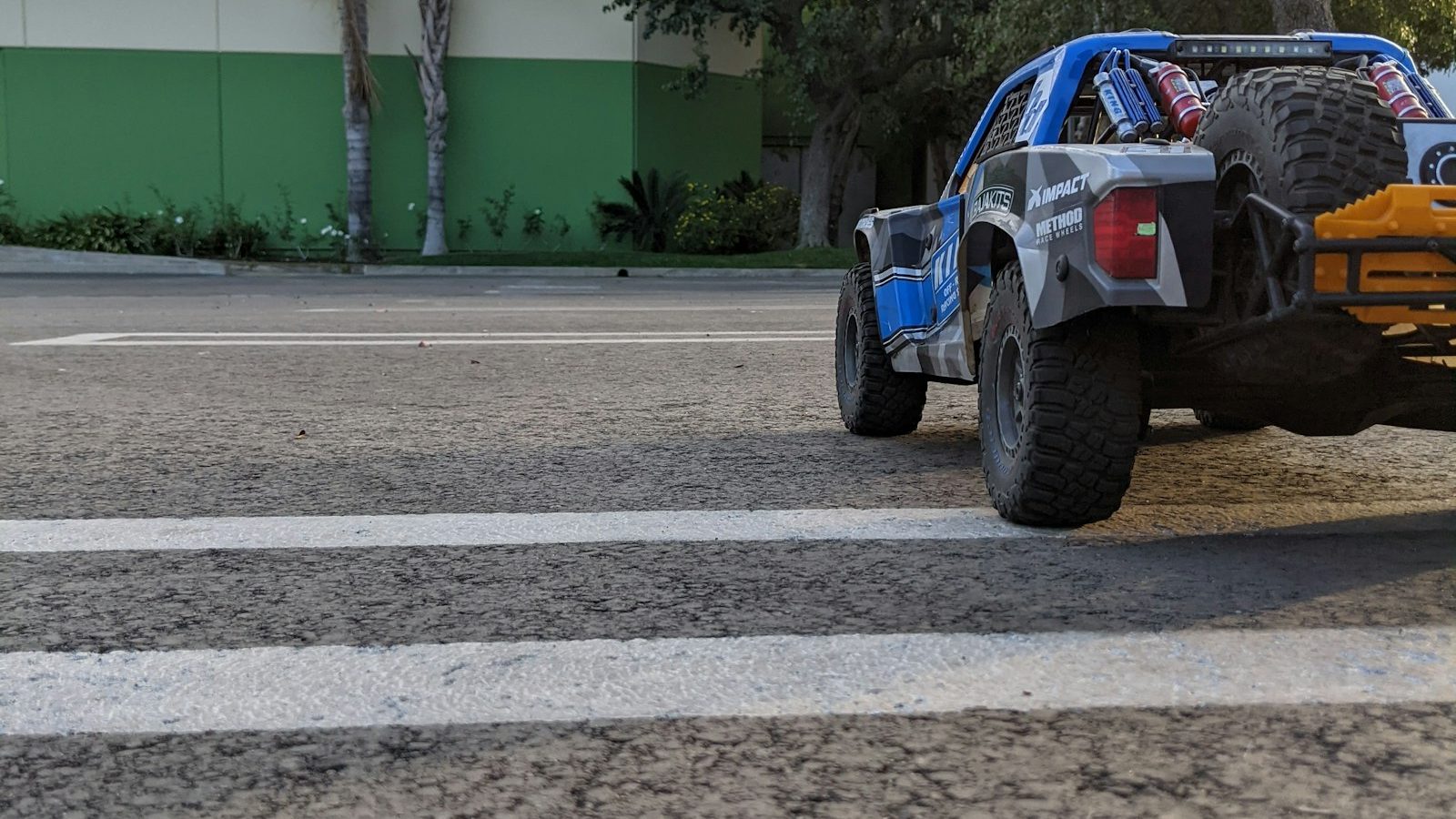
Photo: @gangsterhotline via Unsplash
In this article
Affiliate disclosure: As an Amazon Associate, RemoteControlCarsBlog may earn from qualifying purchases.
Fast, agile, and built to fly over dirt, an RC electric buggy is one of the most thrilling machines in the hobby. But with so many scales, drivetrains, and brands, which one is right for you? This complete guide breaks it all down so you buy with total confidence.
There’s a reason the buggy is the icon of off-road RC. An RC electric buggy See RC electric buggies on Amazon #ad blends blistering speed, big-air jumps, and razor-sharp handling in one lightweight, dirt-hungry package.
But buying your first (or next) buggy can feel overwhelming: 1/10 or 1/8? 2WD or 4WD? Brushed or brushless? In this guide you’ll learn exactly what these terms mean, which buggy fits your goals and budget, the best current options by category, and how to choose like a seasoned pro. Let’s find your perfect machine. 🏁
📋 What’s Inside (Table of Contents)
- What is an RC electric buggy?
- Why they’re so popular in 2026
- Buggy vs. other RC types
- Electric vs. nitro buggies
- Key factors to consider
- Understanding the scales
- 2WD vs. 4WD
- Brushed vs. brushless
- Best electric buggies by category
- How to choose: step by step
- Real-life scenarios
- Common mistakes & pro tips
- Is it worth it? & cost
- FAQ & final verdict
🏎️ What Is an RC Electric Buggy?
An RC electric buggy is an off-road remote control car built in the classic “buggy” style — lightweight, with long-travel suspension, big knobby tires, an open single-seater look, and usually a rear wing. It’s powered by a rechargeable battery and an electric motor, and it’s designed to tear across dirt, grass, and gravel, soak up bumps, and launch off jumps with ease.
Buggies are one of the oldest and most beloved classes in RC, prized for their agility and jumping ability. The “electric” part means no messy fuel or engine tuning — just charge the battery and drive. That combination of nimble off-road performance and easy, clean operation is exactly why electric buggies are a favorite for both backyard bashing and serious racing.
If a monster truck is about brute force, a buggy is about finesse and flight. Light, fast, and incredibly fun to jump, it’s the machine that hooks most people on off-road RC for life. 🏁
🔥 Why They’re So Popular in 2026
Electric buggies have exploded in popularity, and modern brushless technology is the big reason. Today’s electric power systems deliver incredible speed and instant torque — some 1/8 machines hit eye-watering pace — while staying quiet, clean, and low-maintenance. You get serious performance without the fuss of an engine.
Add in the rise of affordable, ready-to-run (RTR) models that work straight out of the box, plus a huge community of bashers and racers, and it’s easy to see the appeal. Whether you want to jump in your backyard, race at a local dirt track, or chase top speed, there’s never been a better time to buy an electric buggy. See brushless buggies on Amazon #ad
🆚 Buggy vs. Other RC Types
It helps to know where the buggy sits among off-road RC types. A buggy is the lightest and most agile, with the best jumping and cornering — ideal for racing and skillful bashing. A truggy is a buggy with bigger truck tires, trading some agility for ruggedness. A short course truck has a covered, scale-truck body that’s durable and forgiving.
A monster truck is bigger, heavier, and all about big tires and brute bashing, while on-road cars are built for smooth surfaces and speed, not dirt. If you want nimble handling, satisfying jumps, and that classic racing feel off-road, the buggy is the sweet spot. It’s the most balanced all-rounder for off-road fun.
⚡ Electric vs. Nitro Buggies
Buggies come in electric and nitro (fuel-engine) versions, and for most people today, electric wins. Electric buggies are easy to use, quiet, clean, and low-maintenance — you just charge and drive — and brushless versions are seriously fast with instant power. They’re the most beginner-friendly choice.
Nitro buggies bring an engine’s sound, smell, and the satisfaction of tuning, but they’re messier, louder, need fuel and regular maintenance, and have a steeper learning curve. They’re a niche for enthusiasts who love the mechanical side. For convenience, cleanliness, and easy speed, electric is the modern default — and the focus of this guide.
🔑 Key Factors to Consider
Before you buy, weigh these factors — each one shapes the experience you’ll get:
- Scale: The size of the buggy (1/10, 1/8, etc.) affects speed, presence, and price.
- Drivetrain (2WD vs 4WD): How many wheels get power, affecting traction and ease of driving.
- Motor (brushed vs brushless): The power system, affecting speed, efficiency, and maintenance.
- Battery: NiMH (simple, beginner) or LiPo (lighter, more power — needs careful handling).
- RTR vs kit: Ready-to-run out of the box, or a kit you assemble yourself.
- Hobby-grade vs toy-grade: Hobby-grade is faster, durable, repairable, and upgradeable.
- Part support: How easy spare parts are to get — arguably the most important factor of all.
📏 Understanding the Scales
For most buyers, 1/10 is the sweet spot — big enough to be exciting and handle real terrain, but not as pricey or demanding as 1/8. Smaller 1/16–1/24 buggies are perfect for tighter spaces, younger drivers, and budgets, while 1/8 is the go-to for those chasing maximum speed and racing performance. See 1/10 buggies on Amazon #ad
⚙️ 2WD vs. 4WD
In short: 4WD is easier and more capable, putting power down better on loose and rough surfaces, which makes it more forgiving and a fantastic all-rounder. 2WD is lighter, often cheaper, and a classic skill-building racing class that’s hugely rewarding to master. Beginners who want the easiest experience often lean 4WD, while purists and budget-minded drivers love 2WD.
🔋 Brushed vs. Brushless
The motor type matters a lot. Brushed motors are simpler and cheaper, making them great for beginners and budget buggies. They offer modest, manageable speed and are easy to live with, though they wear over time and aren’t as powerful or efficient.
Brushless motors are the modern performance choice: faster, more powerful, more efficient (longer run times), and longer-lasting, with little maintenance. Most fast electric buggies today — including the popular 1/8 machines — use brushless power. If you want speed and modern performance, brushless is the way to go; if you want simple and affordable to start, brushed is perfectly fine. Our brushless vs brushed guide goes deeper.
🏆 Best Electric Buggies by Category
Rather than fixate on one model, it helps to shop by category. Here are strong, current options at each level — always check live pricing and availability on the retailer’s page, as it changes often.
🟢 Budget & Small-Scale (1/24–1/16)
Examples: Losi Micro-B (1/24 RTR), Maverick Microbe Flux (1/24 brushless), and various budget brands. Best for: beginners, kids, tight spaces, and low budgets. These pack genuine off-road fun into a compact, affordable package, with some even using real racing hardware in miniature. A brilliant, low-risk way to try a buggy.
🔵 Beginner All-Rounder (1/10)
Examples: 1/10 RTR buggies from brands like Team Associated, Losi, and Tamiya. Best for: most first-time hobby buyers. The 1/10 class balances size, speed, value, and part availability beautifully, available in 2WD for skill-building or 4WD for easy all-round capability. The smart starting point for serious fun.
🟠 Performance Basher (1/8 Brushless RTR)
Examples: ARRMA Typhon 6S BLX 4WD, Losi 8ight-XE RTR, Kyosho NEO 4.0 VE. Best for: speed lovers and hard bashers who want power and durability out of the box. These 1/8 4WD brushless machines deliver thrilling acceleration, tough aluminum-and-steel construction, and oil-filled shocks — ready to blast over dirt, grass, and jumps.
🟣 Racing & Competition (Kits)
Examples: Team Associated, TLR, Tekno, Mugen, XRAY, and Yokomo competition kits. Best for: dedicated racers. These unassembled kits let you build and tune a race-bred buggy to your exact spec, offering the ultimate in precision and adjustability for the track. More work, but the pinnacle of performance.
🔴 Big-Air Desert Buggy (1/7–1/5)
Examples: ARRMA Mojave 6S, Losi Desert Buggy XL. Best for: those craving huge size and top speed in wide-open spaces. These large desert machines can hit 60+ mph, feature waterproof-rated electronics for all-weather runs, and command serious presence — but need lots of room to enjoy safely.
See 1/8 brushless buggies on Amazon #ad
🔧 How to Choose: Step by Step
- Define how you’ll use it. Backyard bashing, dirt-track racing, or both? Your main use shapes everything else.
- Pick a scale. 1/10 for a great all-rounder, 1/16–1/24 for budget or tight spaces, 1/8 for top speed and racing.
- Choose 2WD or 4WD. 4WD for the easiest, most capable driving; 2WD for lighter weight, lower cost, and skill-building.
- Choose brushed or brushless. Brushed to keep it simple and cheap; brushless for speed and modern performance.
- Decide RTR or kit. RTR to drive right away; a kit if you want to build and tune it yourself.
- Check part support. Pick a popular brand with easy-to-find spares — this matters more than almost anything.
- Sort out batteries & charger. Confirm what’s included and budget for a battery and charger if needed.
- Match it to your budget. Choose the best buggy in your price range from a brand you can support.
Work through these in order and the right buggy almost picks itself. Our best off-road RC guide can help you compare further.
🚗 Real-Life Scenarios
The backyard basher: Liam wants thrills in his yard without fuss. He picks a 1/10 4WD brushless RTR — easy to drive, fast enough to jump, and durable. He charges a LiPo, hits the dirt, and is launching off homemade ramps within minutes.
The aspiring racer: Aisha wants to race locally. She chooses a 2WD 1/10 buggy to master car control, then later a 1/8 4WD for the bigger class — picking a popular brand her club runs so spares are always on hand at the track.
The first-timer on a budget: Sam isn’t sure he’ll love it, so he starts with an affordable 1/16 brushless buggy. It’s a low-risk way in, delivers real off-road fun, and proves the hobby’s worth before he upgrades to a bigger machine.
⚠️ Common Mistakes & Pro Tips
Mistake 1: Buying toy-grade expecting hobby performance.
Disappointment follows. Fix: Choose hobby-grade for real speed, durability & repairs.
Mistake 2: Ignoring part support.
You’ll be stuck when it breaks. Fix: Pick a popular brand with available spares.
Mistake 3: Too much power for a beginner.
Hard to control. Fix: Start moderate; a 1/10 is plenty to learn on.
Mistake 4: Forgetting battery & charger.
Can’t drive day one. Fix: Confirm what’s included; buy a battery/charger if needed.
Mistake 5: Mishandling LiPo batteries.
A safety risk. Fix: Charge on a safe surface, never overcharge, store properly.
- Part support first. The best buggy is one you can fix fast and keep running.
- Buy a few spares upfront. Common parts like arms and tires save your driving days.
- Treat LiPo batteries with respect. Charge safely and store at storage voltage.
- Start at a sensible speed. You can always go faster as your skills grow.
- Clean after dirty runs. It keeps your buggy fast and lasting longer.
🤔 Is It Worth It? & What It Costs
An electric buggy is absolutely worth it if you love off-road action, jumps, and fast, agile handling, whether for backyard bashing or racing. It’s beginner-friendly, low-maintenance, and endlessly fun. It’s less ideal if you specifically want rock crawling (get a crawler), smooth on-road speed (get a touring car), or only the very cheapest toy — in which case set expectations accordingly.
On cost, prices vary widely and change often, so always check the retailer, but as a rough, approximate guide: small budget buggies often land around the low hundreds, capable 1/10 RTRs typically sit in the mid-to-upper hundreds, and fast 1/8 brushless RTRs and large desert machines generally run higher still, with competition kits varying by spec. Buy the best you can from a brand you can support, and you’ll get tremendous value. See RC LiPo batteries on Amazon #ad
❓ FAQ & Final Verdict
What is an RC electric buggy best for?
An RC electric buggy is best for off-road fun — bashing across dirt, grass, and gravel, jumping, and racing on tracks. Its lightweight design, long-travel suspension, and big knobby tires make it agile and great at launching off jumps, while the electric power keeps it clean, quiet, and low-maintenance. It suits both backyard play and serious competition, making it one of the most versatile and beginner-friendly off-road RC types you can buy.
Is 2WD or 4WD better for an electric buggy?
It depends on your goals. 4WD buggies have more traction, are easier to drive, and handle rough or loose terrain better, making them ideal for beginners and all-round capability. 2WD buggies are lighter, often cheaper, and form a classic racing class that rewards skill and is hugely satisfying to master. New drivers who want the easiest experience often choose 4WD, while budget-minded buyers and skill-focused racers love 2WD.
What scale RC buggy should a beginner buy?
For most beginners, a 1/10 scale buggy is the sweet spot, balancing exciting size and speed with reasonable cost and excellent part availability. If you’re on a tight budget or have limited space, a smaller 1/16 or 1/24 buggy is a great low-risk way to start. Step up to 1/8 once you want maximum speed and racing performance. Whatever the scale, choose a hobby-grade model from a brand with good spare-parts support.
Are brushless electric buggies worth it?
Yes, for most people. Brushless motors are faster, more powerful, more efficient with longer run times, and longer-lasting with little maintenance, which is why nearly all fast electric buggies use them. Brushed motors are simpler and cheaper, fine for beginners and budgets, but brushless is the modern performance choice. If you want real speed and a low-maintenance, durable power system, brushless is well worth it and has become the standard for serious buggies.
How fast do electric RC buggies go?
It varies hugely by scale and motor. Smaller and brushed buggies offer modest, manageable speeds great for learning, while fast 1/8 brushless machines are seriously quick, and large desert buggies can reach 60+ mph. Always check the manufacturer’s stated figures for a specific model, and remember that more speed means more skill required. Beginners are usually happiest starting at moderate speeds and working up as their control improves over time.
Why is part support so important when buying?
Because you will break parts — it’s part of off-road RC. If you choose a popular brand whose spares are easy to find and that others around you run, you can repair your buggy quickly and keep driving. A buggy with poor part support can leave you stuck waiting weeks for a single part. Experienced racers consistently rank part availability as the single most important factor when choosing a buggy, even above raw performance.
Your RC electric buggy buying checklist:
- 🎯 Define your use — bashing, racing, or both.
- 📏 Pick a scale — 1/10 is the all-round sweet spot.
- ⚙️ Choose 2WD or 4WD, brushed or brushless.
- 🛠️ Prioritize hobby-grade with strong part support.
- 🔋 Sort out a battery, charger, and a few spares.
Bottom line: an RC electric buggy delivers some of the most exciting, agile, jump-happy fun in all of RC, and modern brushless models make that performance easy and clean. Define how you’ll use it, pick the right scale and drivetrain, lean toward brushless for speed, and — above all — choose a hobby-grade buggy from a brand with great part support. Do that, and you’ll have a machine that thrills you for years. Now go catch some air. 🏁
More off-road know-how in our guides on
the best off-road RC cars,
brushless vs brushed motors,
RC car batteries, and
the best RC cars.

admin
Our editors are RC drivers first: every guide is written by someone who has owned, broken and rebuilt the category they cover. No paid placements, no fabricated ratings.