How to Drift an RC Car: The Complete Beginner’s Guide

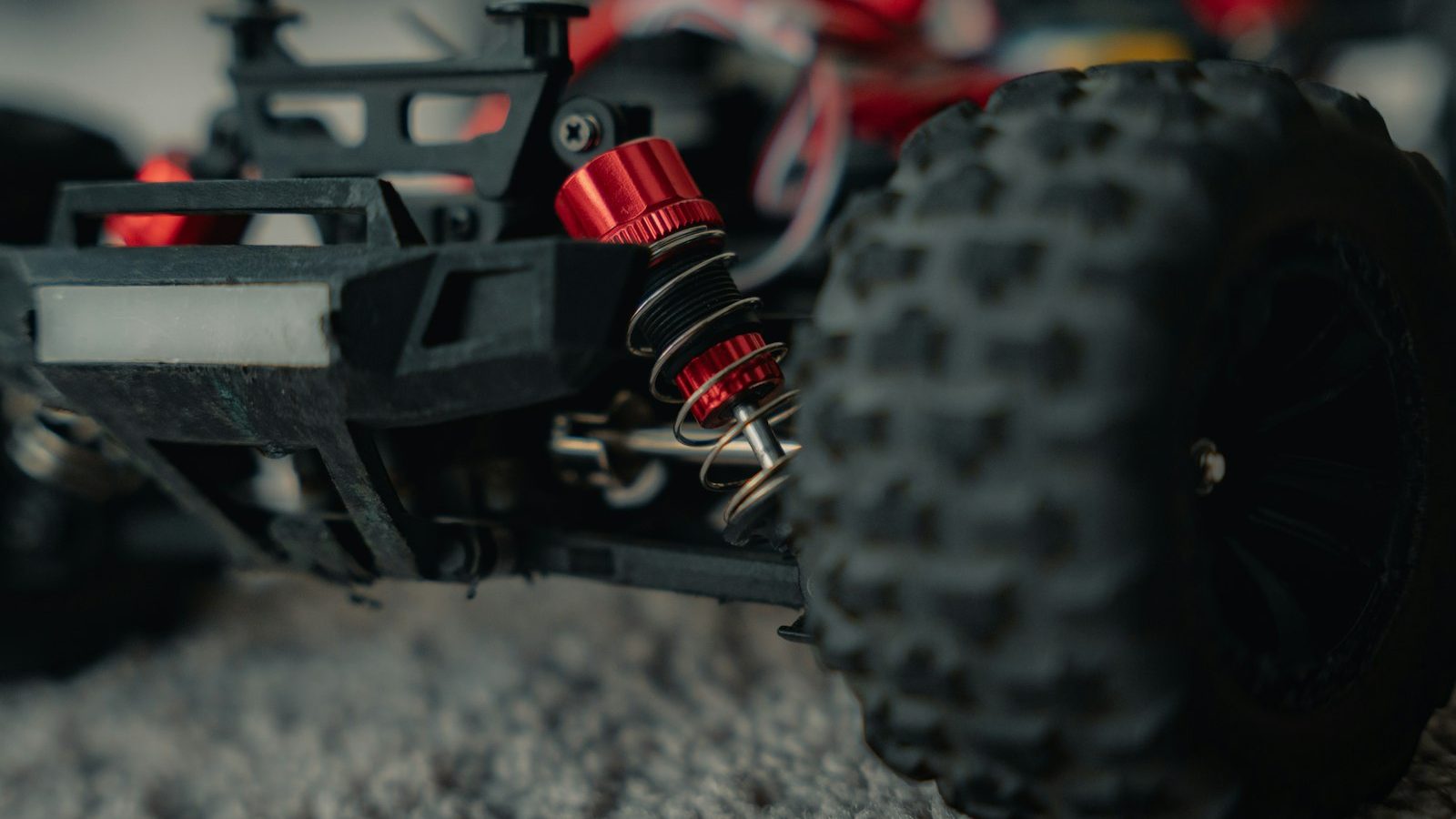
Photo: @ymoran via Unsplash
In this article
Affiliate disclosure: As an Amazon Associate, RemoteControlCarsBlog may earn from qualifying purchases.
Nothing looks cooler than an RC car sliding sideways through a corner, holding the slide with smooth control. That’s drifting — and it’s a hugely satisfying, very learnable skill. This complete tutorial teaches you exactly how, the easy way.
RC drifting takes the thrill of real-life drifting and shrinks it to a scale you can master in your living room or garage. With the right RC drift car See RC drift cars on Amazon #ad and a little practice, you’ll be linking smooth, stylish slides in no time.
This guide covers the two foundations (tires and surface), the all-important counter-steer, throttle control, the gyro trick that makes it easier, and a clear step-by-step method. Let’s get sideways. 🏎️
📋 What’s Inside (Table of Contents)
🏎️ What Is RC Drifting?
RC drifting is the art of deliberately making your car slide sideways through corners while keeping it under control. Instead of gripping and turning normally, the rear end steps out and the car travels at an angle, with you balancing throttle and steering to hold that slide — exactly like full-size drifting, just in miniature.
It’s a hugely popular RC discipline because it’s pure style and skill: smooth, flowing slides linked from corner to corner look spectacular and feel incredibly rewarding to pull off. Best of all, it’s something anyone can learn at home with the right gear and a bit of practice. The whole game comes down to controlled loss of grip — which starts with two simple things.
Drifting isn’t about going fast — it’s about going sideways with control. The skill is in the balance: just enough slide, held just long enough, steered just right. Once it clicks, you’ll be hooked. 🏎️
🔑 The Two Secrets: Tires + Surface
Here’s the foundation most beginners get wrong, so let’s nail it first. RC drifting depends on low grip, and that comes from two things working together: drift tires and a smooth surface. Drift tires are hard, slick tires (often plastic or PVC) with very little grip, unlike the soft rubber tires built to stick. They’re designed to slide.
Pair those slippery tires with a smooth, low-grip surface — polished concrete, tile, vinyl, hardwood, or a dedicated drift mat — and the car will break traction and slide controllably. Try to drift on grippy rubber tires or a rough, high-grip surface and the car just grips and turns instead of sliding. Get the tires and surface right, and you’re already halfway to drifting.
🛒 What You’ll Need
You can buy a purpose-built drift car or convert a touring car simply by fitting drift tires. The single most important upgrade is the tires — they transform how the car behaves. See RC drift tires on Amazon #ad
⚙️ 2WD vs. 4WD for Drifting
For your first drift car, 4WD is the friendlier choice — it initiates and holds slides more easily and is more forgiving of mistakes, so you’ll be drifting sooner. RWD (rear-wheel drive) is closer to how a real drift car behaves and is more rewarding for advanced drivers, but it demands sharper counter-steering. Many drifters start 4WD and graduate to RWD later. Our 2WD vs. 4WD drift guide digs deeper into the choice.
🔄 The Core Skill: Counter-Steering
If there’s one technique that is drifting, it’s counter-steering. When the rear of the car slides out to one side, you steer the front wheels into the slide — that is, in the same direction the rear is sliding, opposite to the corner. This catches the slide and controls the angle, exactly like a real drifter sawing at the wheel.
The trick is to do it smoothly and early — anticipate the slide and feed in counter-steer as it happens, not after. RC cars react fast, so jerky, late steering causes spins. Smooth, proportional counter-steer is the difference between a clean drift and a tank-slapper. This is the skill to practice above all others.
🔧 The Tutorial: Step by Step
Here’s the complete method, built up in easy stages. Practice each before moving on, and be patient — it clicks with repetition.
- Get a proper drift setup. Fit drift tires and find a smooth, low-grip surface with plenty of open space.
- Master smooth basics first. Drive around gently to get a feel for the throttle and steering before trying to slide.
- Initiate your first slide. Turn into a corner and add throttle (or a quick flick of steering) to break the rear loose.
- Counter-steer into the slide. As the rear steps out, steer the front wheels in the same direction the rear is sliding.
- Modulate the throttle. Feather the throttle to keep the rear sliding — not so much it spins, not so little it grips up.
- Hold the drift through the corner. Balance counter-steer and throttle to maintain a steady angle around the bend.
- Exit smoothly. Ease off the steering and throttle to let the car straighten out cleanly.
- Practice circles & figure-8s. Drifting continuous circles builds counter-steer feel fast.
- Add a gyro if you’re struggling. Especially with RWD, a gyro helps catch the slide for you while you learn.
- Link your drifts. Once comfortable, transition from one slide straight into the next.
Don’t rush — getting a steady single drift around a circle is a big milestone. From there, everything else builds naturally. See 4WD drift cars on Amazon #ad
🎚️ Throttle Control: The Other Half
Counter-steer controls the car’s angle, but the throttle controls the slide itself. Once you’re sideways, you feather the throttle to keep the rear wheels spinning just enough to maintain the slide. Too much throttle and the car spins out; too little and the tires regain grip and the drift dies.
The goal is smooth, constant adjustment — small throttle changes paired with your counter-steer, working together as one motion. Think of it like balancing: you’re constantly making tiny corrections to stay on that knife-edge of controlled slide. Mastering this throttle-and-steer balance is what turns jerky spins into flowing, stylish drifts.
🌀 The Gyro Trick
Here’s a tip that helps enormously, especially with RWD cars: add a gyro. A gyro is a small electronic device that senses when the car starts to slide and automatically applies counter-steer to the front wheels, helping catch the slide far faster than human reflexes can. It’s widely used in RC drifting, particularly on realistic rear-wheel-drive setups.
A gyro doesn’t drift for you — you still control throttle and choose your angle — but it smooths out the counter-steer and makes a twitchy RWD car much more manageable, which is a godsend while learning. You can adjust how much it intervenes. If you’re finding slides hard to catch, a gyro is one of the best investments you can make. See RC gyros on Amazon #ad
🔗 Linking Drifts
Once you can hold a single drift, the next thrill is linking them — flowing from a slide one way straight into a slide the other way, like a series of connected S-bends. This is where RC drifting really starts to look like the real thing, with the car dancing smoothly from one angle to the next.
The secret is weight transfer and timing: as you exit one drift, you use steering and throttle to flick the car’s momentum into the opposite direction, catching the new slide with counter-steer. It takes practice to time the transitions smoothly, but landing your first linked drifts is one of the most satisfying moments in the whole hobby.
🔧 Setup & Tuning
A few setup tweaks make drifting easier and better. Beyond fitting good drift tires, increasing the front steering angle (lock) gives you more counter-steer range, which helps hold big angles. A gyro, as covered, smooths counter-steer. Some drifters also adjust suspension and weight balance to suit their style and surface.
Smooth, controllable power delivery helps too, so a quality ESC and motor that aren’t overly aggressive make the throttle easier to modulate. Start with the basics — drift tires, smooth surface, maybe a gyro — and refine from there as you learn what your car and your driving prefer. Small changes can make a big difference to how naturally the car drifts. See RC car parts on Amazon #ad
🔧 Troubleshooting
Almost every drifting problem comes back to tires/surface, throttle amount, or counter-steer timing. Work on one at a time and you’ll steadily smooth everything out.
⚠️ Common Mistakes (and Easy Fixes)
Mistake 1: Wrong tires or surface.
The car grips instead of sliding. Fix: Use drift tires on a smooth, low-grip surface.
Mistake 2: Too much throttle.
It spins out. Fix: Feather the throttle to maintain a controlled slide.
Mistake 3: No or late counter-steer.
The car spins or snaps straight. Fix: Steer into the slide, smoothly and early.
Mistake 4: Jerky inputs.
Causes twitchy, ugly drifts. Fix: Be smooth and gentle with both controls.
Mistake 5: Expecting instant mastery.
Drifting takes practice. Fix: Start with circles and build up patiently.
🔥 Pro Tips
- Nail the tires and surface first. Everything else depends on having low grip.
- Practice drifting circles. It’s the fastest way to build counter-steer feel.
- Be smooth, not fast. Drifting rewards finesse over raw speed.
- Try a gyro for RWD. It makes learning the hardest setup far easier.
- Counter-steer early. Anticipate the slide rather than reacting late.
❓ Frequently Asked Questions
What do I need to start RC drifting?
The essentials are an RC drift car (or a touring car fitted with drift tires), a set of hard, low-grip drift tires, and a smooth surface like tile, polished concrete, or a drift mat. A precise transmitter helps, and an optional gyro makes learning easier, especially with rear-wheel drive. The drift tires and smooth surface are the most important parts, since they’re what allow the car to slide in a controlled way.
What is counter-steering in RC drifting?
Counter-steering is steering the front wheels into the slide, the same direction the rear of the car is sliding, to control the drift. If the back swings left, you steer left; if it swings right, you steer right. This catches the slide and holds your chosen angle instead of letting the car spin out or snap straight. Doing it smoothly and early is the single most important skill in drifting.
Is 4WD or RWD better for drifting?
For beginners, 4WD is easier and more forgiving, initiating and holding slides more readily so you’ll be drifting sooner. RWD is more realistic and expressive, closer to how a real drift car behaves, but it requires sharper counter-steering and more skill. Many people start with 4WD to learn the basics, then move to RWD for the extra challenge and authenticity. A gyro can make RWD much more manageable.
Why won’t my RC car slide?
The most common reason is too much grip, either grippy rubber tires instead of hard drift tires, or a rough, high-grip surface. Fit proper drift tires and run on a smooth, low-grip surface like tile or polished concrete. If you have the right tires and surface but it still won’t break loose, you may need a touch more throttle to initiate the slide. Low grip is the key to sliding.
Do I need a gyro to drift?
No, but it helps a lot, particularly with rear-wheel-drive cars. A gyro senses when the car slides and automatically applies counter-steer faster than human reflexes, smoothing out your drifts and making a twitchy RWD car far more manageable while you learn. You still control the throttle and choose your angle. Many drifters use one, but you can absolutely learn without it, especially on a forgiving 4WD car.
How long does it take to learn to drift?
With the right setup, most people can get a basic slide going within their first few sessions, and hold steady drifts around a circle after a bit more practice. Linking drifts smoothly takes longer and comes with repetition. The keys are starting with proper tires and a smooth surface, practicing circles and figure-8s, and being patient with smooth inputs. Like any skill, steady practice makes it click surprisingly quickly.
✅ Final Thoughts
How to drift an RC car, in five points:
- 🛞 Use drift tires on a smooth, low-grip surface.
- 🔄 Counter-steer into the slide — smoothly and early.
- 🎚️ Feather the throttle to hold the slide.
- 🌀 Try a gyro to make learning easier (especially RWD).
- 🔁 Practice circles, then link your drifts.
Bottom line: drifting an RC car is one of the most stylish, rewarding skills in the hobby, and it’s well within reach. Set up low grip with drift tires and a smooth surface, learn to counter-steer into the slide while feathering the throttle, lean on a gyro if you need it, and build up from steady circles to flowing, linked drifts. Be smooth, be patient, and enjoy the slide — there’s nothing quite like nailing your first clean drift. Now go get sideways. 🏎️🏁
More drifting know-how in our guides on
2WD vs. 4WD drift cars,
how RC cars work,
RC car parts, and
the best RC cars.

admin
Our editors are RC drivers first: every guide is written by someone who has owned, broken and rebuilt the category they cover. No paid placements, no fabricated ratings.