Remote Control Body Shells: The Complete Buying & Fitment Guide

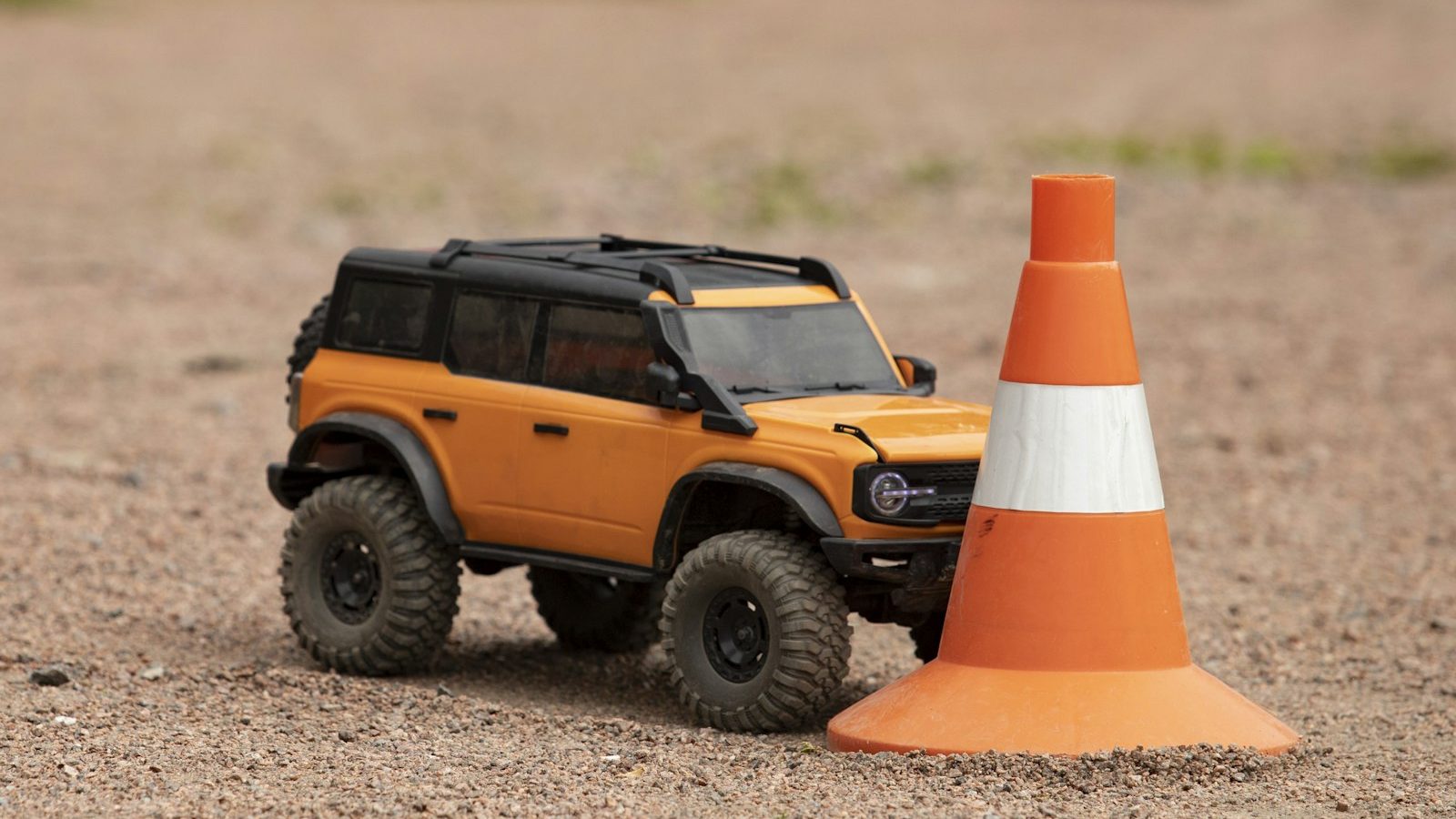
Photo: @maria0701 via Unsplash
In this article
Affiliate disclosure: As an Amazon Associate, RemoteControlCarsBlog may earn from qualifying purchases.
The body shell is the face of your RC car — it’s style, protection, and personality all in one. Whether you’re replacing a cracked body or restyling your ride, picking the right shell (and one that actually fits) is easier than you think. This complete guide shows you how.
A great body transforms how your car looks and performs, and finding the right remote control body shells See RC body shells on Amazon #ad is one of the most rewarding parts of the hobby — for both looks and protection.
In this guide you’ll learn what body shells are made of, the best brands, the all-important secret of getting one that fits, clear versus pre-painted, and exactly how to trim and mount one. Let’s give your car a fresh new face. 🚗
📋 What’s Inside (Table of Contents)
- What is a body shell?
- Why buy or replace one in 2026
- What body shells are made of
- Body shell types by class
- The secret: getting the right fit
- Best body shell brands
- Clear vs. pre-painted
- How to fit a body shell
- Real-life scenarios
- Common mistakes & pro tips
- Is it worth it? & cost
- FAQ & final verdict
🚗 What Is a Body Shell?
A body shell is the outer body that clips onto your RC car or truck’s chassis. It’s held on by body posts and small clips, and it does three big jobs: it gives your car its looks and personality, it protects the electronics and chassis underneath from dirt and impacts, and on faster cars it shapes the aerodynamics.
Most body shells are made from clear, flexible plastic that you paint yourself, though pre-painted and rigid scale bodies exist too. Because bodies take the brunt of crashes and wear, they’re a normal thing to replace — and swapping one is the easiest way to completely change your car’s style. Think of the shell as your car’s outfit: easy to change, and a huge part of its character.
The chassis is the heart of your RC car, but the body shell is its face. Swap the shell and you’ve got a whole new car — which is exactly why customizing and replacing bodies is one of the most popular things in the hobby. 🚗
🔥 Why Buy or Replace One in 2026
There are plenty of reasons people search for a new body shell. The most common is simple: the old one is cracked, scratched, or faded from crashes and UV, and a fresh body makes the car look new again. Bodies are wear items, so replacing them is routine.
Beyond repairs, swapping a shell lets you restyle and customize — change to a different look, a licensed replica, or a custom paint scheme — or even change your car’s character, like fitting a sleek race body or a rugged truck shell. Racers also buy lightweight bodies for performance. With customization more popular than ever, a new shell is the cheapest, easiest big upgrade you can make. See clear RC bodies on Amazon #ad
🧪 What Body Shells Are Made Of
The vast majority of body shells are clear polycarbonate, usually known by the brand name Lexan. It’s the perfect RC material: flexible enough to survive hard crashes without cracking, lightweight, and easy to paint. ABS hard bodies are rigid and highly detailed, favored for realistic scale rigs and crawlers, while carbon fiber and aluminum are rare, specialty choices.
🗂️ Body Shell Types by Class
Body shells are made for specific classes, so there’s a perfect match for whatever you drive — from sleek touring bodies to rugged monster truck shells and detailed scale crawler bodies. Knowing your class is the first step to choosing the right one.
🎯 The Secret: Getting the Right Fit
Here’s the single most important thing to get right, and the one beginners most often miss: a body shell must fit your specific car. A gorgeous body is useless if it doesn’t mount up. Match these before you buy:
- Scale: 1/10, 1/8, 1/16, and so on — match your car’s scale.
- Width: On-road touring bodies use standard widths like 190mm or 200mm — match it.
- Wheelbase: The distance between axles must match, or the body posts won’t line up.
- Class & model: Buggy, truck, touring, etc. — and many bodies list the exact models they fit.
- Material & thickness: Standard for durability, lightweight for racing.
Get scale, width, wheelbase, and class right, and the body will mount cleanly. Most product listings spell out exactly which cars a body fits, so read them carefully. See Lexan bodies on Amazon #ad
🏆 Best Body Shell Brands
A few brands dominate the RC body world, each with its own strengths. Here’s who to know.
1. Pro-Line Racing — Best Overall Range
Overview: The biggest name in RC bodies, made in the USA for over 35 years. Pro-Line offers a huge range covering off-road, on-road, bashing, and crawling, including officially licensed replicas. Best for: Almost any car and style. Pros: Massive selection, great quality, wide compatibility. Cons: So much choice it can overwhelm. Recommendation: The first place most people should look. Check price on Amazon #ad
2. Protoform (PF) — Best for On-Road Racing
Overview: The premium choice for on-road and touring race bodies, molded from crystal-clear Lexan with championship pedigree — Protoform bodies have won many world titles. They come in different sizes and thicknesses. Best for: On-road and touring car racers. Pros: Superb realism, aero, and race performance; thickness options. Cons: Focused on on-road. Recommendation: The racer’s pick for touring and on-road. See options on Amazon #ad
3. JConcepts — Best for Off-Road Racing
Overview: Famous for off-road racing bodies with excellent fit and durability, available in standard and lightweight thicknesses for different needs. Best for: Off-road buggy and truck racers. Pros: Great fit, durable, race-proven designs. Cons: Off-road focused. Recommendation: Top choice for off-road competition bodies. See options on Amazon #ad
4. Mon-Tech, HPI & Others — Best for Drift & Replicas
Overview: Brands like Mon-Tech and HPI specialize in realistic touring and drift replica bodies, often with pre-cut sticker kits and detailed licensed designs. Best for: Drift and scale-replica fans. Pros: Realistic looks, detailed replicas, included stickers. Cons: More niche. Recommendation: Great for drifters and realism lovers. See drift bodies on Amazon #ad
🎨 Clear vs. Pre-Painted
Clear bodies are the most popular: they’re cheaper, let you create a one-of-a-kind paint job, and typically include a protective overspray film, window masks, and a decal sheet. Pre-painted bodies save you the work and get you driving instantly, at a higher price and with less individuality. If you enjoy customizing, go clear; if you want convenience, go pre-painted. (New to painting? See our full guide below.)
🔧 How to Fit a Body Shell
- Confirm the fitment. Double-check scale, width, wheelbase, and that it fits your model before anything else.
- Trim the body. Cut along the molded lines with curved Lexan scissors for clean edges.
- Mark & cut the post holes. Set the body on the car, mark where the body posts hit, and ream clean holes.
- Paint it (if clear). Paint the inside with polycarbonate paint, then add a backing coat (see our painting guide).
- Apply decals & remove film. Add the stickers, then peel the protective overspray film from the outside.
- Mount it. Drop the body onto the posts and secure it with body clips. Done!
It’s a satisfying job that takes a little care but no special skill. For the painting step, our full tutorial walks you through it. Read our RC body painting guide. See body clips on Amazon #ad
🚗 Real-Life Scenarios
The crash replacement: Tom’s buggy body finally cracked after months of jumps. He orders the same clear body, trims and paints it to match, mounts it with fresh clips, and his car looks brand new for a fraction of a whole new vehicle.
The restyle: Priya is bored of her car’s stock look. She buys a clear touring body in a different style, paints a bold custom scheme, and suddenly has a head-turning car that feels completely fresh — all for the price of a body.
The racer: Sam wants every edge at the track. He fits a lightweight Protoform body for better aero and less weight, carefully checking the width and wheelbase match his touring car, and shaves precious tenths off his lap times.
⚠️ Common Mistakes & Pro Tips
Mistake 1: Buying the wrong width or wheelbase.
It won’t fit. Fix: Match scale, width, wheelbase & model before buying.
Mistake 2: Using non-polycarbonate paint.
It cracks and peels. Fix: Use polycarbonate (Lexan) paint only.
Mistake 3: Painting the outside.
Paint gets scratched off. Fix: Always paint the inside of clear bodies.
Mistake 4: Buying for the wrong class.
A touring body won’t fit a buggy. Fix: Match the body type to your car.
Mistake 5: Ignoring thickness for racing.
Affects weight & durability. Fix: Lightweight for racing, standard for bashing.
- Always match fitment first. Scale, width, wheelbase, and model — every time.
- Use polycarbonate paint, inside. It’s the only way to a durable finish.
- Pick thickness for your use. Lightweight to race, standard to bash.
- Keep a spare body. Bodies are wear items — be ready.
- Save that overspray film. Peel it off last for a clean, glossy finish.
🤔 Is It Worth It? & What It Costs
A new body shell is worth it for almost everyone — every RC car needs a body, and replacing or upgrading one is the cheapest, easiest way to refresh or transform your car. Clear bodies suit anyone who enjoys customizing, while pre-painted bodies suit those who want instant convenience. The only time to pause is if your current body is fine and you don’t want to restyle — then there’s no rush.
On cost, prices vary by brand, size, and detail, so always check the retailer. As a rough guide, most quality clear bodies land in the region of roughly $25 to $85, with premium, licensed, or large-scale bodies costing more, and pre-painted versions typically pricier than clear. For the transformation they deliver, it’s outstanding value. See current body prices on Amazon #ad
❓ FAQ & Final Verdict
What are RC body shells made of?
Most RC body shells are made of clear polycarbonate, commonly known as Lexan, because it’s flexible, impact-resistant, lightweight, and easy to paint. This flexibility lets bodies survive hard crashes without cracking, which is why it’s the standard for cars, trucks, and buggies. Some detailed scale bodies, especially for crawlers, use rigid ABS plastic instead, and rare high-end builds may use carbon fiber or aluminum. For the vast majority of RC vehicles, though, Lexan polycarbonate is the material of choice.
Will any body shell fit my RC car?
No, body shells are not universal. You must match the body to your car’s scale, width, and wheelbase, and to the right class or model. For example, on-road touring bodies come in standard widths like 190mm or 200mm, and the wheelbase must line up with your chassis so the body posts fit. Most listings clearly state which cars a body fits, so always check that fitment information against your exact vehicle before buying to avoid a body that won’t mount.
Should I buy a clear or pre-painted body?
It depends on your goals. Clear bodies are cheaper and let you create a fully custom paint job, and they usually include a protective film, window masks, and decals. Pre-painted bodies are more convenient, ready to mount and drive with no painting required, but they cost more and are less unique. If you enjoy the creative side and want a one-of-a-kind look, go clear. If you’d rather skip painting and get driving immediately, choose pre-painted.
What paint do I use on a clear body shell?
You must use paint made specifically for polycarbonate, also called Lexan paint, which flexes with the body and bonds properly. Regular spray paint will crack and peel off. Paint clear bodies on the inside, not the outside, so the clear plastic protects the paint and gives a glossy finish, and add a white or silver backing coat to make the colors pop. Our full RC body painting guide walks through the entire process step by step for great results.
How do I mount an RC body shell?
After trimming the body along its molded lines with Lexan scissors, set it on the car and mark where the body posts touch it, then ream clean holes at those spots. Once painted and decaled, drop the body onto the posts so the posts come through the holes, and secure it with body clips (small pins). That’s it. The clips let you remove the body easily for battery changes and maintenance, and make swapping bodies quick and simple.
Lexan or ABS — which is better?
It depends on your priorities. Lexan (polycarbonate) is flexible and impact-resistant, so it survives crashes and is the best all-round choice for most cars, trucks, and buggies, and it’s easy to paint your own way. ABS is rigid and allows for highly detailed, realistic scale bodies, making it popular for crawlers and display rigs, but it’s less able to flex in a crash. For durability and bashing, choose Lexan; for ultra-detailed scale looks, ABS shines.
Your body shell buying checklist:
- 🎯 Match scale, width, wheelbase & class to your car.
- 🧪 Lexan for durability; ABS for detailed scale rigs.
- 🎨 Clear to customize; pre-painted for convenience.
- ⚖️ Lightweight to race; standard to bash.
- 🔧 Trim, ream post holes, paint inside, clip on.
Bottom line: the right remote control body shell is the easiest, most affordable way to refresh, restyle, or protect your RC car. The big secret is fitment — match scale, width, wheelbase, and class, and the rest is easy. Choose Lexan for durable, paintable performance, go clear if you love customizing, pick a trusted brand like Pro-Line, Protoform, or JConcepts, and mount it with a few body clips. Do that, and your car gets a brand-new face. Now go pick your perfect shell. 🚗🏁
More customizing know-how in our guides on
RC body painting,
RC car parts,
RC upgrades, and
the best RC cars.

admin
Our editors are RC drivers first: every guide is written by someone who has owned, broken and rebuilt the category they cover. No paid placements, no fabricated ratings.